Connect with us

Concrete

Railways Boost Cement Movement by 170 Per Cent and Eye Fly Ash

New container wagons cut costs and speed turnaround

Published

on

Shares

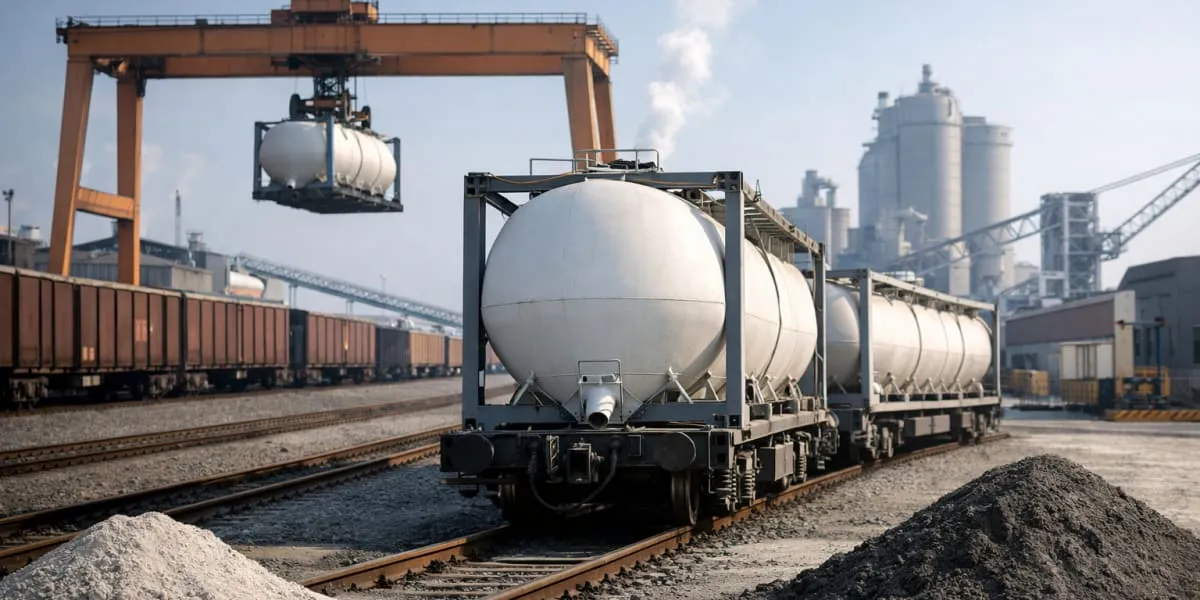
Indian Railways has recorded a 170 per cent rise in cement movement in the last four months after reforms launched in November to promote rail based bulk cement logistics. The Union Railway Minister, Ashwini Vaishnaw, reviewed the container sector reforms and their implementation and described the shift as improving plant to market efficiency. The reforms introduced customised bulk cement tank containers and a bulk cement terminal policy to support multimodal handling and door to door solutions.

The new system has simplified loading and unloading by enabling mechanised operations and by reducing package losses compared with bagged cement transport. Since cement can move directly from manufacturing centres to consumption centres in standardised tank containers compatible with Ready Mix Concrete machines, two stages of handling have been eliminated and material loss has been reduced. The standard shape of the containers facilitates faster turnaround and lowers logistics costs for suppliers and builders.

The improved freight turnaround is helping to lower the delivered cost of cement, which can ease pressure on housing costs for the poor and middle class and support affordable construction. The reform is said to be environment friendly as dust generation during material transfer has fallen and fuel consumption and emissions have reduced due to modal shift from road to rail. The Make in India tank containers are designed for seamless movement between train and trailer and to enable efficient door to door movement while cutting congestion on roads.

Building on the cement reforms, officials were urged to tap the fly ash transportation market to convert industrial waste into national wealth. The minister noted that nearly 300 million metric tonnes (mn t) of fly ash is produced in the country while only about 13 million t is transported by rail and asked officials to substantially increase Railways share to serve brick kilns, cement industries and construction sites. Wider utilisation of fly ash should reduce pollution, promote recycling and lower construction material costs while strengthening sustainable freight movement across infrastructure sectors.

Concrete

Cement Firms to Invest Rs. 130 bn in Green Energy by FY28

Cement companies plan to expand clean energy capacity to 6 GW by FY28
Published

on

By

Shares

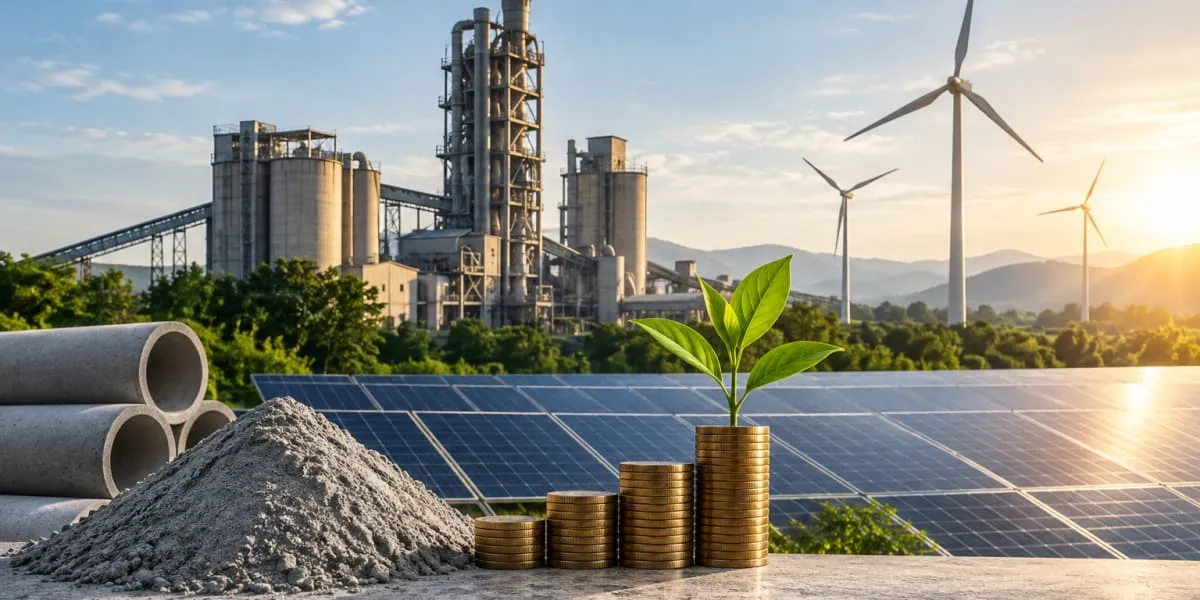
India’s major cement companies are set to raise their clean energy capacity to 6 GW by March 2028 from around 4 GW at the end of March 2026, according to ratings agency ICRA. The planned expansion is expected to involve investments of Rs. 130 bn over the next two years.

The additional capacity could generate annual savings of Rs. 62 bn to Rs. 67 bn, resulting in an estimated payback period of 1.8 to 2.2 years. Cement is an emission-intensive industry, and leading producers have established net-zero roadmaps covering the next 15 to 20 years.

The calcination process accounts for 57 to 60 per cent of the sector’s total emissions, while fuel combustion contributes 27 to 30 per cent and electricity consumption accounts for 10 to 13 per cent. ICRA said the figures highlighted the need for a broad decarbonisation strategy involving green power, blended cement, alternative fuels and improvements in clinker efficiency.

Green energy is considered one of the most commercially attractive decarbonisation options because it can reduce emissions while lowering operating costs. Every 5 per cent increase in green power replacement can reduce power and fuel costs by Rs. 15 to Rs. 16 per tonne. A 25 per cent replacement level could therefore save Rs. 75 to Rs. 80 per tonne and expand operating margins by 140 to 160 basis points.

Cement producers are also assessing carbon capture, utilisation and storage, although high implementation costs, energy requirements and limited transport and storage infrastructure are expected to slow commercial adoption. The government has proposed Rs. 200 bn over five years to support deployment across key sectors. Meanwhile, companies are targeting thermal substitution rates of 10 to 15 per cent over the next three to five years, compared with the current industry level of around 6 per cent.

Continue Reading

Concrete

Centre Defers Clearance for Limestone Mine Near Bustard Habitat

Panel seeks revised mining plan and safeguards for pipelines and wildlife
Published

on

By

Shares

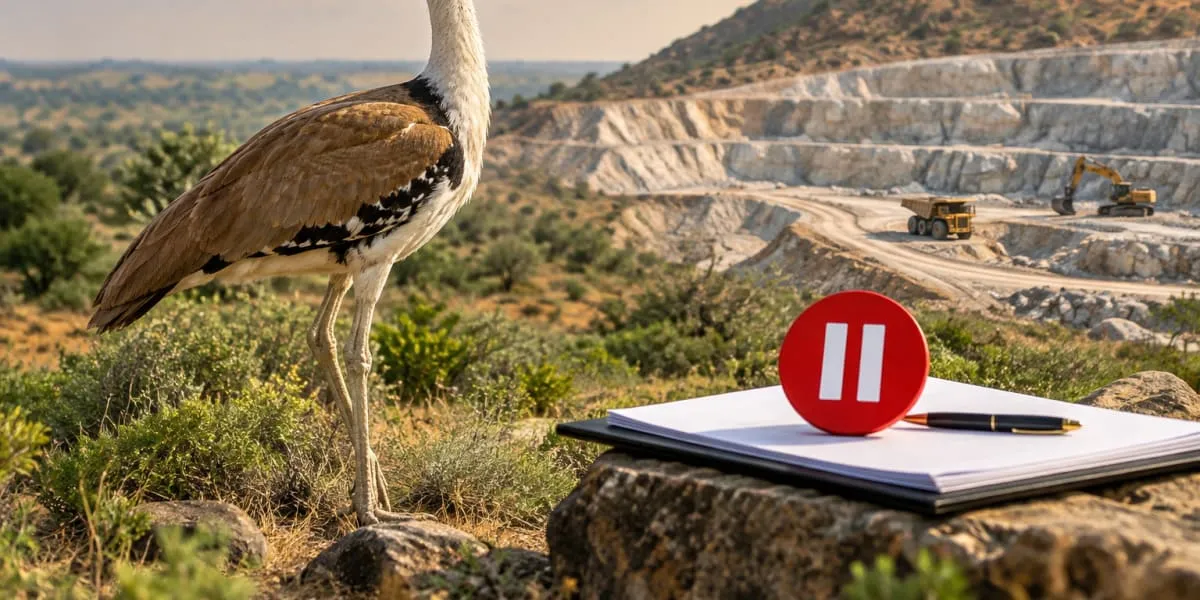
The Centre has deferred environmental clearance for a proposed limestone mine near a Great Indian Bustard habitat in Ramgarh, Rajasthan’s Jaisalmer district. The critically endangered species has an estimated wild population of about 130 in India.

Continue Reading

Concrete

Telangana to Supply Subsidised Cement for Indiramma Houses

Poor families allotted Indiramma houses to receive cement at Rs. 230 per bag
Published

on

By

Shares

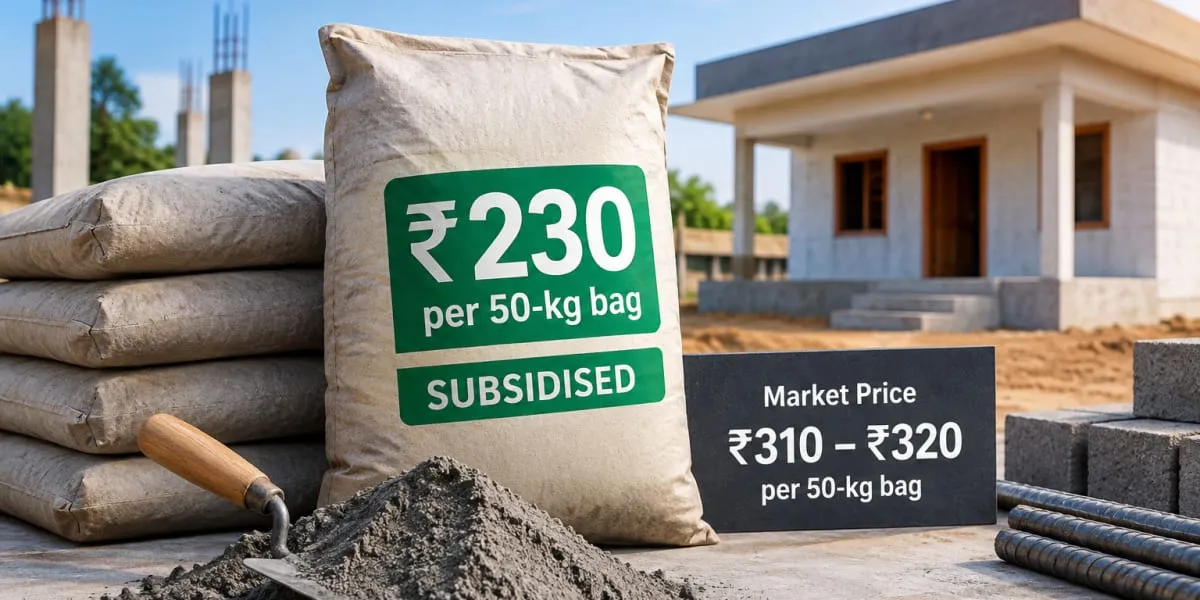
The Telangana government will supply cement at a subsidised price of Rs. 230 per 50-kg bag to poor and low-income families allotted Indiramma houses. The prevailing market price is between Rs. 310 and Rs. 320 per bag, the Assembly was informed on Thursday.

Continue Reading

Video Thumbnail

    SIGN-UP FOR OUR GENERAL NEWSLETTER

    Trending News