Connect with us

Concrete

Mumbai Metro, Monorail Told To Submit Disaster Plans

BMC orders SOPs and drills to strengthen emergency preparedness

Published

on

Shares

The Brihanmumbai Municipal Corporation (BMC) has directed Mumbai’s monorail and metro operators to submit detailed emergency management plans and Standard Operating Procedures (SOPs) for review, as part of efforts to bolster the city’s overall disaster preparedness framework.

The directive was issued during a meeting of civic authorities responsible for disaster management, held at the BMC headquarters on Wednesday. The session was convened to assess Mumbai’s emergency response mechanisms following the monorail breakdown near Bhakti Park, Chembur, on 19 August, which left several passengers stranded for hours due to a technical malfunction.

Dr Vipin Sharma, Chairperson of the Mumbai Suburban District Disaster Management Authority and Additional Municipal Commissioner (Western Suburbs), emphasised that the city’s monorail and metro systems must be integrated comprehensively into Mumbai’s emergency management strategy. He noted that these rapidly expanding networks require independent consideration given their critical role in public mobility.

Dr Ashwini Joshi, Chairperson of the Mumbai City District Disaster Management Authority and Additional Municipal Commissioner (City), instructed that mock drills be held regularly at all metro and monorail stations to assess and enhance emergency response capabilities.

Meanwhile, Dr Amit Saini, Additional Municipal Commissioner (Eastern Suburbs), said the session was aimed at reviewing coordination and readiness among key agencies in light of Mumbai’s expanding transport infrastructure. He stressed the importance of inter-agency collaboration to ensure rapid and efficient response during emergencies.

Professor Dr Ravi Sinha from the Indian Institute of Technology (IIT) Bombay commended the coordinated handling of the August 19 monorail incident, which involved the BMC’s disaster management department, Mumbai Fire Brigade, and other civic response teams.

Officials concluded that strengthening communication channels, training exercises, and real-time coordination between agencies would be central to improving the city’s ability to respond swiftly to future incidents involving its transport systems.

Concrete

Cement Firms to Invest Rs. 130 bn in Green Energy by FY28

Cement companies plan to expand clean energy capacity to 6 GW by FY28
Published

on

By

Shares

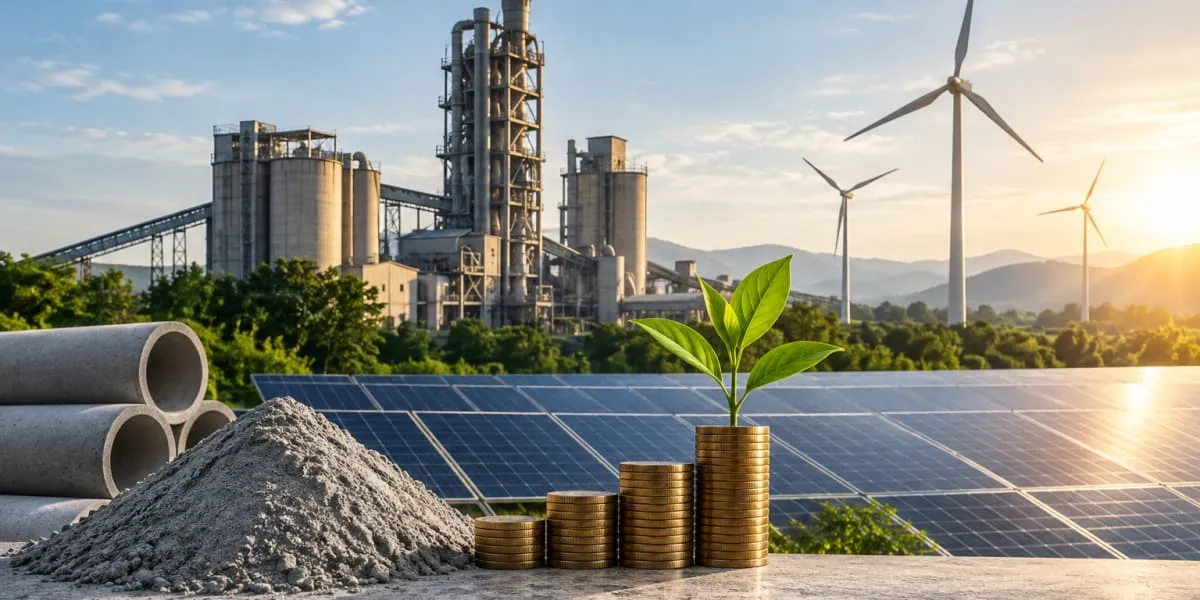
India’s major cement companies are set to raise their clean energy capacity to 6 GW by March 2028 from around 4 GW at the end of March 2026, according to ratings agency ICRA. The planned expansion is expected to involve investments of Rs. 130 bn over the next two years.

The additional capacity could generate annual savings of Rs. 62 bn to Rs. 67 bn, resulting in an estimated payback period of 1.8 to 2.2 years. Cement is an emission-intensive industry, and leading producers have established net-zero roadmaps covering the next 15 to 20 years.

The calcination process accounts for 57 to 60 per cent of the sector’s total emissions, while fuel combustion contributes 27 to 30 per cent and electricity consumption accounts for 10 to 13 per cent. ICRA said the figures highlighted the need for a broad decarbonisation strategy involving green power, blended cement, alternative fuels and improvements in clinker efficiency.

Green energy is considered one of the most commercially attractive decarbonisation options because it can reduce emissions while lowering operating costs. Every 5 per cent increase in green power replacement can reduce power and fuel costs by Rs. 15 to Rs. 16 per tonne. A 25 per cent replacement level could therefore save Rs. 75 to Rs. 80 per tonne and expand operating margins by 140 to 160 basis points.

Cement producers are also assessing carbon capture, utilisation and storage, although high implementation costs, energy requirements and limited transport and storage infrastructure are expected to slow commercial adoption. The government has proposed Rs. 200 bn over five years to support deployment across key sectors. Meanwhile, companies are targeting thermal substitution rates of 10 to 15 per cent over the next three to five years, compared with the current industry level of around 6 per cent.

Continue Reading

Concrete

Centre Defers Clearance for Limestone Mine Near Bustard Habitat

Panel seeks revised mining plan and safeguards for pipelines and wildlife
Published

on

By

Shares

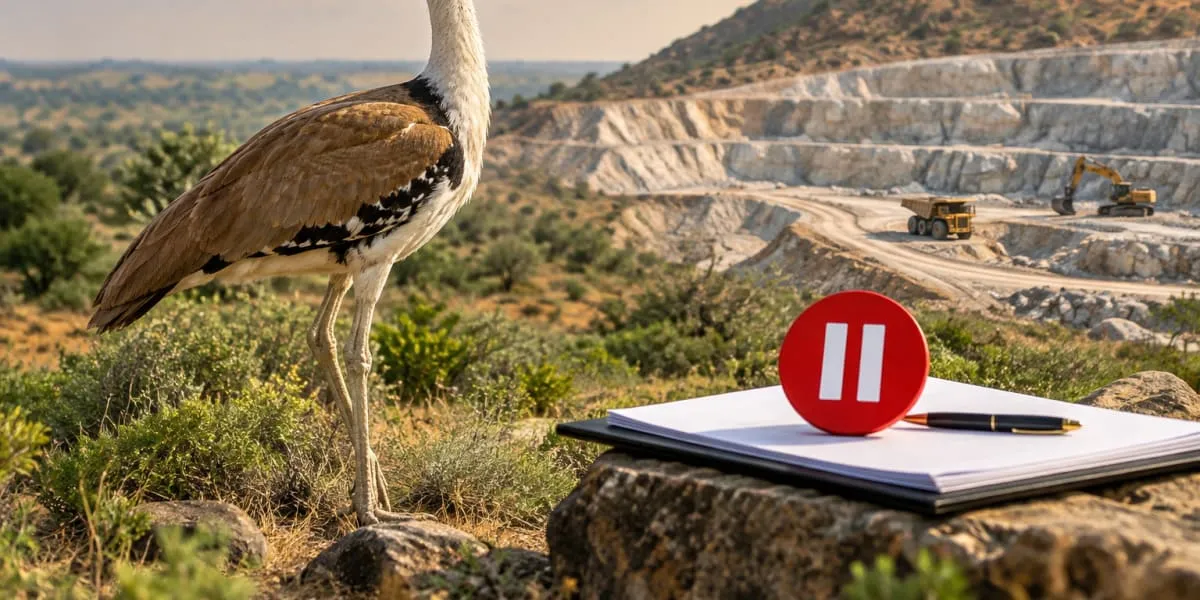
The Centre has deferred environmental clearance for a proposed limestone mine near a Great Indian Bustard habitat in Ramgarh, Rajasthan’s Jaisalmer district. The critically endangered species has an estimated wild population of about 130 in India.

Continue Reading

Concrete

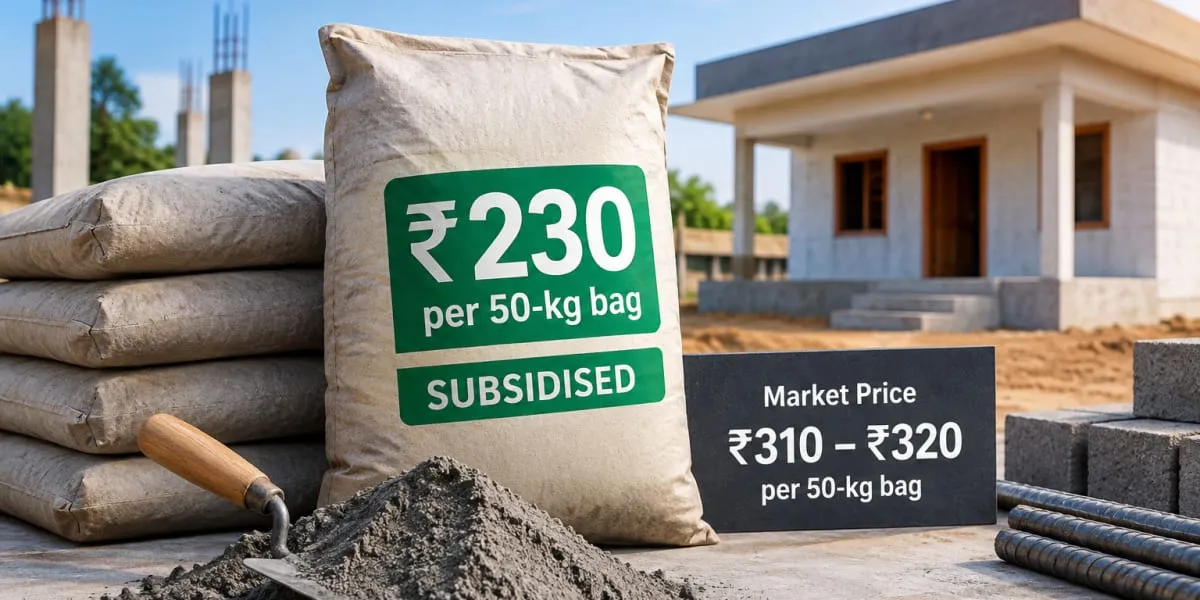
Telangana to Supply Subsidised Cement for Indiramma Houses

Poor families allotted Indiramma houses to receive cement at Rs. 230 per bag
Published

on

By

Shares

The Telangana government will supply cement at a subsidised price of Rs. 230 per 50-kg bag to poor and low-income families allotted Indiramma houses. The prevailing market price is between Rs. 310 and Rs. 320 per bag, the Assembly was informed on Thursday.

Continue Reading

Video Thumbnail
â–

    SIGN-UP FOR OUR GENERAL NEWSLETTER

    Trending News

    SUBSCRIBE TO THE NEWSLETTER


    Don't miss out on valuable insights and opportunities to connect with like minded professionals.


      This will close in 0 seconds