Economy & Market
Double Tap to Go Green

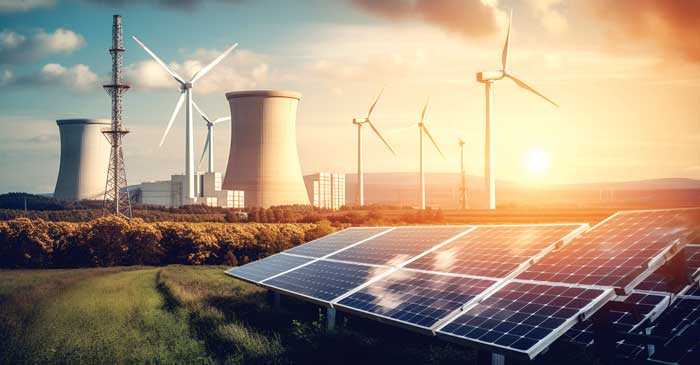
Appropriate sourcing of alternative fuels and raw materials (AFR) has long since been a bone of contention in the cement industry. As net-zero emission becomes a concrete target, every stakeholder in the cement supply chain is exploring green substitutes. Indian Cement Review discovers how collaborative efforts with other industries and innovators is proving to be a boon for the Indian cement sector.
Cement manufacturing is a major contributor to global environmental challenges, primarily due to its significant carbon dioxide (CO2) emissions. The production process is inherently carbon-intensive, involving several stages that each contribute to the overall environmental impact. The primary chemical reaction in cement production is the calcination of limestone (calcium carbonate), which produces lime (calcium oxide) and CO2.
This process alone is responsible for approximately 60 per cent of the total CO2 emissions from cement production. Additionally, high temperatures (around 1450°C) are required in the kilns to facilitate the chemical reactions necessary for clinker formation. This heat is traditionally generated by burning fossil fuels such as coal, petroleum coke, and natural gas, contributing around 30-40 per cent of the CO2 emissions.
At present, the installed capacity of cement in India is 500 MTPA with production of 298 million tonnes per annum. Majority of the cement plants installed capacity (about 35 per cent) is located in the states of south India. In PAT scheme, total installed capacity of cement in India is 325 MTPA, which contributes to 65 per cent coverage of total installed capacity in India. With the increase in growth of infrastructure, the cement production in India is expected to be 800 million tonnes by 2030, according to the Bureau of Energy Efficiency, India.
Moreover, cement manufacturing is energy-intensive, and significant amounts of electricity are consumed during the grinding of raw materials and clinker, as well as in other processes. If the electricity comes from fossil fuel-based sources, it adds to the CO2 footprint. Emissions are also generated from the transportation of raw materials to the plant and the distribution of finished cement products, further contributing to the industry’s overall carbon footprint.
In addition to CO2 emissions, cement plants emit dust and particulate matter, which can cause respiratory problems and other health issues for nearby communities. The combustion process releases nitrogen oxides (NOx) and sulphur oxides (SOx), which contribute to air pollution and acid rain. Large quantities of natural resources, including limestone, clay, and other materials, are extracted, leading to landscape alteration and ecosystem disruption.
According to the World Economic Forum report ‘Net-Zero Industry Tracker 2023’, absolute CO2 emissions declined by less than 1 per cent over the last four years amid increases in global production. Emissions intensity remained static over the same time period despite a 9 per cent rise in the clinker-to-cement ratio. The average ratio is currently
72 per cent, while the proposed GCCA target is 56 per cent. The twin forces of urbanisation and population growth are driving cement consumption in China (51 per cent global demand) and India (9 per cent global demand), which necessitates accelerated action to decarbonise the sector to mitigate the impacts of increased production.
To address these environmental challenges, the cement industry is exploring several mitigation strategies. Utilising biomass, waste-derived fuels, and other renewable energy sources can reduce reliance on fossil fuels and lower CO2 emissions. Incorporating industrial by-products like fly ash and slag can reduce the amount of clinker needed, thereby cutting emissions. Advances in kiln efficiency, carbon capture and storage (CCS), and the development of low-carbon cements are crucial in reducing the industry’s carbon footprint. Implementing energy-efficient practices and technologies throughout the production process can significantly lower overall emissions.
The Ministry of Statistics and Programme Implementation states that there is a high potential for generation of renewable energy from various sources like wind, solar, biomass, small hydro and cogeneration bagasse in India. The total potential for renewable power generation in the country as on 31.03.2023 is estimated at 2,109,654 MW This includes solar power potential of 7,48,990 MW (35.50 per cent), wind power potential of 1,163,856 MW (55.17 per cent) at 150m hub height, large hydro power of 133,410MW (6.32 per cent), SHP (small-hydro power) potential of 21,134 MW (1 per cent), Biomass power of 28,447 MW (1.35 per cent) and 13,818 MW (0.66 per cent) from bagasse-based cogeneration in sugar mills.
AFR – Need of the hour
The urgency of reducing the carbon footprint in cement manufacturing has become a pressing issue due to the industry’s significant contribution to global CO2 emissions. As the world strives to meet climate goals and mitigate the impacts of climate change, there is an increasing demand for more sustainable practices within all sectors, including cement production.
According to an article in the International Journal of Sustainable Engineering, Volume 14, 2021, In 2017, China and India, the world’s biggest producers, together produced 64 per cent of the world’s cement, or 2.61 million tonnes of cement out of 4.05 million tonnes. In 2018, these countries together estimated production of 2.66 million tonnes of the total 4.10 million tonnes, or 65 per cent of the world’s total. In the Middle East, Saudi Arabia, the region’s major cement producer, manufactured 0.47 and 0.45 million tons for 2017 and 2018, respectively. In comparison, in the same years, the United States produced 0.86 and 0.88 million tonnes of cement.
Economic and regulatory pressures further drive the need for alternative fuels and raw materials. Governments and international bodies are implementing stricter environmental regulations and carbon pricing mechanisms to curb greenhouse gas emissions. These policies create financial incentives for companies to reduce their carbon footprint and penalise those that fail to comply. Additionally, consumers and investors are becoming more environmentally conscious, favouring companies that adopt sustainable practices.
Adopting alternative fuels and raw materials offers numerous benefits for the cement industry. Utilising waste-derived fuels and industrial by-products can lower production costs by reducing reliance on expensive fossil fuels and virgin raw materials. This shift not only helps in minimising environmental impact but also supports the circular economy by recycling waste materials. Furthermore, improving energy efficiency and incorporating innovative technologies can enhance the overall competitiveness of cement manufacturers by reducing operational costs and future-proofing against potential regulatory changes.
Anirudh Dani, Manufacturing Head – White Cement Division, JK Cement, states,“Safety and quality are key for co-processing of AFR. We have implemented various key safety initiatives specifically for the handling, storage, feeding, and operational processes related to AFR. We ensure the quality and safety of alternative fuels and raw materials by conducting thorough assessments, adhering to strict handling protocols, providing comprehensive
staff training, and implementing regular monitoring and testing throughout the production process.
We have created dedicated storage with all safety measures to store the AFRs with relevant environmental compliances.”
He adds, “For all AFR, we conduct a comprehensive analysis that includes calorific value, chloride content, proximate and ultimate analysis, major and minor oxides, and heavy metals. To ensure safety, we also perform compatibility tests and flash point analysis. Additionally, for all liquid AFRs, we measure pH and viscosity.”
Technological innovations
Tushar Khandhadia, Senior General Manager – Production, Udaipur Cement Works Limited (UCWL), says, “In general, 65 per cent of CO2 generated during clinker formation is through process emission, which comes from the calcination of limestone and 35 per cent is through burning of fuel. The AFR contributes to reducing the CO2 emitted from fuel combustion. Generally, at every 1 per cent increase in TSR, there is reduction of around 2kg CO2/T of clinker. As there is no substitute to the limestone for the clinker formation, increasing the TSR in clinker formation is the only option to reduce CO2 emission during clinker formation.”

Technological innovations and advanced processes play a crucial role in reducing the environmental impact of cement manufacturing. One key area of progress is advances in kiln technology and fuel efficiency. Modern kilns are designed to operate at higher efficiencies, reducing the amount of fuel required to produce clinker. Innovations such as pre-calciner technology and improved heat recovery systems contribute significantly to lowering energy consumption and CO2 emissions. Additionally, alternative fuels, such as biomass and waste-derived fuels, can be utilised more effectively in these advanced kiln systems.
Carbon capture and storage (CCS) and utilisation (CCU) technologies represent another major technological advancement. CCS involves capturing CO2 emissions from cement plants and storing them underground to prevent their release into the atmosphere. CCU goes a step further by finding ways to use captured CO2 in industrial processes, turning it into useful products like synthetic fuels or construction materials. These technologies have
the potential to drastically reduce the carbon footprint of cement manufacturing, making it a more sustainable industry.
Jigyasa Kishore, Vice President – Enterprise Sales and Solutions, Moglix, says, “Green procurement directly tackles environmental challenges by minimising resource depletion, lowering carbon emissions and protecting ecosystems. Choosing energy-efficient equipment, recycled materials and local suppliers all contribute to a smaller ecological footprint for the business.”
“Green procurement goes beyond the initial purchase. It considers the environmental impact of a product or service throughout its entire life cycle, from raw material extraction and production to use and disposal. Choosing products with recycled content, low energy consumption and easy end-of-life disassembly or recycling options is imperative to make sure that sustainability is built into the entire product journey rather than just the initial stage. Evaluation tools such as Life cycle sustainability assessment (LCSA) can help assess a product’s environmental, social and economic impacts through out its life cycle, from raw materials to disposal,” she adds.
The development of low-clinker and low-carbon cements is also a significant area of innovation. Traditional Portland cement relies heavily on clinker, whose production is highly carbon-intensive. By reducing the clinker content and incorporating alternative materials such as fly ash, slag and pozzolans, manufacturers can produce cements with a much lower environmental impact. Additionally, new formulations of low-carbon cements are being developed that minimise CO2 emissions during production and enhance the durability and performance of concrete.
Implications of AFR
The use of alternative fuels and raw materials in cement manufacturing has significant implications for productivity, cost efficiency, and financial viability. These alternatives can enhance the overall sustainability and economic performance of cement plants.
Radhika Choudary, Co-Founder, Freyr Energy, says, “The average operational expenses towards electricity and fuel for the cement industry ranges between 20 per cent to 30 per cent. By transitioning to solar energy, companies can notably slash these expenses, fostering improved cash flows while demonstrating environmental responsibility. Our customers, who have chosen to go solar, have not only enhanced financial viability but also earned accolades from customers for sustainable practices Commercial and industrial customers can have an ROI of 35 per cent to 40 per cent on their solar asset investment, which means a breakeven period of less than three years, which can be further expedited by leveraging tax benefits. Overall, our energy solutions not only reduce manufacturing costs but also bolster sustainability efforts, leading to enhanced profitability and market competitiveness for our clients.”
Cost efficiency
Alternative fuels and raw materials often come with cost advantages. Waste-derived fuels and industrial by-products are typically less expensive than traditional fossil fuels and virgin raw materials. By reducing reliance on costly conventional fuels, cement plants can achieve substantial savings in fuel expenses. Moreover, utilising local waste materials can lower transportation costs and reduce supply chain disruptions. Enhanced energy efficiency and optimised resource use further contribute to reducing operational costs, making the overall production process more cost-effective.
Economic viability
The financial viability of cement manufacturing is strengthened through the adoption of alternative fuels and raw materials. By diversifying energy and material sources, plants can mitigate the risks associated with price volatility in fossil fuels and raw materials markets. Additionally, many governments offer incentives, subsidies and tax benefits for adopting sustainable practices, which can improve the financial performance of cement plants. Investments in technologies that facilitate the use of alternative fuels and raw materials can yield long-term returns by enhancing competitiveness, reducing environmental compliance costs, and positioning the company as a leader in sustainability.
The use of alternative fuels and raw materials in cement manufacturing enhances productivity, cost efficiency and financial viability. By leveraging these alternatives, cement plants can achieve better operational performance, lower production costs and secure a sustainable economic future.
Conclusion
Incorporating alternative fuels and raw materials in cement manufacturing offers significant benefits in terms of productivity, cost efficiency, and financial viability. Advances in kiln technology and process optimisations enable the efficient use of alternative fuels without compromising product quality, enhancing overall productivity. These improvements not only enhance the economic performance of cement plants but also contribute to a more sustainable and environmentally responsible industry. As the cement industry continues to innovate and embrace these alternatives, it moves closer to achieving long-term sustainability and reduced carbon footprints, ensuring a resilient and economically viable future.
– Kanika Mathur











SEEPEX introduces BN pumps with Smart Joint Access (SJA) to improve efficiency, reliability, and inspection speed in demanding rock blasting operations.
Designed for abrasive and chemical media, the solution supports precise dosing, reduced downtime, and enhanced operational safety.
SEEPEX has introduced BN pumps with Smart Joint Access (SJA), engineered for the reliable and precise transfer of abrasive, corrosive, and chemical media in mining and construction. Designed for rock blasting, the pump features a large inspection opening for quick joint checks, a compact footprint for mobile or skid-mounted installations, and flexible drive and material options for consistent performance and uptime.
“Operators can inspect joints quickly and rely on precise pumping of shear-sensitive and abrasive emulsions,” said Magalie Levray, Global Business Development Manager Mining at SEEPEX. “This is particularly critical in rock blasting, where every borehole counts for productivity.” Industry Context
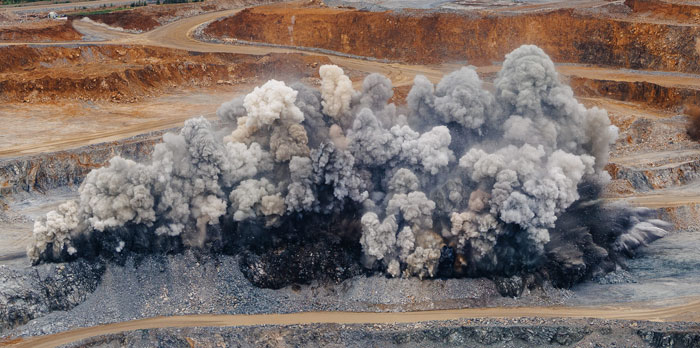
Rock blasting is essential for extracting hard rock and shaping safe excavation profiles in mining and construction. Accurate and consistent loading of explosive emulsions ensures controlled fragmentation, protects personnel, and maximizes productivity. Even minor deviations in pumping can cause delays or reduce product quality. BN pumps with SJA support routine maintenance and pre-operation checks by allowing fast verification of joint integrity, enabling more efficient operations.
Always Inspection Ready
Smart Joint Access is designed for inspection-friendly operations. The large inspection opening in the suction housing provides direct access to both joints, enabling rapid pre-operation checks while maintaining high operational reliability. Technicians can assess joint condition quickly, supporting continuous, reliable operation.
Key Features
- Compact Footprint: Fits truck-mounted mobile units, skid-mounted systems, and factory installations.
- Flexible Drive Options: Compact hydraulic drive or electric drive configurations.
- Hydraulic Efficiency: Low-displacement design reduces oil requirements and supports low total cost of ownership.
- Equal Wall Stator Design: Ensures high-pressure performance in a compact footprint.
- Material Flexibility: Stainless steel or steel housings, chrome-plated rotors, and stators in NBR, EPDM, or FKM.
Operators benefit from shorter inspection cycles, reliable dosing, seamless integration, and fast delivery through framework agreements, helping to maintain uptime in critical rock blasting processes.
Applications – Optimized for Rock Blasting
BN pumps with SJA are designed for mining, tunneling, quarrying, civil works, dam construction, and other sectors requiring precise handling of abrasive or chemical media. They provide robust performance while enabling fast, reliable inspection and maintenance.With SJA, operators can quickly access both joints without disassembly, ensuring emulsions are transferred accurately and consistently. This reduces downtime, preserves product integrity, and supports uniform dosing across multiple bore holes.
With the Smart Joint Access inspection opening, operators can quickly access and assess the condition of both joints without disassembly, enabling immediate verification of pump readiness prior to blast hole loading. This allows operators to confirm that emulsions are transferred accurately and consistently, protecting personnel, minimizing product degradation, and maintaining uniform dosing across multiple bore holes.
The combination of equal wall stator design, compact integration, flexible drives, and progressive cavity pump technology ensures continuous, reliable operation even in space-limited, high-pressure environments.
From Inspection to Operation
A leading explosives provider implemented BN pumps with SJA in open pit and underground operations. By replacing legacy pumps, inspection cycles were significantly shortened, allowing crews to complete pre-operation checks and return mobile units to productive work faster. Direct joint access through SJA enabled immediate verification, consistent emulsion dosing, and reduced downtime caused by joint-related deviations.
“The inspection opening gives immediate confidence that each joint is secure before proceeding to bore holes,” said a site technician. “It allows us to act quickly, keeping blasting schedules on track.”
Framework agreements ensured rapid pump supply and minimal downtime, supporting multi-site operations across continents




NDMC Rolls Out Intensive Sanitation Drive Across Lutyens Delhi

UltraTech Appoints Jayant Dua As MD-Designate For 2027

Merlin Prime Spaces Acquires 13,185 Sq M Land Parcel In Pune

Adani Cement and Naredco Partner to Promote Sustainable Construction

Operational Excellence Redefined!
NDMC Rolls Out Intensive Sanitation Drive Across Lutyens Delhi
UltraTech Appoints Jayant Dua As MD-Designate For 2027
Merlin Prime Spaces Acquires 13,185 Sq M Land Parcel In Pune
Adani Cement and Naredco Partner to Promote Sustainable Construction