

Technology
Safety Matters

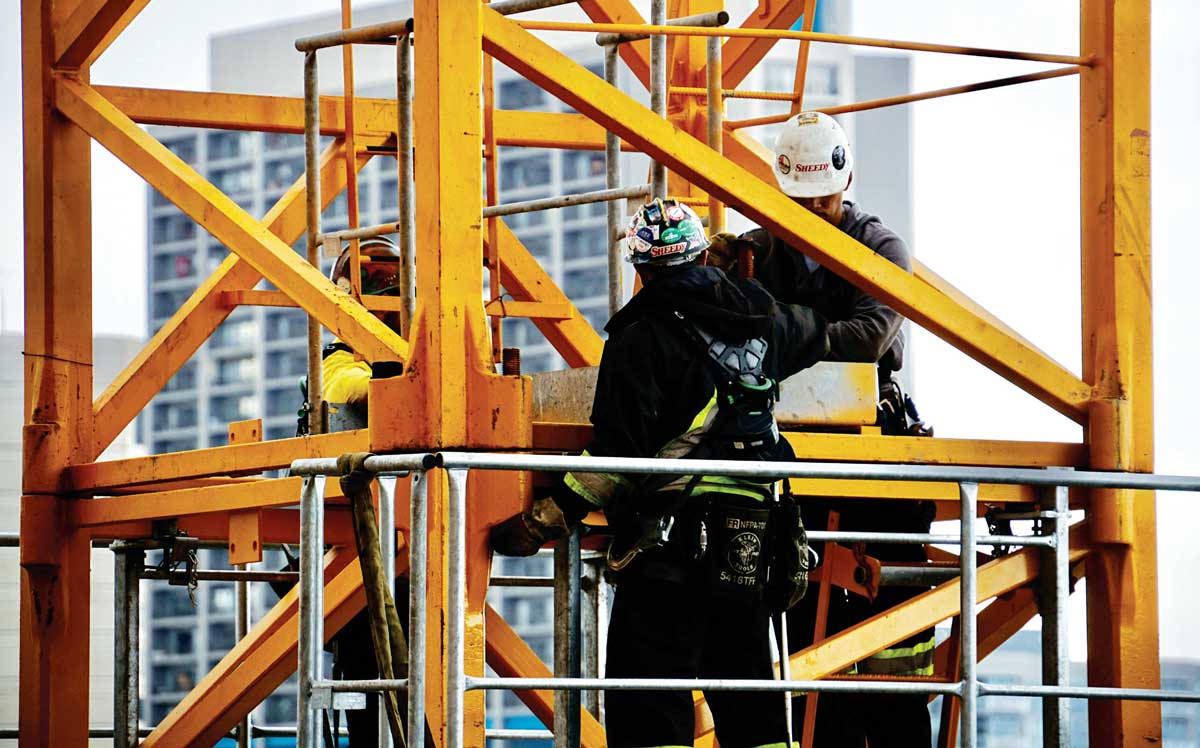
Stringent safety protocols, strict adherence to safety norms and mandatory audits and risk assessments are required to make the cement manufacturing process less hazardous and accident-prone. ICR looks at the various measures that companies are implementing in order to remain on top of the safety game.
The oil and gas industries of the world have witnessed catastrophic blasts and hazards at their plants. Safety is always a matter of concern and conversation in the said industries. The cement industry, though less volatile when compared to the oil and gas industry, is also adept to hazardous working conditions, and safety is of paramount importance at the cement plants as well.
Cement is one of the most widely used substances in the world. It has the second highest consumption worldwide after water, studies have noted. Making this high demand product is labour- and resource-intensive and this has an impact on the environment as well as the health and safety of those involved in the process. The process of making cement begins at the mining site and ends when the product is packaged and loaded in trucks to move out of the plant. Safety in operations and for personnel must be looked after at each step in the process.
Health and safety at a cement plant is a two-way street. It is the organisation’s responsibility to create a workplace environment in order to protect their employees from the various risks. It is also the duty of every personnel to adhere to the safety rules and compliances ensued by the organisation. To streamline this and to look after the safety of the plant, specific experts and departments are set in place. Audits are also conducted from time to time to understand the maintenance and adherence to safety standards and best practices at cement plants.
Risk Assessment
Cement making is a continuous process. Right from the excavation of raw material to the movement of finished goods, safety concerns arise at each point in practice.
Quarrying involves extraction of limestone by the process of drilling, blasting and extracting. This large stone is then transported to a crusher that breaks it down into smaller pieces which make it easier to prepare the raw mix. During this process, workmen are exposed to dust, noise and movement of heavy equipment and vehicles. Each touchpoint has potential hazards.
Once the raw mix is fed to the kiln, the chemical reaction begins with the help of heat, which is primarily achieved from coal. These plants are huge and the feeding process is automated, however, working in such a high temperature zone can be a potential cause of a hazard due to negligence or human error.
At the end of the cement making process, the final product is loaded in trucks. This is done manually. Multiple accidents can take place at this point as well. From loading vehicles harming the labour to the workmen tripping or falling, hazards can occur at any point.
These are the major areas of concern every organisation must keep a lookout for. Besides the physical accidents or hazards, health of the employees and workers is of primary concern for the organisation. Coming in contact with pollutants or particles may cause respiratory or skin issues, while the noise may cause hearing damage.
According to a Risk Assessment Report published by Ultratech Cement, the cement industry experiences risk of several hazards inherent to the cement production process that mainly impact those working within the industry. Some health hazards can also create an impact on local communities. The potentially hazardous areas and the likely incidents with the concerned area have been enlisted below in Table – 1.
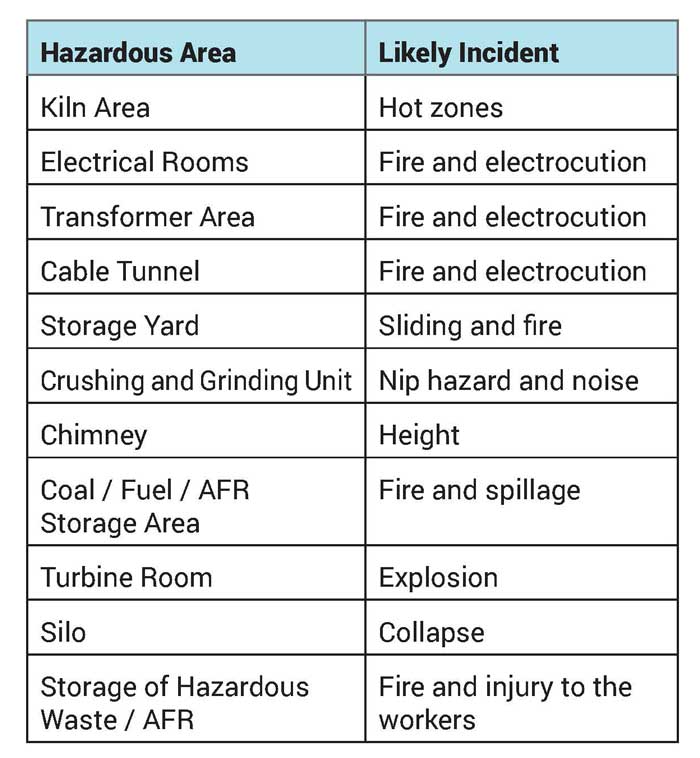
The International Research Journal of Engineering and Technology (IRJET) Volume 4 describes major hazards being an associated term with material, which is a measure or the likelihood of the human working with or studying the material in question.
All the probable potential hazards are classified under different heads, namely:
• Fire hazards
• Toxic gas release hazards
• Explosion hazards
• Corrosion hazards
Fire is dangerous if it occurs in an uncontrolled manner. It is important to understand in a plant environment that use of liquid with its flash point below the normal ambient temperature, in suitable circumstances could liberate enough vapours to give rise to flammable mixtures with air. Thus, causing a fire hazard in the cement plant.
Toxic hazards are caused by ingestion, absorption and inhalation of toxic substances that may be released in the open environment due to a glitch or imperfection in the equipment. These toxins could enter the human body and cause irritation or inflammation.
Corrosion hazards take place when chemicals or other corrosive materials touch the surface of equipment, thus, deteriorating their strength and performance which may lead to accidents or harm to the plant and those working there.
Uncontrolled release or capture of energy leads to explosion hazards. This can be very dangerous for those around the same.
In addition to specific hazards, there are also general hazards in all of the cement manufacturing processes such as safe behaviour, work equipment, safety labelling, personal protective equipment (PPE), manual load handling (TRIA Project) etc.
the cement industry, for its employees, contractors and
end-users.
Health Hazards
Respiratory health has a long history within the cement industry, and it is a topic of consistent focus. Cement manufacturing is multifaceted, and companies formulate, implement and periodically evaluate respiratory protection among employees to guard against dust exposures. Cement plants consider all other conditions affecting miners’ health, such as exposure to excessive noise and hazardous materials. Hearing conservation programmes require baseline audio testing and subsequent tests.
Dust emissions are one of the most significant impacts of cement manufacturing and associated with handling and storage of raw materials (including crushing and grinding of raw materials), solid fuels, transportation of materials (e.g., by trucks or conveyor belts), kiln systems, clinker coolers, and mills, including clinker and limestone burning and packaging/bagging activities. Packaging is the most polluting process (in terms of dust) in cement production. Nitrogen oxide (NOx) emissions are emitted from the high temperature combustion process of the cement kiln. Carbon dioxide defined as greenhouse gas is mainly associated with fuel combustion and with the decarbonation of limestone. These can be the reasons for causing respiratory or other health disorders.
Safety Needs Good Practices
As much as it is the responsibility of the organisation to ensure the safety of its employees, staff and workmen, it is equally their responsibility as well to be aware, alert and follow rules and regulations for their safety and for others safety as well. Audits are a key to maintaining good plant safety and understanding the gaps that may occur at the cement plant or unit.
Kanishk Khanna, CEO, Elion Technologies and Consulting, says, “In general, it is a good practice to conduct safety audits at least once a year, but some companies may choose to conduct them more frequently. Cement plants possess multiple hazards so it is also important to conduct safety audits following any significant changes to the facility or its operations, such as new equipment or processes or after any incidents or accidents. Annual Safety Audits are also mandatory as per factory rules. For these audits, the rules vary from state to state.”
The cement manufacturing industry is labour intensive and uses large scale and potentially hazardous manufacturing processes. Therefore, health and safety is the number one priority for the cement industry for its employees, contractors, end-users and all those associated with the workings of the cement manufacturing process.
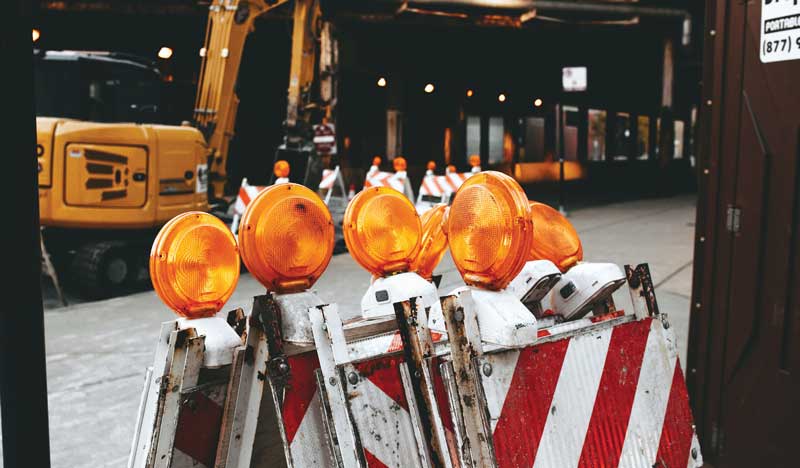
Exposure to dust and high temperatures, contact with allergic substances, and noise exposure can be defined as hazards associated with health; while falling / impact with objects; hot surface burns; and transportation, working at height, slip/trips/falls can be defined as hazards associated with safety. It is a critical issue that ensures a health and safety culture in workplaces.
For this purpose, health and safety policy should be adapted with other policies of the company. Additionally, the risk management policy of the company should be developed and risk assessment should be performed regularly and efficiently.
“At UCWL, we have well planned, systematically designed safety guidelines/ standards for safety in our organisation. We have consequence management standards for employees / workers who do not follow safety or break any safety rules and guidelines at the workplace and penalties are imposed. Here, we have comprehensive safety guidelines in our
plant for achieving our vision ‘Zero Harm.’ These guidelines keep employees safe and protect their well-being,” says Nirmal K Jain, Safety Head, JK Lakshmi Cement.
“By following the safety guidelines employees can perform their jobs more effectively and confidently without fear of being injured or suffering from an illness. We have separate safety guidelines for road safety, lifting safety, working at height, hot work, confined space working, covid-19 etc.,” he adds.
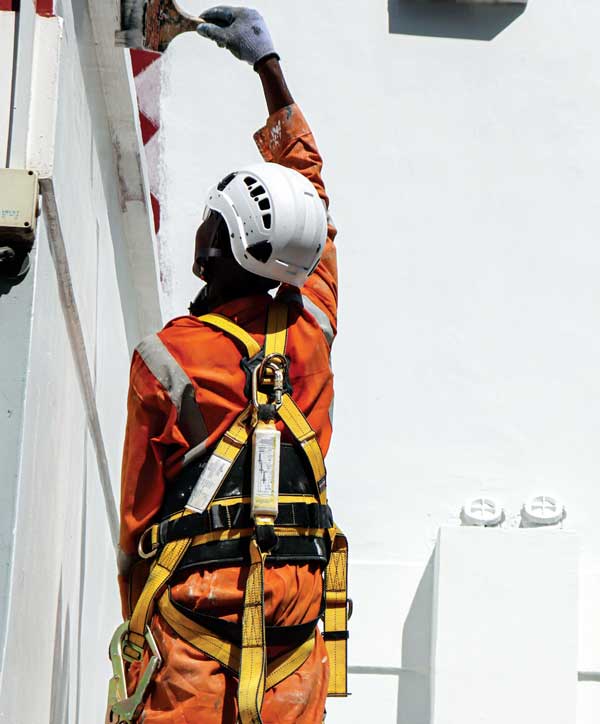
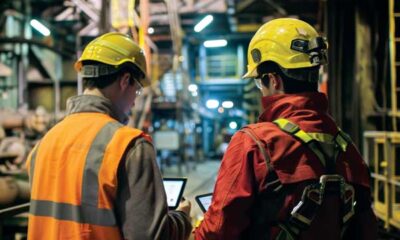
harness, helmet etc. are part of basic safety rules at
Indian cement plants.
The objective of the safety managers of the organisation as well as every individual should be to maintain the utmost responsible approach towards the safety of self, fellow workmen and the plant as a whole.
Basic safety rules to be followed in a cement plant are as follows:
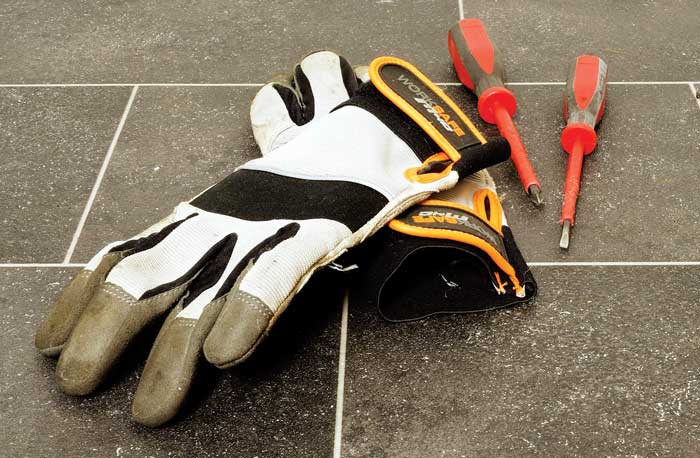
• Wearing job specific personal protective equipment. Some processes may require a basic PPE
while some may require additions like earplugs, gloves etc.
• Ensuring all guards are in place before starting a process. Machines have safety guards or valves which must be in place before operating them. Any alteration done to the guards would require written permission from authorised personnel.
• Regular inspections of machinery health and safety standards. This would involve checking for any kind of cracks, leaks, unlocked
guards, safety equipment, personal protective equipment etc.
• Using fall protections when working on heights like harness, helmet etc.
• Masks and shields for confined spaces and activities involving dust or fumes
• Any kind of distractions like mobile phones
are discouraged to be used in the plant while performing high risk activities or processes in the cement plant.
Manufacturers of safety equipment for the cement, Hemanshu Hashia, Country Head, Safety Joggers India says, “In India, typically safety equipment manufacturers have been following only one standard of norms for their quality tests. However, the times have changed and globally the demand is for all standard certifications in one product. Therefore, we are also educating the users of safety equipment in India to ask for global quality standard norms and are making it available for them at the same price.”
Safety in the Technology Era
Digitalisation of plants, its machinery and functions has not only positively impacted the efficiency and productivity of cement manufacturing, but has also contributed towards making plants safer.
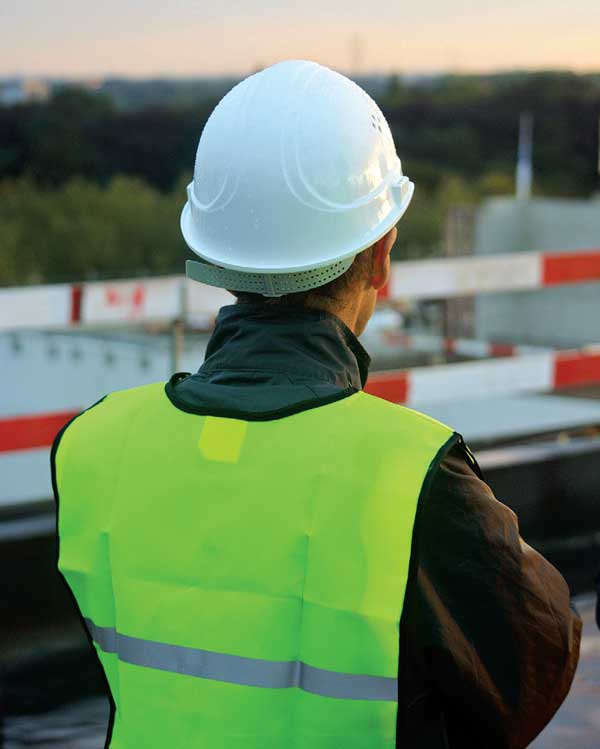
to the protocol and safety standards
Cement manufacturers are moving towards installation of monitoring equipment and softwares at maximum machineries for every process which helps them monitor functions in real time as well as understand indicators and preventive maintenance signals. Once such signals are noticed, action can be taken in time to prevent a breakdown of any function, which may lead to a certain hazard in the cement plant.
Similarly, automation in processes has reduced manual intervention in the functionality of cement manufacturing, thus, making machines work on the more difficult and risky tasks that were earlier performed by workmen or skilled personnel. Thus, avoiding accidents and hazards in the plant.
Technology is also enabling tracking and maintenance of protective gear in the plant. It allows those responsible for sourcing and restocking of the PPE to call for required gear when they are running down on inventory. It also allows them to monitor feedback and function of this gear as well as keep track of every person wearing the gear and working in the plant.
Conclusion
Safety is a matter of life and death in industries like cement where plants function with heat, pressure and combustible matter. Thus, it becomes important for organisations to have concrete guidelines in place for their employees and workmen and have all standards and protocols followed for the functions of the plant. Protective gear or function specific PPE should be always available for those who have to perform tasks in the plant.
Organisations should provide training at all levels of working professionals to educate them on the safety measures and protocol. These training should be revised and repeated at regular intervals for old employees and be a part of orientation and induction for new employees and workers. In case of negligence, there should be strict punishment for not following safety protocols.
Accidents not only cost money, but lives, too.
-Kanika Mathur







Jignesh Kundaria, Director and CEO, Fornnax Technology
India is simultaneously grappling with two crises: a mounting waste emergency and an urgent need to decarbonise its most carbon-intensive industries. The cement sector, the second-largest in the world and the backbone of the nation’s infrastructure ambitions, sits at the centre of both. It consumes enormous quantities of fossil fuel, and it has the technical capacity to consume something else entirely: the waste our cities cannot get rid of.
According to CPCB and NITI Aayog projections, India generates approximately 62.4 million tonnes of municipal solid waste annually, with that figure expected to reach 165 million tonnes by 2030. Much of this waste is energy-rich and non-recyclable. At the same time, cement kilns operate at material temperatures of approximately 1,450 degrees Celsius, with gas temperatures reaching 2,000 degrees. This high-temperature environment is ideal for co-processing, ensuring the complete thermal destruction of organic compounds without generating toxic residues. The physics are in our favour. The infrastructure is not.
Pre-processing is not the support act for co-processing. It is the main event. Get the particle size wrong, get the moisture wrong, get the calorific value wrong and your kiln thermal stability will suffer the consequences.
The Regulatory Push Is Real
The Solid Waste Management (SWM) Rules 2026 mandate that cement plants progressively replace solid fossil fuels with Refuse-Derived Fuel (RDF), starting at a 5 per cent baseline and scaling to 15 per cent within six years. NITI Aayog’s 2026 Roadmap for Cement Sector Decarbonisation targets 20 to 25 per cent Thermal Substitution Rate (TSR) by 2030. Beyond compliance, every tonne of coal replaced by RDF generates measurable carbon reductions which is monetisable under India’s emerging Carbon Credit Trading Scheme (CCTS). TSR is no longer a sustainability metric. It is a financial lever.
Yet our own field assessments across multiple Indian cement plants reveal a sobering reality: the primary barrier to scaling AFR adoption is not waste availability. It is the fragmented and under-engineered pre-processing ecosystem that sits between the waste and the kiln.
Why Indian Waste Is a Different Engineering Problem
Indian municipal solid waste is not the material that imported shredding equipment was designed for. Our waste streams frequently exceed 40 per cent to 50 per cent moisture content, particularly during monsoon cycles, saturated with abrasive inerts including sand, glass, and stone. Plants relying on imported OEM equipment face months of downtime awaiting proprietary spare parts. Machines built for segregated, low-moisture waste fail quickly and disrupt the entire pre-processing operation in Indian conditions.
The two most common failures we observe are what I call the biting teeth problem and the chewing teeth problem. Plants relying solely on a primary shredder reduce bulk waste to large fractions, but the output remains too coarse for stable kiln combustion. Others attempt to use a secondary shredder as a standalone unit without a primary stage to pre-size the feed, leading to catastrophic mechanical failure. When both stages are present but mismatched in throughput capacity, the system becomes a bottleneck. Achieving the 40 to 70 tonnes per hour required for meaningful coal displacement demands a precisely coordinated two-stage process.
Engineering a Made-in-India Answer
At Fornnax, our response to these challenges is grounded in one principle: Indian waste demands Indian engineering. Our systems are built around feedstock homogeneity, the holy grail of kiln stability. Consistent particle size and predictable calorific value are the foundation of stable kiln combustion. Without them, no TSR target is achievable at scale.
Our SR-MAX2500 Dual Shaft Primary Shredder (Hydraulic Drive) processes raw, baled, or loosely mixed MSW, C&I waste, bulky waste, and plastics, reducing them to approximately 150 mm fractions at throughputs of up to 40 tonnes per hour. The R-MAX 3300 Single Shaft Secondary Shredder (Hydraulic Drive), introduced in 2025, takes that primary output and produces RDF fractions in the 30 to 80 mm range at up to 30 tonnes per hour, specifically optimised for consistent kiln feeding. We have also introduced electric drive configurations under the SR-100 HD series, with capacities between 5 and 40 tonnes per hour, already operational at a leading Indian waste-processing facility.
Looking ahead, Fornnax is expanding its portfolio with the upcoming SR-MAX3600 Hydraulic Drive primary shredder at up to 70 tonnes per hour and the R-MAX2100 Hydraulic drive secondary shredder at up to 20 tonnes per hour, designed specifically for the large-scale throughput that higher TSR ambitions require.
The Investment Case Is Now
The 2070 Net-Zero target is not a distant goal for India’s cement sector. It starts today, with decisions being made on the plant floor.
The SWM Rules 2026 are already in effect, requiring cement plants to replace coal with RDF. Carbon credit markets are opening up, and coal prices are not going to get cheaper. Every tonne of coal a cement plant replaces with waste-derived fuel saves money on one side and generates carbon credit revenue on the other. Pre-processing infrastructure is no longer just a compliance requirement. It is a business investment with a measurable return.
The good news is that nothing is missing. The technology works. The waste is available in every Indian city. The government has provided the policy direction. The only thing standing between where the industry is today and where it needs to be is the commitment to build the right infrastructure.
The cement companies that move now will not just meet the regulations. They will be ahead of every competitor that waits.
About The Author
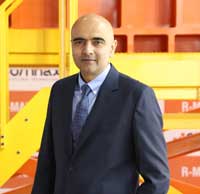
Jignesh Kundaria is the Director and CEO of Fornnax Technology. Over an experience spanning more than two decades in the recycling industry, he has established himself as one of India’s foremost voices on waste-to-fuel technology and alternative fuel infrastructure.



Cement Firms to Invest Rs. 130 bn in Green Energy by FY28

Centre Defers Clearance for Limestone Mine Near Bustard Habitat

Telangana to Supply Subsidised Cement for Indiramma Houses

Cement Demand Strong As Prices Remain Stable

Aditya Birla Group Launches Ultravolt Wires And Cables Business
Cement Firms to Invest Rs. 130 bn in Green Energy by FY28
Centre Defers Clearance for Limestone Mine Near Bustard Habitat
Telangana to Supply Subsidised Cement for Indiramma Houses
Cement Demand Strong As Prices Remain Stable
Aditya Birla Group Launches Ultravolt Wires And Cables Business
-

 Concrete3 weeks ago
Predictive maintenance minimises the risk
-

 Concrete3 weeks ago
AI is solving longstanding challenges
-
 Concrete3 weeks ago
Fuller Technologies QCX® Lab Automation Systems
-

 Concrete3 weeks ago
Beyond the Gearbox: How a Holistic Lubrication Strategy Reduces Total Cost of Ownership in Cement Plants