Connect with us

Concrete

Cement prices shows an uptick in March as demand grows

Published

on

Shares

Based on YoY comparison, pan India average cement price rose by 11%

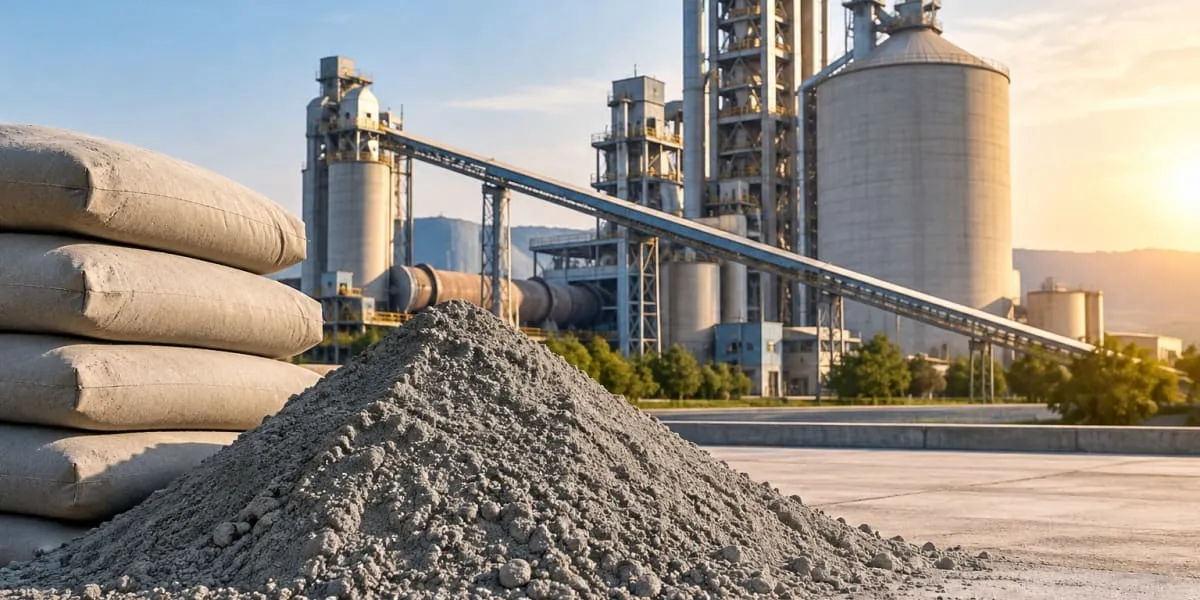
Cement prices increased in March when compared to the previous month. After remaining relatively stable in the three months leading up to February, prices in March surpassed the November high.This could help cement companies offset the impact of higher input costs while also benefiting from increased demand.On a month-over-month basis, the pan India average cement price rose by over 10% to Rs 395 per 50 kg bag as of March 22, 2022, according to various brokerage reports based on dealer interactions. Based on a year-over-year comparison, it increased by 11%.Given the slow pace of project awarding and execution, as well as issues related to sand availability, the average price had peaked at Rs 385 per 50 kg in November over the previous 12 months, leaving cement makers little room to raise prices.Prices began to firm up again in March, according to sector trackers, as the sector enters a seasonally strong period for construction activities.Furthermore, the government’s speed in awarding road projects has accelerated. The rising cost of raw materials is expected to be alleviated by the buoyancy in cement prices.In the last three months, prices of key raw materials such as imported coal and petcoke have risen by as much as 50%.Analysts predict that cement consumption in the March quarter will be higher than in the previous quarter.Given the likelihood of increased demand, the full benefit of higher cement prices is expected to be reflected in cement companies’ financial performance beginning in the second quarter of 2022.Image Source


Also read:Steel, cement costs jumps up by 35% over last two months

Concrete

Adani Group To Set Up Cement Factory In Madhya Pradesh

Chief Minister Mohan Yadav inaugurates plant in Guna

Published

on

By

Shares


Adani Group (Adani) will set up a cement factory in Madhya Pradesh, the chief minister of the state announced after an inauguration ceremony in Guna. The chief minister, Mohan Yadav, described the occasion as a historic day for the state and said the project will strengthen industrial capacity. The event was presented as a milestone in efforts to broaden manufacturing and attract large-scale investment. Officials said the facility will add to regional production capability and support related industries.

State officials outlined that the plant will enhance supply chains for construction and infrastructure projects across the region. The company will bring technical expertise and logistical resources to the site, with government agencies coordinating approvals and land allocation. Local suppliers and service providers will benefit from increased demand, and training initiatives will be developed to build workforce readiness. Officials indicated that the project complements broader plans to modernise industrial clusters in the state.

The state administration said it has facilitated clearances and infrastructure support to accelerate implementation. Local officials have coordinated with the company to ensure connectivity and utilities are in place ahead of commissioning. The chief minister emphasised that collaboration between private investors and the government aims to create sustainable economic growth. Community outreach programmes will address local concerns and establish grievance mechanisms as construction proceeds.

Officials said the inauguration in Guna marks a new phase in the state industrial story and will serve as a reference for future investments. Administrators noted that close monitoring and periodic reviews will guide timely execution and adherence to environmental and safety norms. The government affirmed its commitment to facilitating responsible industrial expansion while ensuring benefits reach local communities. Stakeholders will continue discussions on supply chain integration and long term maintenance arrangements.

Continue Reading

Concrete

Railways Boost Cement Movement by 170 Per Cent and Eye Fly Ash

New container wagons cut costs and speed turnaround

Published

on

By

Shares


Indian Railways has recorded a 170 per cent rise in cement movement in the last four months after reforms launched in November to promote rail based bulk cement logistics. The Union Railway Minister, Ashwini Vaishnaw, reviewed the container sector reforms and their implementation and described the shift as improving plant to market efficiency. The reforms introduced customised bulk cement tank containers and a bulk cement terminal policy to support multimodal handling and door to door solutions.

The new system has simplified loading and unloading by enabling mechanised operations and by reducing package losses compared with bagged cement transport. Since cement can move directly from manufacturing centres to consumption centres in standardised tank containers compatible with Ready Mix Concrete machines, two stages of handling have been eliminated and material loss has been reduced. The standard shape of the containers facilitates faster turnaround and lowers logistics costs for suppliers and builders.

The improved freight turnaround is helping to lower the delivered cost of cement, which can ease pressure on housing costs for the poor and middle class and support affordable construction. The reform is said to be environment friendly as dust generation during material transfer has fallen and fuel consumption and emissions have reduced due to modal shift from road to rail. The Make in India tank containers are designed for seamless movement between train and trailer and to enable efficient door to door movement while cutting congestion on roads.

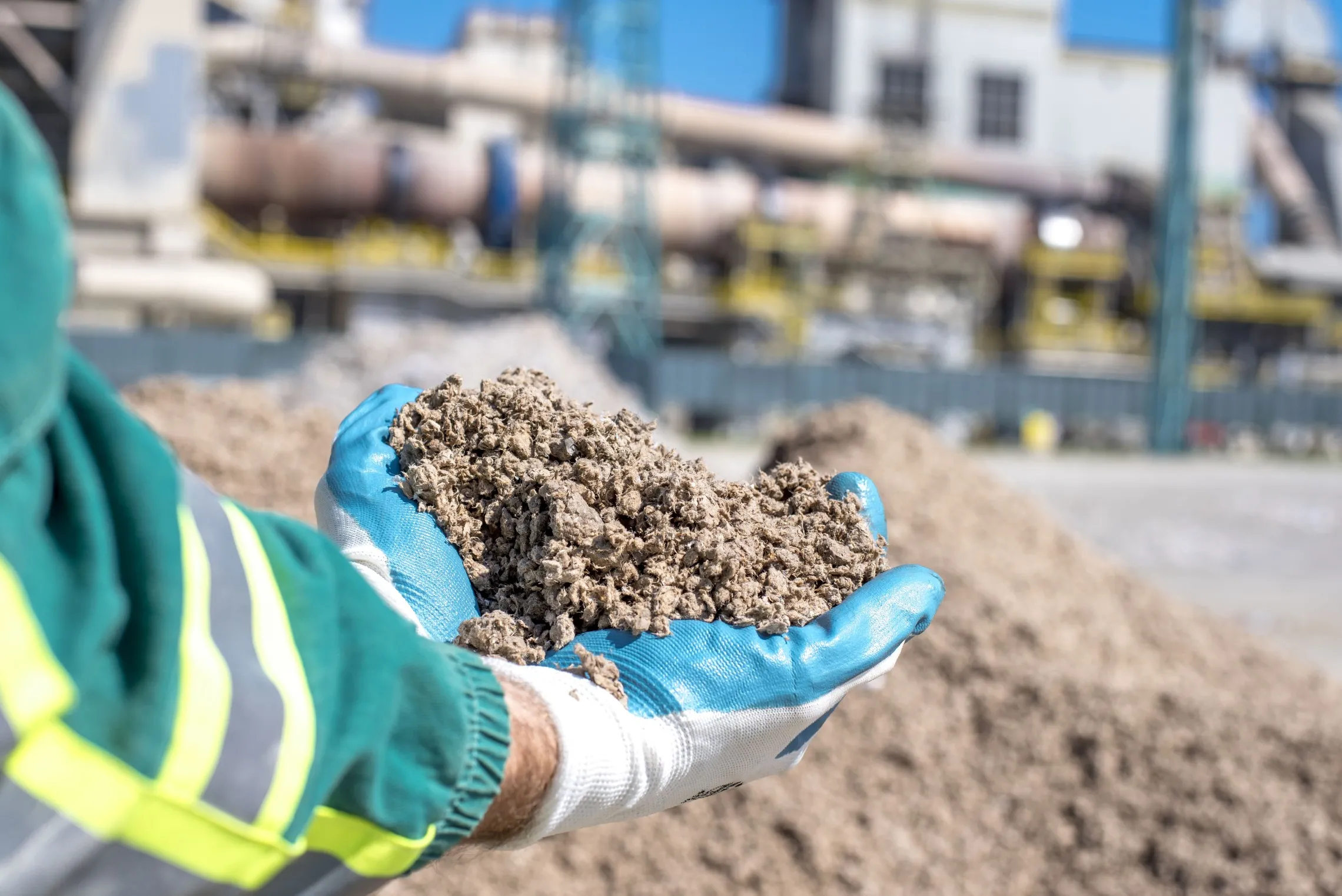
Building on the cement reforms, officials were urged to tap the fly ash transportation market to convert industrial waste into national wealth. The minister noted that nearly 300 million metric tonnes (mn t) of fly ash is produced in the country while only about 13 million t is transported by rail and asked officials to substantially increase Railways share to serve brick kilns, cement industries and construction sites. Wider utilisation of fly ash should reduce pollution, promote recycling and lower construction material costs while strengthening sustainable freight movement across infrastructure sectors.

Continue Reading

Concrete

Dalmia Bharat launches Weather 365 in East India

New water-repellent cement targets weather-resilient housing demand

Published

on

By

Shares


Dalmia Bharat Cement has launched Weather 365, a super-premium water-repellent cement brand for retail markets in West Bengal and Bihar. The product is designed to address rising demand for durable and weather-resistant construction materials in Eastern India.
Weather 365 offers protection against seepage, dampness and moisture damage, especially in regions exposed to heavy rainfall, humidity and changing weather cycles. The cement is suited for roofs, columns and foundations, and uses uniform water-repellent technology to reduce water penetration, steel corrosion, efflorescence and damp patches.
The company said the product will be available in water-resistant and tamper-proof BOPP packaging. It will also provide on-site technical support through engineering and technical services teams to guide customers on construction practices and long-term building performance.
Positioned in Dalmia Bharat Cementโ€™s premium portfolio, Weather 365 targets homeowners, contractors and builders seeking stronger concrete, improved paint life and better structural durability. The launch supports the companyโ€™s strategy to expand premium construction solutions in key Eastern India markets.

Continue Reading

Video Thumbnail
โ–ถ

    SIGN-UP FOR OUR GENERAL NEWSLETTER


    Trending News

    SUBSCRIBE TO THE NEWSLETTER


    Don't miss out on valuable insights and opportunities to connect with like minded professionals.


      This will close in 0 seconds