Connect with us

Concrete

JK Lakshmi Advances LC3 Cement Expansion

Company highlights commercial production and research partnerships

Published

on

Shares

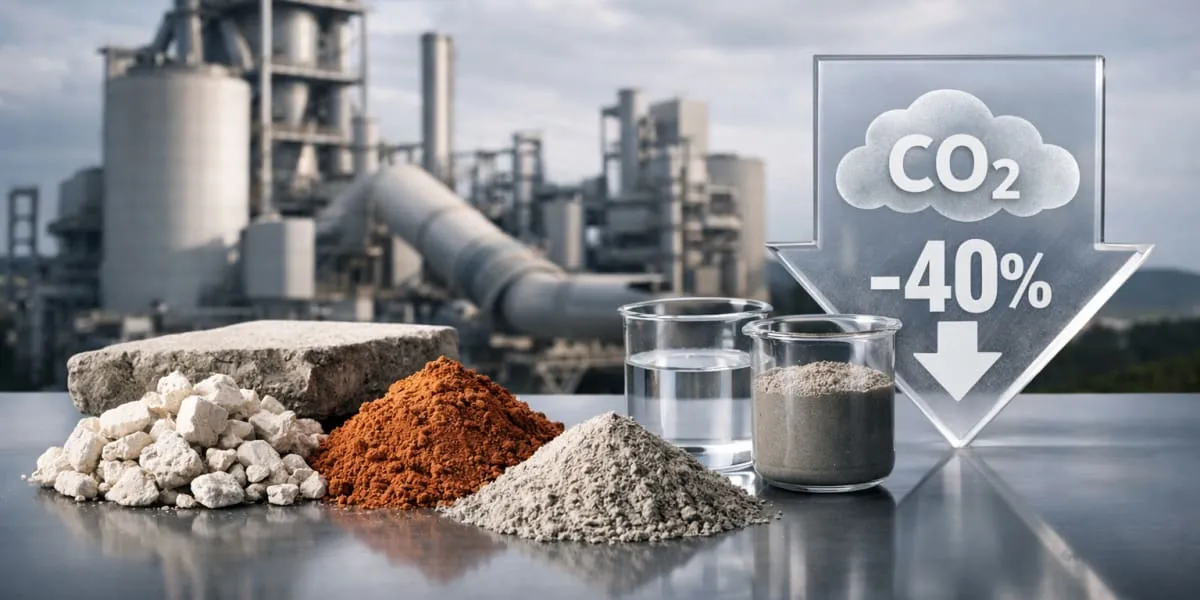
The meeting reviewed progress in limestone calcined clay cement (LC3) technology and its commercial adoption in India’s cement sector, focusing on low-carbon alternatives to conventional binders. JK Lakshmi Cement noted that limestone calcined clay cement can reduce carbon dioxide emissions by up to 40 per cent compared with conventional cement and said this reduction supports industry decarbonisation. The company highlighted that it was among the first two cement manufacturers in India to move LC3 into commercial production after the Bureau of Indian Standards approved the technology as a cement standard.

Vinita Singhania said the transition of LC3 from research to commercial production reflected collaboration between industry, academia and international institutions. Maya Tissafi acknowledged JK Lakshmi Cement’s role in advancing LC3 adoption in India and its contribution in taking the technology from laboratory trials to commercial implementation. Both representatives underlined the growing relevance of sustainable construction materials as India expands infrastructure and urban development.

The meeting explored continued collaboration with Swiss research institutions such as EPFL, EMPA and ETH Zurich alongside Indian academic partners and development organisations. JK Lakshmi Cement has been associated with the LC3 initiative since 2014 and worked with EPFL, IIT Delhi, IIT Madras, Development Alternatives and Technology and Action for Rural Advancement. The company conducted one of the earliest industrial trials of LC3 and recently announced commercial production of Green Pro LC3 cement from its Jaykaypuram plant in Rajasthan.

India remains the world’s second-largest cement producer and expansion of infrastructure, urbanisation and housing demand continue to support long-term sector growth, increasing interest in low-carbon technologies. The company reported an annual turnover of more than Rupees (Rs) 60 bn and current cement capacity of about 18 million (mn) tonnes (t) per annum, with a target of reaching 30 million (mn) tonnes (t) by 2030. Apart from grey cement, the company also makes ready-mix concrete, gypsum plaster, wall putty, primers, adhesives and fly ash blocks, and both sides concluded on the need for continued collaboration to develop sustainable construction solutions.

Concrete

Nuvoco Marks 10 Years, Targets 35 MMTPA Capacity by FY28

Nuvoco celebrates a decade of growth, targeting 35 MMTPA cement capacity by FY28.
Published

on

By

Shares
Nuvoco Vistas Corporation Limited is celebrating a decade of operations under the theme ‘Dus Saal Bemisaal’, highlighting its expansion in India’s building materials sector. The company has grown from a single cement manufacturing facility into a diversified organisation operating across cement, ready-mix concrete (RMC) and modern building materials.
The company’s journey began in 2014 when its parent, Nirma Group, commissioned a 2 million metric tonnes per annum (MMTPA) greenfield cement plant at Nimbol, Rajasthan. A major milestone followed in October 2016 with the acquisition of Lafarge India, significantly expanding its manufacturing footprint.
Nuvoco strengthened its market presence through the acquisition of Emami Cement, now NU Vista Limited, in 2020, followed by its public listing in 2021. In April 2025, the company added Vadraj Cement to its portfolio, strengthening its presence in western India.
Nuvoco has an operating cement capacity of 27 MMTPA and 14 manufacturing units, including the Kutch and Sachana facilities in Gujarat, which are in advanced stages of completion. It also operates 58 ready-mix concrete plants across India and offers a range of modern building materials.
The company aims to increase its cement capacity to 35 MMTPA by FY2027-28, representing approximately 15-fold growth over the decade.
Reflecting on the milestone, Hiren Patel, Chairman, Nuvoco Vistas Corporation Limited, said, “From our beginnings at Nimbol to the organisation we are today, every milestone has added a new chapter to Nuvoco’s journey and strengthened our belief in building for the long term.”
The company continues to focus on capacity expansion, operational efficiency, innovation and sustainability while strengthening its position in India’s construction materials market.

Continue Reading

Concrete

J&K Government Notifies City Gas Distribution Policy

Policy targets PNG and CNG expansion across all 20 districts
Published

on

By

Shares

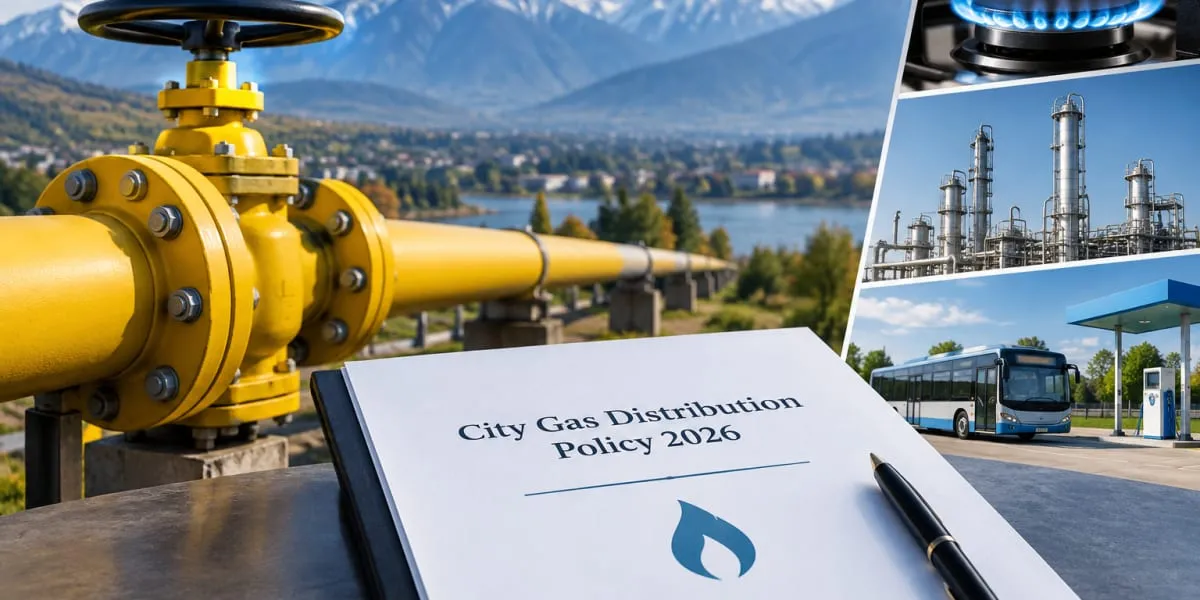
Jammu and Kashmir government has notified the City Gas Distribution (CGD) Policy, 2026, following its approval by the Council of Ministers headed by Chief Minister Omar Abdullah. The policy sets out a phased framework for expanding Piped Natural Gas (PNG) and Compressed Natural Gas (CNG) access for households, businesses, industries and the transport sector across the Union Territory.

CGD networks will be expanded in phases across all 20 districts, with the aim of bringing reliable natural gas closer to consumers and supporting a gradual shift from conventional fuels. The government said the policy is designed to improve energy access while creating an investor-friendly and time-bound environment for gas distribution projects.

The policy provides for single-window and time-bound clearances, streamlined procedures for setting up CNG stations and standardised norms for the Right of Way. These measures are intended to reduce procedural delays, simplify project implementation and facilitate investment in natural gas infrastructure.

It also prioritises gas connectivity for major industrial estates, including those in Kathua, Samba and Pulwama. Improved access to natural gas is expected to support industrial activity, enhance energy efficiency and help businesses manage fuel costs, while strengthening their competitiveness and encouraging investment in the clean-energy sector.

The policy is also expected to create opportunities for local employment, apprenticeships and skill development in the construction, operation and maintenance of gas distribution networks and related services. Abdullah described the measure as an important step towards cleaner growth, sustainable development and a modern energy ecosystem in Jammu and Kashmir, saying it would expand reliable energy access and support industry and investment.

Continue Reading

Concrete

JSW Cement Commissions 1 MTPA Grinding Unit at Nagaur

Nagaur unit lifts JSW Cement’s grinding capacity to 25.10 MTPA
Published

on

By

Shares

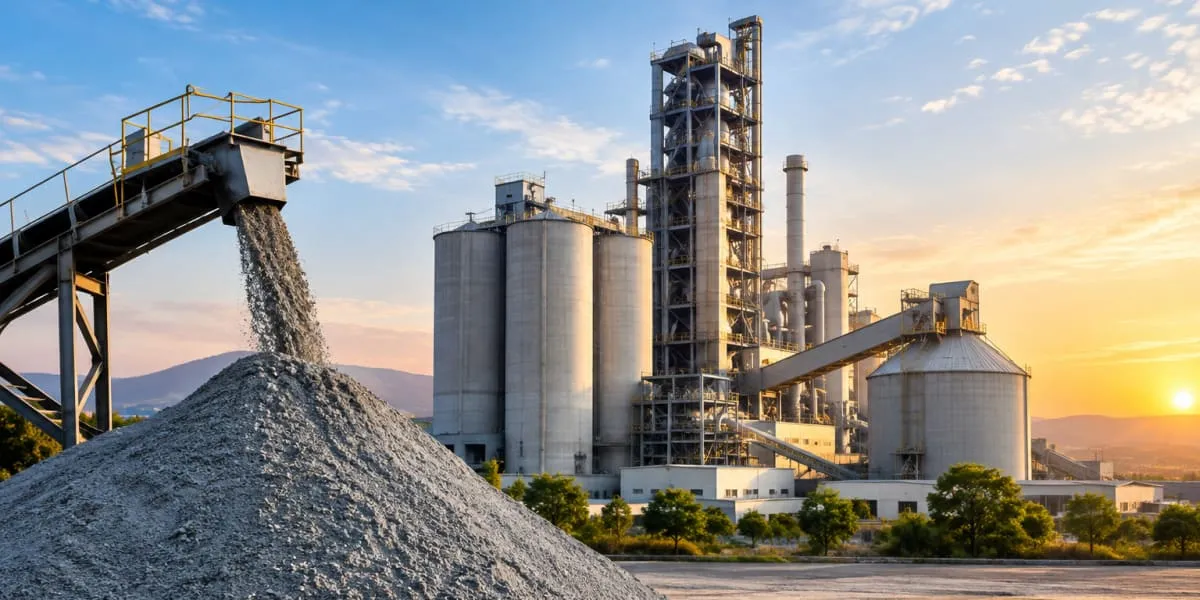
JSW Cement has commissioned an additional 1 MTPA grinding unit at Nagaur in Rajasthan. MTPA refers to million tonnes per annum. The commissioning has increased the company’s total cement grinding capacity to 25.10 MTPA, while its total clinker manufacturing capacity, including capacity at its joint venture JSW Cement FZC, stands at 9.74 MTPA.

The company began operations in North India in March 2026 with the Nagaur Integrated Plant, which comprised a 3.30 MTPA clinkerisation unit and a 2.50 MTPA cement grinding unit. Following the latest commissioning, the plant’s total cement grinding capacity has risen to 3.50 MTPA.

The expanded facility is expected to strengthen JSW Cement’s ability to serve cement demand across Rajasthan, Haryana, Punjab and the National Capital Region. The project has been funded through a combination of equity and long-term debt, according to the company.

During the quarter ended 30 September 2026, JSW Cement also commissioned an Alternate Fuel Handling System and a Waste Heat Recovery System (WHRS) at the Nagaur Integrated Plant. The company said the additions formed part of its broader effort to improve operational efficiency at the facility.

Nilesh Narwekar, chief executive officer of JSW Cement, said the additional grinding capacity was a strategic priority that would support the company’s expansion in North India. He added that the unit had been commissioned within the expected timeline, reflecting the company’s project execution capabilities, and that the alternate fuel and waste heat recovery systems were expected to substantially reduce production costs going forward.

Continue Reading

Video Thumbnail
▶

    SIGN-UP FOR OUR GENERAL NEWSLETTER

    Trending News