Connect with us

Economy & Market

Strategising Dust Management

Published

on

Shares

ICR delves into the multifaceted aspects of dust control in cement manufacturing, from environmental and health hazards to regulatory standards and innovative technologies. By exploring dust generation sources, control technologies and regulatory frameworks, it highlights the critical importance of effective dust management practices.

Dust control is a critical aspect of cement manufacturing, essential for both environmental stewardship and ensuring the health and safety of workers and nearby communities. The cement industry is inherently dusty due to the various processes involved in raw material handling, grinding, and clinker production. However, effective dust control measures are indispensable for mitigating the adverse impacts associated with dust emissions.
Environmental hazards: Dust emissions from cement plants contribute significantly to air pollution, releasing particulate matter (PM) and various pollutants into the atmosphere. These particles can travel over long distances, affecting air quality in surrounding areas and even beyond. PM10 and PM2.5, particles smaller than 10 and 2.5 micrometers respectively, are of particular concern as they can penetrate deep into the lungs, leading to respiratory problems and exacerbating existing health conditions. Additionally, dust deposition can contaminate soil and water bodies, posing risks to ecosystems and biodiversity.
Health hazards: Workers in cement plants are exposed to high levels of dust, which can lead to respiratory illnesses such as silicosis, a debilitating lung disease caused by inhalation of crystalline silica dust. Prolonged exposure to cement dust can also result in other respiratory ailments, including bronchitis and asthma. Furthermore, communities residing near cement plants are at risk of exposure to dust emissions, potentially leading to similar health issues and compromising their quality of life.
Niranjan Kirloskar, Managing Director, Fleetguard Filters, says, “Better filtration can improve the quality of application performance in multiple ways. Filtration improves the engine performance as it filters and prevents dirt, dust, and debris from entering into the engine. This ensures that the quality of air or fluid that reaches the combustion chamber is as per the specific requirements of optimal performance of the engine. It also extends the engine life by filtering out contaminants. Efficient filtration ensures optimal performance of the engine/equipment over its entire operating life. Filtration also improves fuel efficiency as a clean filter allows for a better air-fuel mixture in the engine, thus improving combustion efficiency, which in turn results in better fuel economy. It keeps emissions under control as fuels burn more efficiently, leading to lesser harmful residue in the environment. Thus, to sum up, an optimal filtration solution ensures better performance, prolonged engine life and less hazardous waste in the environment.”
Effective dust control in cement manufacturing is paramount for safeguarding the environment, protecting public health, and ensuring sustainable operations. By implementing robust dust mitigation measures and adhering to regulatory standards, cement plants can minimise their environmental footprint and create safer working environments for employees. Furthermore, investing in advanced dust control technologies not only reduces emissions but also enhances operational efficiency and strengthens corporate social responsibility initiatives. Thus, prioritising dust control is not just a regulatory requirement but a moral imperative for the cement industry.

Dust generation in cement manufacturing
Cement manufacturing involves several processes, each contributing to the generation of dust emissions. Understanding the primary sources of dust generation is crucial for implementing effective control measures and mitigating environmental and health risks associated with dust exposure.
In the initial stage of cement production, raw materials such as limestone, clay, shale, iron ore, and sand are crushed into smaller particles. Crushing operations typically involve the use of crushers and impactors, which break down the raw materials into finer sizes suitable for further processing. However, these mechanical actions can result in the generation of significant dust emissions due to the fragmentation of materials and the handling of dusty feedstock.
Grinding of raw materials and clinker accounts for a considerable portion of dust emissions in cement plants. Raw materials and clinker are ground to a fine powder in cement mills, using ball mills, vertical roller mills or other grinding equipment. During grinding operations, friction between the grinding media and the raw materials generates heat and abrasion, leading to the formation of dust particles. Additionally, the handling and transportation
of pulverised materials further contribute to dust emissions.
Material handling processes, including conveying, transferring, and storage of raw materials and finished products, are another significant source of dust generation in cement manufacturing. Conveyor belts, bucket elevators, and pneumatic conveying systems are commonly used to transport bulk materials within the plant. These operations can generate dust through material transfer points, spillage and fugitive emissions from open storage piles. Furthermore, loading and unloading activities during transportation of bulk materials can also release dust into the atmosphere.
By identifying these sources and implementing appropriate dust control measures, cement plants can minimise emissions and mitigate the adverse impacts on air quality and worker safety. Strategies such as dust suppression, enclosure of equipment, ventilation systems, and proper maintenance practices are essential for controlling dust emissions throughout the production process. Moreover, investing in advanced technologies and best practices for dust management can contribute to sustainable and responsible cement manufacturing practices.

Dust control tech
Dust suppression systems are vital in physically controlling dust emissions. Some of the key technologies that help in dust suppression in the cement plants include:

  • Wet scrubbers: Some cement mills utilise wet scrubbers to capture and remove dust particles from the air. They operate by spraying water on the particles, causing them to adhere to surfaces and be cleared from the air.
  • Bag filters: Bag filters are extensively used in Indian cement factories to capture dust particles generated during manufacturing. These filters are made of cloth bags that trap dust particles when air travels through them.
  • Electrostatic precipitators (ESPs): ESPs are another type of dust filtration equipment used in Indian cement plants. They use an electrostatic charge to attract and trap dust particles.
  • Cyclones: Cyclones are mechanical separators that can remove larger dust particles from the air. They work by creating a cyclonic effect that causes particles to be separated from the air stream
  • High-efficiency particulate air (HEPA) filters: HEPA filters are highly efficient filters that can remove up to 99.97 per cent of particles as small as 0.3 microns. They are commonly used in cleanrooms and other sensitive environments.

In addition to these filtration techniques, Indian cement plants also use various operational and maintenance practices to reduce dust emissions, such as regular equipment cleaning and maintenance, optimising production processes to reduce dust generation, and providing training to employees on dust control practices.
“Techflow’s air pollution control systems seamlessly integrate into your existing cement plant. Our pulse jet bag filters fit effortlessly downstream of grinding mills and packing stations, effectively capturing fine dust particles generated during these processes. Electrostatic Precipitators (ESPs) excel in kiln exit gas streams, working alongside existing cyclones to achieve ultra-fine particulate control, a critical step in maintaining clean air emissions,” says Arpit Kantia, Head – Marketing and Business Development, Techflow Enterprises.
“Techflow’s comprehensive offering of centrifugal fans ensures a perfect fit for any application. Our ID fans seamlessly integrate into the kiln system, creating the necessary draft to pull exhaust gases through the air pollution control equipment. Process fans, strategically placed throughout the plant, efficiently convey dust-laden air from various generation points, like clinker coolers and raw material handling, towards the filtration units. This modular approach minimises disruption during installation and ensures optimal dust collection across your entire cement production process,” he adds.
Dust control technologies in cement manufacturing each come with their own set of advantages and limitations. Bag filters are efficient and versatile, but they require frequent maintenance and have limited tolerance to high temperatures. Electrostatic precipitators (ESPs) are effective for high-temperature applications and require minimal maintenance, but they may be less effective for capturing fine particles and involve higher initial capital investment. Wet scrubbers are effective for both particles and gases, with high removal efficiencies, but they demand higher water consumption and maintenance, as well as complex design and integration requirements. Choosing the most suitable technology depends on specific needs and operating conditions, weighing the pros and cons of each option carefully.

  • Control and regulations
    The Indian government has established norms and regulations to control dust and fugitive emissions from cement plants. Some of the key norms include:
  • National Ambient Air Quality Standards (NAAQS): The NAAQS set by the Central Pollution Control Board (CPCB) establish limits on air pollutants, including particulate matter (PM) emissions, from all industries, including cement plants.
    Environment Protection Act (EPA): The EPA provides guidelines and regulations for controlling emissions from industries, including the
    cement industry.
    Cement Industry (Prevention and Control of Pollution) Rules, 2013: These rules set specific emission limits for cement plants in India. For example, the rules specify that PM emissions should not exceed 30 mg/Nm3 for dry kilns and 50 mg/Nm3 for wet kilns.
    Ministry of Environment, Forest and Climate Change (MoEFCC) guidelines: There are guidelines for the installation of pollution control equipment in cement plants, including bag filters, electrostatic precipitators and wet scrubbers.
    State pollution control boards: State pollution control boards are responsible for enforcing the norms and regulations related to dust and fugitive emissions at cement plants.
    Cement plants in India are required to comply with these norms and regulations to minimise their impact on the environment and public health. Failure to comply can result in fines, legal action and suspension of operations.

Preventive measures for dust
Controlling dust accumulation is crucial for maintaining a safe and healthy working environment in cement manufacturing plants. Implementing effective strategies and preventive maintenance measures, along with adopting appropriate housekeeping practices, can significantly reduce dust emissions and mitigate associated risks.
Regular inspection and maintenance routines for equipment, including crushers, mills, and conveyors, are essential to identify and rectify potential sources of dust emissions promptly. Employing dust suppression techniques, such as water sprays and fogging systems, during material handling operations can significantly reduce airborne dust.
Enclosing processing equipment and material transfer points, coupled with robust ventilation systems equipped with dust collectors, ensures the containment and capture of airborne particles. Proper material handling and storage practices, along with comprehensive employee training on safety protocols and dust control procedures, further contribute to minimising dust generation and exposure risks.
Additionally, maintaining cleanliness through regular housekeeping schedules, employing appropriate cleaning equipment, and fostering a culture of awareness among workers are vital aspects of effective dust management. By integrating these measures into their operations, cement plants can uphold clean and safe working environments, mitigate environmental impact, and ensure compliance with regulatory standards, thereby fostering sustainable and responsible practices within the industry.

Case Study: Dust monitoring solutions for cement plants

Particulate emissions from cement kilns have been reduced significantly over the last few decades due in part to ever-tightening regulatory controls including the lowering of emission limit values (ELVs) and the associated increase in installations of highly effective filtration systems which require higher quality monitoring.
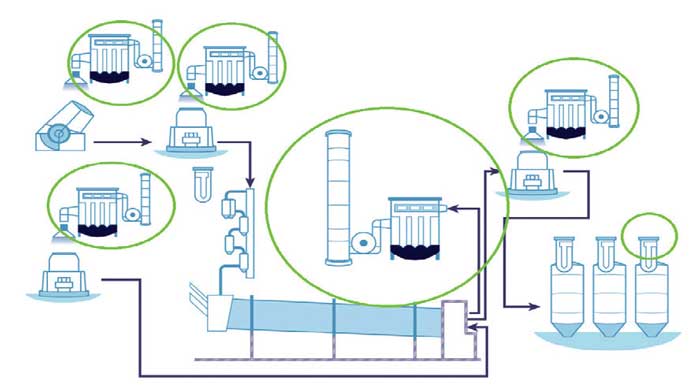
  • Main emissions to air are from the kiln system
  • Additional potential sources include crushing plant, coal mills, clinker mills and silos
  • Recognising differing environmental conditions and process applications require different particulate emission measurement technology options, ENVEA offers an extensive technology range including Light Scatter, Probe Electrification, Opacity and Ratiometric Opacity for regulatory compliance and to facilitate filter and process optimisation.
  • Stack particulate emissions compliance measurement
  • Baghouse chamber and filter performance monitoring
  • Predictive bag filter row monitoring

PM CEMS IN THE KILN STACK: TECHNOLOGY CONSIDERATIONS
Technology choice is based on regulatory requirements including normal dust operating levels and filter type. As ELVs decrease, installations of Scatter-based systems (forward or back) are more common due to a measurement capability at very low dust concentrations. Systems are approved to the latest MCERTS and TUV standards with extensive quality assurance and audit features for ongoing quality assurance. Systems can be calibrated to provide a mg/m3 measurement in comparison to a standard reference (isokinetic) test.

MONITORING BEYOND THE MAIN KILN STACK
Bag filters are widely used as the preferred emission abatement for cement plants and there is a growing need for continuous monitoring to understand how the arrestment plant is working. Monitoring on individual compartment outlets provides data to Plant Operators which enables the location of faulty and failing filter media before gross failure occurs. This in turn ensures efficient operation and control of bag filter arrestment plant and considerably reduces maintenance costs and expensive process downtime.
Bag filter arrestment plants can be monitored by a networked system of ElectroDynamic™ Probe Electrification instruments, certified to TUV and MCERTS performance standards with patented features to a high performance under a wide range of process conditions.
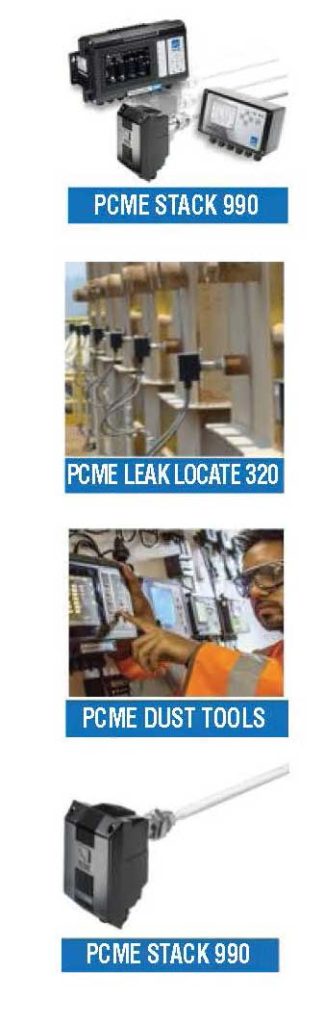

Crushing Plant: ElectroDynamic™ technology-based systems suitable for relatively small diameter stacks with low dust loads, typically <5mg/m3
Silo Filters: Single sensor units or multi-channel networked systems for earlyarning of silo filter leakage or rupture preventing environmental impact and product loss
Coal Mills: Filter condition assessed remotely utilising PC-ME Dust Tools software
Clinker Mills: Fully insulated ElectroDynamic™ sensor for effective monitoring in humid conditions.


Concrete

Protect Your Margins

Published

on

By

Shares

In a research-backed article, Dr SB Hegde examines why carbon-adjusted profitability and LC3 will decide the next set of winners in cement manufacturing.

The Indian cement industry has achieved world-class operational efficiency through lower specific energy consumption, high plant utilisation and a reduced average clinker factor of approximately 67.5 per cent. These traditional measures of operational excellence remain essential. However, they are no longer sufficient. Carbon now carries a measurable financial cost under India’s Carbon Credit Trading Scheme (CCTS) and under European carbon markets. Future leadership will be defined by carbon-adjusted profitability, the ability to generate strong returns while systematically lowering the carbon intensity of every ton sold.
Limestone calcined clay cement (LC3) offers a practical, scalable pathway to achieve this dual objective. By replacing up to 50 per cent of clinker with calcined clay and limestone, LC3 can reduce CO2 emissions by 30–40 per cent while delivering comparable or superior durability performance.
This article examines the technical foundations of LC3, European industrial practices, the emerging Indian carbon market and a concrete roadmap for Indian companies to embed carbon-adjusted metrics and LC3 into daily operations, incentives and commercial strategy.

Limits of traditional operational excellence
For many years, plant performance has been judged primarily by five indicators: specific heat consumption, specific power consumption, kiln and mill utilisation, clinker factor and overall equipment effectiveness. These metrics drove continuous improvement and helped the industry reduce energy use and increase the share of blended cement. Three structural changes have rendered them incomplete as sole measures of success.
First, carbon now carries a real or opportunity cost. Plants that improve volume or lower cash cost while raising or stagnating emissions intensity create a hidden liability that will surface as CCTS trading matures and as green procurement expands.
Second, lower-carbon products such as LC3 and high-performance blended cements are creating differentiated market segments. Customers in infrastructure, real estate and export-oriented construction are beginning to specify embodied-carbon limits.
Third, investors and lenders increasingly treat carbon intensity as a financial risk factor. Traditional KPIs can mask the divergence between short-term cash profit and long-term carbon-adjusted value.

What is carbon-adjusted profitability?
Carbon-adjusted profitability evaluates normal profit after explicit adjustment for carbon performance. A practical expression is:
Carbon-Adjusted EBITDA = Conventional EBITDA – Carbon Cost + Green Premium Income
Carbon cost may be an internal carbon price, the actual cost of purchasing Carbon Credit Certificates under CCTS, or the opportunity cost of high emissions relative to peers. Green premium income arises when customers pay more for verified lower-carbon cement or when the company sells surplus credits. Tracking both conventional and carbon-adjusted profit side-by-side gives management a clearer picture of value creation under evolving market rules.

Table 1. Traditional KPIs versus Carbon-Adjusted Leadership Metrics
Traditional Focus New Leadership Metric Why It Matters
Specific energy consumption Emissions intensity (kg CO2/t cement) Directly linked to future CCTS and CBAM costs
Kiln utilisation Carbon-adjusted contribution margin Reveals true value of incremental volume
Clinker factor Share of lower-carbon products sold (incl. LC3) Measures commercial success of the transition
Power cost per tonne Effective carbon cost per tonne sold Expose hidden liabilities
Absolute EBITDA Carbon-adjusted EBITDA + green premium Aligning profit with future market reality

LC3: Technical foundations and performance advantages
LC3 is a ternary blended cement that typically combines approximately 50 per cent clinker, 30 per cent calcined clay, 15 per cent limestone and 5 per cent gypsum (the classic LC3-50 formulation). The decisive technical advantage is that clay is calcined at 700–850 °C, far below the 1,450 °C required for clinker production. This lower temperature, together with the substantial reduction in clinker content, delivers CO2 reductions of 30–40 per cent relative to ordinary Portland cement (OPC).
Chemistry is synergistic. Calcined kaolinitic clay (metakaolin) reacts with calcium hydroxide from clinker hydration and with limestone to form additional C-A-S-H gel and carboaluminate phases. These phases densify the microstructure, reduce porosity and improve durability.
Field experience shows superior resistance to chloride ingress, sulphate attack and alkali–silica reaction. Early-age strength can match OPC with high-reactivity clays; later-age strengths routinely meet 42.5 and 52.5 grade requirements.
Importantly, LC3 does not require high-purity kaolin. Clays with 40 per cent or even lower kaolinite content can be activated successfully, expanding raw-material availability across India. Calcination can use adapted rotary kilns or dedicated flash calciners, making the technology compatible with existing plant infrastructure and far less capital-intensive than carbon capture.
Economic analyses show that LC3 can be produced at equal or lower cost than OPC in many locations because of reduced energy demand and cheaper clay. Life-cycle assessments consistently report 30–40 per cent lower embodied CO2 per tonne of cement.
Table 2. Comparative profile: OPC versus LC3-50
Parameter OPC LC3-50
Typical clinker content ~95 per cent ~50 per cent
CO2 emissions (relative) Baseline (≈0.85 t CO2/t cement process + fuel) 30–40 per cent lower
Clay calcination temperature Not applicable 700–850 °C
Key hydration products C-S-H, portlandite, ettringite C-A-S-H + carboaluminates
Chloride & sulphate resistance Good Superior
Production cost potential Baseline Equal or lower in most locations
Infrastructure compatibility Existing High (minor adaptations)

In India, commercial adoption has begun in earnest. JK Cement commenced the first commercial production of LC3 in the Indian subcontinent at its Mangrol plant in Rajasthan in 2025 under BIS standard IS 18189.
By early 2026, approximately 2,000 tonnes had been produced and sold, avoiding an estimated 500 tonnes of CO2. JK Lakshmi Cement followed with commercial launch of its Green PRO LC3 grade from the Jaykaypuram plant. As of mid-2026, two producers are supplying LC3 to the market. The first large-scale infrastructure application is the Noida International Airport (Jewar), where LC3 was used in the runway and a building complex, demonstrating full constructability and performance under demanding conditions. These early volumes are still small relative to national cement demand, but they mark the critical transition from pilot to commercial reality. Companies that scale capacity now will be positioned to capture both CCTS credits and emerging green-procurement demand.

Why the shift is accelerating
According to the World Bank’s State and Trends of Carbon Pricing 2026, direct carbon pricing now covers nearly 30 per cent of global greenhouse-gas emissions and generated more than US$107 billion in public revenue in 2025. The average global carbon price stands at approximately US$21 per tonne, although regional prices vary widely.
In Europe, the EU ETS price has traded near €80–85 per tonen in mid-2026. Free allocation for cement is being withdrawn in parallel with CBAM. European producers therefore face a clear signal: every tonne of avoided CO2 improves both compliance and competitiveness. Holcim has scaled calcined-clay production, including Europe’s first dedicated line at Saint-Pierre-la-Cour (France) and a second line in the Czech Republic (2026). Heidelberg Materials, Cementir (FUTURECEM) and others have commercialised low-clinker calcined-clay blends across multiple markets, showing that carbon-adjusted profitability is already reshaping capital allocation in the world’s most mature carbon market.India’s CCTS is now operational. Binding emission intensity targets apply to 186 cement facilities for FY 2025–26 and FY 2026–27. Average required reductions for integrated plants are modest (around 2.7 per cent by FY 2027), yet the direction is clear.
Trading of Carbon Credit Certificates is expected in the second half of 2026, with early prices likely in the `800–1,500 per tonne range. Plants that outperform targets can sell credits; those that underperform must buy them or face compensation. Cement is well positioned to be a net supplier of credits if clinker factor continues to fall through LC3 and other low-clinker systems.

Way forward for India
India starts from a strong baseline, world-class energy efficiency and a clinker factor already lower than the global average. The next competitive frontier is the deliberate reduction of process emissions through clinker substitution at scale. LC3 is uniquely suited to Indian conditions because suitable clays are widely distributed, the technology fits existing kiln and grinding infrastructure, and the resulting product can meet the performance demands of both infrastructure and building construction.
A practical national pathway contains five interlocking elements:

  1. Standards and acceptance: Accelerated finalisation and promotion of BIS specifications for calcined-clay and limestone–calcined-clay cements will remove a key barrier to commercial uptake. Alignment with European practice (EN 197-5) can facilitate knowledge transfer and export readiness.
  2. Supply-chain development: Investment in flash calcination capacity and systematic characterisation of regional clay deposits will secure reliable, low-cost feedstock. Existing rotary kilns can be adapted for initial volumes while dedicated calciners are built.
  3. Incentive alignment: Part of variable compensation for plant managers, sales teams and senior leadership should be linked to emissions intensity reduction and to the volume of lower-carbon products (including LC3) sold. Without this link, traditional volume and cost targets will continue to dominate behaviour.
  4. Product-level carbon accounting: Reliable measurement of emissions intensity at the individual cement grade level, supported by third-party verification where required, is essential for both CCTS compliance and credible green claims.
  5. Demand-side pull: Green public procurement policies that specify maximum embodied-carbon thresholds for major infrastructure projects will create a predictable market for LC3 and other low-carbon cements, accelerating scale and cost reduction.
    Companies that treat LC3 as a strategic product line rather than a niche offering will be better positioned to generate surplus Carbon Credit Certificates, capture any emerging green premium, and protect margins as carbon costs rise.

Organisational changes required
Technical capability alone is insufficient. Three organisational shifts are required.
Daily management: Emissions intensity must appear on the same daily and monthly dashboards as heat consumption, power consumption and utilization. Plant reviews should examine both conventional and carbon-adjusted results.
Incentives: A meaningful portion of bonuses for plant heads, technical teams and sales leadership should be tied to lower emissions intensity and successful commercialisation of LC3 and other low-carbon grades.
Commercial approach: Sales teams need clear volume and pricing targets for lower-carbon products, supported by technical service that helps customers specify and place the material correctly. Without commercial pull, excellent technical performance remains under-utilised.

Table 3. Three-stage roadmap to carbon-adjusted profitability
Time Horizon Priority Actions Expected Outcome
Next 12 months Add emissions intensity to plant dashboards; establish internal carbon price; initiate LC3 pilot production and customer trials Visibility and early organisational learning
12–24 months Revise incentive systems; scale LC3 and other low-carbon grades to key accounts; secure third-party verification capability People and sales aligned with carbon goals
24–36 months Embed carbon-adjusted metrics in board reporting and capital allocation; expand calcined-clay capacity Full system integration and competitive advantage

Questions senior leaders should ask
Boards can accelerate the transition by insisting on answers to a short list of questions:
• Is our carbon-adjusted profit improving, stable or declining relative to conventional EBITDA?
• Did recent volume growth improve or worsen our emissions intensity?
• What share of sales already comes from lower-carbon products, including LC3, and what is the trajectory?
• How exposed is our capital expenditure plan to rising carbon costs under CCTS and potential CBAM-related requirements?
• Do our incentive systems still reward only volume and cost, or have they been updated to include carbon performance?
Treating carbon with the same seriousness as energy cost or kiln utilization does not diminish operational excellence; it expands the definition of excellence to match the new competitive reality.

Looking ahead
By 2030 the gap between leading and lagging cement companies will not be decided by who records the lowest specific heat consumption. It will be decided by who delivers the strongest carbon-adjusted profits.
Absolute emissions may still rise as national production grows. That is not the issue. Companies that reduce intensity year after year and successfully sell cleaner products will pull ahead in both domestic and export markets. Those that do not will fall behind, even if their traditional efficiency numbers look strong.
Operational excellence built the Indian cement industry. It remains the foundation. It is no longer the complete picture. Carbon-adjusted profitability is the clearer measure of success.
LC3 is not a distant technology. It is available now. It cuts CO3 by 30–40 per cent, works with existing plants, and is already in commercial production in India. Companies that treat it as a strategic product, not a pilot, will protect their margins and generate tradable credits.
Leaders who act now will place carbon metrics on daily dashboards, link incentives to intensity reduction and LC3 sales, invest in calcined-clay capacity, and build commercial capability to sell lower-carbon products. They will shape the next chapter of the industry.

References

  1. World Bank. (2026). State and Trends of Carbon Pricing 2026. Washington, DC: World Bank Group.
  2. International Carbon Action Partnership (ICAP). (2026). India Carbon Credit Trading Scheme – Status and Coverage. Berlin: ICAP.
  3. Ministry of Environment, Forest and Climate Change / Bureau of Energy Efficiency. (2025). Greenhouse Gases Emission Intensity Target Rules, 2025. New Delhi: Government of India.
  4. Scrivener, K., Martirena, F., Bishnoi, S., & Maity, S. (2018). Calcined clay limestone cements (LC3). Cement and Concrete Research, 114, 49–56.
  5. RMI. (2024). The Business Case for LC3. Rocky Mountain Institute.
  6. European Commission. (2026). EU Emissions Trading System – Allowance Price Data and Free Allocation Phase-out Schedule. Brussels.
  7. Holcim. (2025–2026). Scaling Calcined Clay for Sustainable Building – Corporate Updates on European and Latin American Capacity. Zurich: Holcim Ltd.
  8. LC3 Project / EPFL. (2026). LC3 – A Guide to Best Practices for Scalable, Affordable and Sustainable Low-Carbon Building. Lausanne: École Polytechnique Fédérale de Lausanne.
  9. Business Today / Industry Reports. (2026). First Large-Scale LC3 Application at Noida International Airport, Jewar. New Delhi.
  10. NITI Aayog / Industry Analyses. (2026). Roadmap and Baseline Performance Indicators for the Indian Cement Sector. New Delhi.
  11. Springer / Innovative Infrastructure Solutions. (2026). LC3 Systems: A Review of Chemistry, Performance, Durability and Sustainability toward Market Adoption.
  12. Cementir Holding / Industry Sources. (2025–2026). FUTURECEM and Related Low-Clinker Technologies in Europe.
  13. Climate Risk Horizons & Independent Analyses. (2026). Assessment of Emission Intensity Targets under India’s CCTS for Cement and Other Hard-to-Abate Sectors.
  14. GCCA / TERI. (Various years). Decarbonization Roadmaps for the Indian Cement Industry.
  15. EN 197-5:2021. Cement – Part 5: Portland-composite cement CEM II/C-M and Composite cement CEM VI. European Committee for Standardization.

Continue Reading

Concrete

More Oversight Makes Cement Plants Less Safe

Published

on

By

Shares

Dijam Panigrahi makes a counterintuitive but data-backed argument that routing every sensor alert through human approval does not make cement plants safer.

India’s cement industry has spent the last two years wiring kilns, mills and coolers with sensors and automated control systems, and the safety case for doing so is strong on paper. Contract workers still make up the majority of the industry’s workforce, and fatal accidents remain a recurring problem. The Indian National Cement Workers Federation has noted that around 83 per cent of workers in the sector hold precarious positions, a fact that resurfaced after an oxygen cylinder explosion killed three contract workers at a plant in Chhattisgarh.
Industry tallies compiled by IndustriALL found cement plants recorded at least seventeen accidents in one year with 21 workers killed, and ten accidents the following year with nine killed, most of them contract staff. Automated monitoring, in theory, closes that gap. A sensor never gets complacent and never skips a check because a shift is short staffed.
However, plants that respond by routing every anomaly reading to a person for approval are quietly building a system that fails the same way understaffing does. When operators receive dozens of flagged deviations a shift, most of them minor, they learn a simple lesson: the fastest way through the queue is to approve without reading closely. The safety benefit disappears, not because the technology failed, but because the humans supervising it adapted to the volume.

Why alerts get ignored
A study cited by manufacturing technology publisher Applied SmartFactory found more than 95 per cent of alarms in a semiconductor fab were low priority, and only about 4 per cent ever triggered an action, with just 100 out of 5,000 alarms accounting for 70 per cent of all alarm activity. The mechanism is the same whether the trigger is a vibration sensor or an AI model flagging a kiln temperature swing. Once the ratio of noise to signal crosses a threshold, workers stop treating the system as a decision aid and start treating it as a formality to clear.
The scale of AI deployment underway makes this more than a theoretical risk. Stanford’s 2026 AI Index Report found organisational adoption of AI has reached 88 per cent, even as documented AI incidents rose to 362 in 2025, up sharply from 233 the year before, according to analysis of the report. The Index also found only about a third of organisations have adopted a formal governance framework, with NIST’s AI Risk Management Framework cited by 33 per cent and ISO/IEC 42001 cited by 36 per cent.
Most manufacturers are deploying monitoring systems faster than they are building the judgment for when a flagged event actually needs a person’s attention. In India, plants run by JK Cement have begun pairing CCTV feeds with AI to define safe zones around heavy machinery, a promising direction that still depends on operators trusting and reading the alerts the system generates.

A three-tier model for cement plant
The fix is not less monitoring or more monitoring. It is classifying decisions by risk and by novelty, rather than treating human oversight as a single switch that is either on or off. A workable model sorts factory floor events into three tiers.
The first tier, proceed, covers deviations the plant has seen before that fall within known safe bounds, such as a kiln feed rate adjustment within an established range. These should run without a stop for approval, because routing them to a person only trains that person to click through.
The second tier, pause, covers events that are unusual but not yet dangerous, such as a vibration reading trending toward a limit or a fuel blend shifting outside its typical mix. These warrant a brief human check before the system proceeds, giving an operator the chance to apply judgment the model does not yet have.
The third tier, escalate, covers events that are both high risk and unfamiliar, such as a pressure reading combined with a temperature spike that has no close precedent in the plant’s history. These should stop the process entirely and require a decision from someone with the authority to shut down a line.

Who should set the threshold
Where these tiers get drawn matters as much as the framework itself. Threshold setting is frequently handed to the vendor supplying the monitoring software or to a plant’s IT department, both of which understand the technology but not the specific tolerances of a given kiln, mill or line. Operations staff, who know that a particular grinding unit runs hotter under monsoon humidity or that a calciner behaves differently after a refractory reline, are better positioned to calibrate what counts as routine on their own equipment.
Handing threshold ownership to operations does not remove IT or vendors from the process, but it puts the calibration decision closest to the people who live with its consequences on the floor.

Signals that oversight is actually working
A few concrete indicators reveal whether a monitoring setup is functioning as intended or simply providing the appearance of safety. The escalation rate over time is the first: a rate that stays flat or climbs slowly as operations mature is healthy, while one that spikes and then falls sharply often means operators have started overriding the system rather than engaging with it. Time to resolution is the second: escalations that take progressively longer to close suggest fatigue or confusion about ownership, not diligence. The third, and most telling, is how accurate the system’s own uncertainty estimates turn out to be, meaning whether events flagged as high risk actually correlated with real incidents, and whether events waved through stayed incident free. A system whose escalations do not track with actual outcomes trains operators toward the same complacency that unmonitored equipment produces.
None of this argues against automation in Indian cement manufacturing, where a labor structure built on contract work and a track record of serious accidents make better monitoring an urgent need. It argues for treating human oversight as a design problem with three distinct settings, rather than a single
dial turned up whenever a plant wants to look safer on paper.

About the author:
Dijam Panigrahi, Co-founder and COO, GridRaster, is a spatial computing platform for industrial enterprises and manufacturers.

Continue Reading

Concrete

The biggest gap arises from inconsistent leadership

Published

on

By

Shares

Anuj Kumar Mathur, Safety Consultant, stresses on the importance of closing the enduring gap between what safety systems say on paper and what actually happens on the plant floor.

Robust safety manuals, certified PPE and digital monitoring systems mean little if the culture on the plant floor does not enforce them. Safety Consultant Anuj Kumar Mathur has spent enough time in high-risk operations to know precisely where that gap opens and why it persists. In this exclusive interaction, he suggests feasible ways to strengthen the safety culture at a manufacturing unit.

Having led safety across high-risk fuel operations, what lessons can the cement industry adopt to strengthen its safety culture beyond regulatory compliance?
Beyond regulatory compliance, the cement industry should embed visible leadership commitment, proactive risk assessment, process safety management, strong contractor control, near-miss learning, and employee engagement to build a resilient safety culture that prioritises prevention, operational discipline and continuous improvement over mere compliance.

As cement plants become increasingly automated and digitally connected, how should organisations redefine their approach to process safety and operational risk?
As cement plants become increasingly automated, organisations should integrate process safety with digital risk management by strengthening cybersecurity, real-time monitoring, predictive maintenance, management of change and workforce competency to ensure safe, reliable and resilient operations.

What are the most common gaps between having robust safety systems on paper and achieving consistent safety performance on the ground?
The biggest gap arises from inconsistent leadership commitment on ground, weak safety culture, inadequate supervision, poor risk communication, insufficient workforce engagement specially, ineffective training and failure to translate procedures into disciplined execution, accountability and continuous monitoring at the operational level.

How can cement manufacturers better integrate contractor safety, leadership accountability and workforce behaviour to build a truly zero-harm workplace?
Manufacturers can achieve a zero-harm workplace by enforcing uniform safety standards for employees and contractors, strengthening leadership accountability, promoting proactive hazard reporting, enhancing competency through continuous training and fostering a culture where safe behaviour is recognised, expected and consistently practiced

What emerging technologies and safety practices do you believe will have the greatest impact on risk prevention in cement manufacturing over the next decade?
Artificial intelligence, IoT-enabled monitoring, predictive analytics, digital twins, wearable safety devices, drones, robotics and advanced process automation will significantly enhance hazard detection, predictive maintenance, real-time risk management, and worker protection, enabling safer and more resilient cement manufacturing.
IoT-enabled monitoring is the use of interconnected sensors and smart devices to continuously collect, transmit and analyse real-time data from equipment, processes and the work environment. This enables early detection of unsafe conditions, equipment failures, or abnormal operating parameters, allowing timely intervention before incidents occur.
In cement manufacturing, IoT-enabled monitoring can be used for:
• Monitoring kiln, crusher, and mill temperatures, pressures, and vibrations.
• Detecting overheating of bearings and motors to prevent failures.
• Monitoring dust concentration, gas leaks (CO, SO2, NOx), and oxygen levels.
• Tracking conveyor belt alignment and condition.
• Monitoring structural health of silos and
storage facilities.
• Tracking worker location and exposure to hazardous environments using wearable devices.
• Providing real-time alerts and predictive maintenance recommendations.


Benefits:
• Early hazard detection
• Reduced equipment downtime
• Improved process safety and reliability
• Lower maintenance costs
• Enhanced regulatory compliance
• Better decision-making through real-time data and analytics
In simple terms, IoT-enabled monitoring transforms periodic manual inspections into continuous, real-time surveillance of plant safety and equipment health.

Continue Reading

Video Thumbnail

    SIGN-UP FOR OUR GENERAL NEWSLETTER


    Trending News

    SUBSCRIBE TO THE NEWSLETTER


    Don't miss out on valuable insights and opportunities to connect with like minded professionals.


      This will close in 0 seconds