Economy & Market
Cementing Change: India’s Innovation Blueprint

Published
5 months agoon
By
admin
ICR delves into the groundbreaking innovations transforming India’s cement industry — from carbon capture and digitalisation to sustainable engineering and material resilience. Discover how technology and collaboration are shaping a low-carbon, competitive future.
India’s cement industry is at a pivotal turning point—evolving from traditional production methods to an era defined by advanced technology, sustainability, and operational reinvention. According to a report by the India Brand Equity Foundation (IBEF), demand growth of 6 per cent to 7 per cent is projected for FY25, following a robust 7 per cent to 8 per cent YoY increase in the last quarter of FY24. This momentum, driven by urbanisation, infrastructure expansion, and policy pushes like the PM Gati Shakti National Master Plan, underscores the need for the industry to evolve not just in capacity but in how it innovates, optimises, and decarbonises. Meanwhile, a report by ResearchAndMarkets estimates the Indian cement market will reach US $18.39 billion by 2025 at a 6.6 per cent CAGR, while the green-cement segment is expected to grow from US $2.31 billion (2024) to US $3.28 billion (2030)—clear signs that innovation has shifted from aspiration to necessity for competitiveness and carbon compliance. Amid this growth and environmental urgency, path-breaking innovations are transforming every link in the cement value chain—from carbon capture and digitalisation to sustainable packaging, data-driven manufacturing, and energy optimisation. As plants embrace Industry 4.0 and embed sustainable engineering at their core, the industry is transitioning from volume-led expansion to value-led transformation. The trajectory is clear: India’s cement producers are no longer just making cement—they are redefining it, building a low-carbon foundation for the nation’s next phase of infrastructure and sustainable growth.
CCUS: Cement’s Net-Zero Catalyst
For hard-to-abate process emissions in cement, Carbon Capture, Utilisation and Storage (CCUS) has moved from concept to large-scale implementation. Global first-of-a-kind projects are proving commercial viability: Heidelberg Materials’ Brevik CCS facility in Norway will capture ~400,000 tCO2/year (~50 per cent of the plant’s emissions), with its evoZero cement already pre-sold for 2025, as reported by Reuters. Similarly, Holcim’s GO4ZERO project in Belgium targets ~1.1 MtCO2/year capture by 2029, part of a broader 5 MtCO2/year ambition supported by the EU Innovation Fund. India is preparing to follow this trajectory—Dalmia Cement, in partnership with Carbon Clean, is developing a 500,000 tCO2/year CCUS plant in Tamil Nadu, aligning with its carbon-negative 2040 goal, as mentioned in company releases and an ADB analysis. Policy mechanisms are also emerging: the Global CCS Institute/GCCA policy brief (2024) proposes a Carbon Capture Finance Corporation and innovative funding tools to de-risk early projects, while NITI Aayog’s CCUS roadmap highlights the urgent need for large-scale demonstrations. Together, these moves signal that CCUS is shifting from research to reality, and India aims to be part of this global transformation.
Dr SB Hegde, Global Industry Expert say, “The cement industry’s path to net zero requires a phased and coordinated innovation roadmap. In the near term (2025–2030), emphasis must be on energy efficiency, clinker substitution, AFR, WHR, and digital optimisation, which are already proven and cost-effective. The next decade (2030–2040) will see wider adoption of electrification and carbon capture technologies, supported by renewable energy and green hydrogen. By 2040–2050, advanced low-carbon clinkers, carbon-negative binders, and circular material use will dominate, enabling deep decarbonisation. Together, these phases form a realistic pathway to cut CO2 emissions by over 70 per cent while ensuring competitiveness and resilience.”
Beyond capture, CO2 utilisation is equally vital—turning emissions into economic value through mineral carbonation, CO2-cured concrete, and carbonated aggregates. Europe’s Northern Lights project under Norway’s Longship program has already begun receiving CO2 shipments from Brevik, with plans to scale to ~5 MtCO2/year, as mentioned in the Financial Times. For India, where geological storage mapping and pipeline infrastructure are still evolving, near-site utilisation in construction materials or chemical feedstocks can bridge the economic gap until storage clusters—such as those planned along the west coast—are operational. The strategic path forward involves modular, retrofit-friendly capture systems, integration with energy efficiency and AFR initiatives, and the use of offtake and CFD-style instruments to offset early costs. As a report by TERI emphasises, India’s net-zero pathway by 2070 hinges on CCUS alongside clinker substitution, alternative binders, and renewable integration. The opportunity for Indian cement lies in acting early—turning CCUS from an obligation into a competitive advantage in the race for sustainable manufacturing.
Digital transformation
From quarry to kiln to bagging, Indian cement plants are rapidly shifting from manual set-points to sensor-driven, AI-supervised operations. Advanced Process Control (APC) and machine learning now fine-tune dozens of variables in real time—stabilising the pyroprocess, optimising fuel use, and minimising quality variance. As mentioned in ABB’s Expert Optimiser materials, these systems typically deliver 3 per cent to 5 per cent energy savings and 3 per cent to 5 per cent production gains while cutting emissions—results that have converted skeptics into advocates. For Indian operators navigating volatile fuel mixes and ambitious Thermal Substitution Rate (TSR) goals, such optimisations provide tangible, repeatable ROI. India already holds a global efficiency edge—as reported by the CII–Sohrabji Godrej Green Business Centre (2023), the top 10 plants operate below 70 kWh/t cement and 690 kcal/kg clinker, with best-achieved benchmarks of 56.1 kWh/t and 675 kcal/kg, underscoring the impact of digitisation on sustaining world-class performance.
Tushar Kulkarni, Business Head – Minerals – Cement & Mining, Innomotics India says, “India’s cement industry has long been at the forefront of adopting cutting-edge industrial technologies—ranging from Intelligent MCCs and MV/LV drive systems to full-scale plant DCS automation—placing it among the global leaders in energy-efficient and digitally enabled manufacturing. These initiatives have translated into significant gains in energy reduction and operational efficiency across plants. The sector is now entering a new phase of transformation, embracing innovations like AI-driven process optimisation (AI Pyro, AI Mill), electrification of kilns, and Carbon Capture, Utilisation & Storage (CCUS). Encouragingly, several of these technologies are already under feasibility assessment or pilot implementation, reflecting the industry’s readiness to leverage advanced automation and electrification as key enablers of decarbonisation.”
“However, scaling these innovations industry-wide still faces tangible barriers. Many plants continue to operate with legacy systems that lack seamless data connectivity or structured historians, making AI model training and deployment difficult. Challenges such as non-standardised data formats, limited transparency of AI model performance, and uncertainty in calculating ROI often slow down investment decisions. Strengthening data infrastructure, building trust in AI outcomes, and upskilling teams in digital analytics will be crucial to unlocking the full potential of smart drives, advanced predictive control, and electrification. In the coming years, AI-based optimisation tools and CCUS technologies are poised to become game changers—helping India’s cement sector strike the balance between industrial productivity and its low-carbon future” he adds.
The next leap lies in scaling the digital flywheel—integrating process, maintenance, and logistics data into unified platforms powered by AI and predictive analytics. Plants combining APC, predictive maintenance, and digital twins will achieve steadier clinker quality, lower specific energy, and reduced downtime while preparing for CCUS-ready, low-carbon operations. With six-stage preheaters globally averaging 717–812 kcal/kg, India’s continuous optimisation keeps it at the efficient end of this spectrum. The lesson is clear: Industry 4.0 isn’t a parallel initiative—it’s the operating system of tomorrow’s path-breaking cement plant, where automation, data, and intelligence drive both sustainability and competitiveness.
Data-driven decisions
Across Indian cement plants, production is becoming data-rich and model-driven, with IoT sensor networks, AI models, and APC systems working in tandem to optimise kiln stability, fuel mix, and quality in real time. As mentioned in Holcim’s program page and a Global Cement report, the company’s Plants of Tomorrow initiative has deployed 2,100+ digital applications across 40+ countries, with AI software expected in ~100 plants by 2028. Indian leaders already operate at world-class efficiency, achieving ~56.1 kWh/t cement (electrical) and ~675 kcal/kg clinker (thermal), benchmarks maintained through data analytics and condition-based maintenance, as reported by the CII–Sohrabji Godrej Green Business Centre (2023). Downstream, digital control towers and route analytics have helped UltraTech cut average lead distance to ~400 km and logistics costs by ~2 per cent YoY. As mentioned in reports by the GCCA (2024/25) and the World Economic Forum (2024), digitalisation is now a central pillar of the global net-zero cement strategy, proving essential for an industry that contributes ~6 per cent of global CO2 emissions to maximise efficiency from kiln to dispatch.
Sustainable engineering
Sustainable engineering in India’s cement sector is advancing beyond efficiency gains toward holistic life-cycle design, where plant layout, raw materials, and product use all align with low-carbon goals. As mentioned in TERI’s roadmap, the industry must cut CO2 intensity to ~0.35 tCO2/t cement by 2050, down from 0.62 in 2010, while as per the OECD report, new plants should target ˜70 kWh/t (electrical) and ˜680 kcal/kg clinker (thermal). On the materials front, Limestone Calcined Clay Cement (LC³) and similar low-carbon binders can reduce emissions by 30 per cent to 40 per cent versus OPC. According to the Department of Science and Technology, cement and brick production currently emit 200–250 MtCO2 annually, underscoring vast decarbonisation potential. Sustainable engineering is thus no longer conceptual—it’s materialising through plant retrofits, alternative binders, and integrated design strategies that link sourcing, production, and construction into a single, optimised low-carbon chain.
Utssav Gupta, Director, Supertech Fabrics says, “India’s cement industry, as the second-largest producer globally, has made remarkable progress in adopting advanced filtration and emission control technologies. The country now enforces some of the most stringent environmental norms among developing economies, and new plants are being commissioned with state-of-the-art filtration systems that rival international benchmarks. More importantly, there is a visible intent among manufacturers to retrofit and upgrade older units, reflecting a strong national commitment to sustainability. As a material-producing nation, India’s openness to embracing innovation has allowed advanced filtration solutions to gain acceptance swiftly. This mindset shift—where manufacturers and end-users alike are eager to align with global best practices—positions India not as a follower but as a fast-rising leader in environmental performance and technological adaptability within the cement sector.”
“When it comes to modernising emission control systems, the challenge is not the lack of technology but the need for stronger instrumentation and data transparency. Real-time monitoring and consistent data sharing between OEMs, operators, and material suppliers remain critical to fine-tuning systems and achieving peak efficiency. Broader adoption of connected instrumentation could help perform deeper root cause analyses, enabling more precise optimisation and accountability. On the technology front, filtration science itself is undergoing a transformation—driven by material innovation that enhances both performance and longevity of filters. The next wave of filtration technologies will not only reduce particulate emissions but also improve plant sustainability and energy efficiency—marking another leap forward in India’s journey toward cleaner, smarter, and more resilient cement production” he adds.
Energy optimisation
Indian plants are squeesing megawatts from every °C of kiln heat while hard-wiring renewables into their grids. Waste-heat recovery (WHR) has scaled rapidly—installed capacity in India rose from ~240 MW to ~1,289 MW over the last decade, with leaders adding triple-digit megawatts in just a few years; UltraTech reports 351 MW of WHR capacity in FY 2024–25, while Ramco commissioned a new 10 MW WHRS in September 2025, signalling steady brownfield gains, as mentioned in a report by the CII–Sohrabji Godrej Green Business Centre and as mentioned in company/press updates. On the consumption side, global pathways raise the bar: the IEA’s NZE trajectory targets average kiln thermal intensity < 3.4 GJ/t clinker and electricity < 90 kWh/t cement by 2030—benchmarks that Indian best-performers are already approaching or beating, as mentioned in a report by the IEA.
The fuel and power mix is tilting greener at scale. UltraTech has publicly set 85 per cent “green energy” in the total energy mix by 2030 (with an interim 60 per cent by FY26) and surpassed 1 GW of installed renewable capacity—tying energy optimisation directly to cost and carbon, as mentioned in company disclosures. Shree Cement lifted green power to ~56 per cent to 66 per cent with ~582–586 MW of RE capacity (solar, wind, WHR), as mentioned in broker/market reports. Meanwhile, the switch to alternative fuels remains a major lever: industry assessments show Thermal Substitution Rate (TSR) adoption is rising but uneven across firms, with availability and pre-processing still the bottlenecks—yet TSR is pivotal to hitting sector targets, as mentioned in a report by CARE Edge ESG.
Reinventing packaging and storage
Moisture remains the silent enemy of bagged cement, driving a shift from stitched sacks to block-bottom, valve bags made of coated polypropylene (PP) that resist humidity, burst less, and run seamlessly on automated lines. Designs like AD*STAR® offer higher strength, moisture protection, and recyclability within PP streams, as mentioned in Starlinger’s overview, while Indian brands such as Bharathi Cement highlight tear resistance, micro-perforation, and near-zero bursting. Recycling infrastructure is expanding too—as mentioned in a report by the India Plastics Pact (2023), 819 mechanical recycling units now process recovered PP, supporting EPR-linked sack take-back programs under CPCB’s 2023–24 inventory. On the dispatch front, plants are deploying automatic bagging, robotic palletising, and warehouse control systems to reduce breakage and boost loading efficiency, as reported in automation case studies. With bulk loading, silo telemetry, and RFID-enabled yards improving traceability, India’s cement logistics are evolving toward moisture-resistant, recyclable packaging and end-to-end automation, ensuring every bag reaches the site intact—with its strength and brand promise preserved.
Frank Ormeloh, Business Unit Manager – Cement, Haver & Boecker says, India’s cement industry presents a fascinating paradox when it comes to integrated digital and hardware adoption. Despite the country’s global reputation for software excellence, the current level of integration between digital and mechanical systems in cement plants remains modest. Most investments still lean toward mechanical upgrades—from material handling to process machinery—while digital adoption lags behind. Yet, the potential for digital transformation is immense. Digital tools, from AI-based control systems to predictive analytics and smart mesh technologies, often come with lower cost thresholds and higher ROI compared to conventional mechanical retrofits. The industry’s growing openness to innovation, combined with India’s strong IT foundation, suggests a major opportunity to elevate operational intelligence through integrated digital-hardware ecosystems.”
“The true obstacles, however, are not technological but commercial and cultural. The prevalent “lowest price possible” mindset still overshadows the “maximum profit possible” philosophy needed to scale advanced mesh, AI, and robotic systems. To accelerate adoption, pioneers within the sector must step forward—those willing to demonstrate that smart, data-integrated plants are not only more efficient but also more sustainable, safe, and investor-attractive. HAVER & BOECKER envisions this transformation through Operation & Maintenance (O&M) partnerships, where experts co-manage packing facilities alongside customers, aligning technical excellence with business value. Proven in India’s chemical sector, this service-driven model aims to bring cement producers closer to “Perfect Flow,” redefining the material not as a low-cost commodity but as a high-value, innovation-driven product that embodies efficiency, sustainability, and long-term profitability” he adds.
Material resilience
A new generation of low-carbon binders is redefining cement’s material resilience by cutting emissions without compromising performance. Limestone Calcined Clay Cement (LC3) reduces CO2 by ~40 per cent while matching or exceeding OPC strength, lowering the clinker factor to ~50 per cent or less, as mentioned in or a report by RMI’s 2024 “Business Case for LC3” and the LC3 Global Assessment. Composition-level innovations such as Calcium Silicate Cement (CSC) further show up to 45.5 per cent energy and 35.1 per cent CO2 reductions versus OPC, owing to reduced limestone demand and lower sintering temperatures, as mentioned in or a report by Williams and Yang (2024). Beyond emissions, alkali-activated concretes (AAC) deliver ~54 per cent to 61 per cent lower CO2 and ~39 per cent to 70 per cent lower embodied energy, while maintaining high strength under thermal stress, as noted in peer-reviewed studies (2024–2025). For India, reducing the clinker factor through high-quality SCMs and alternative binders remains central, as mentioned in or a report by the GCCA Net Zero Progress Report (2024/25) and CII–GBC benchmarking data. The message is clear: material resilience now means lower embodied carbon, longer service life, and regionally optimised composites tailored to India’s diverse heat, moisture, and chloride conditions.
Jignesh Kundaria, CEO and Director, Fornnax says, “India’s cement industry has made significant progress in adopting IoT and predictive analytics, though maturity remains uneven across the sector. Leading manufacturers are integrating digital tools for process optimisation, equipment health monitoring, and real-time insights, but adoption is still in the early-to-mid stage compared to Europe, where digital ecosystems are more advanced. Encouragingly, Indian plants increasingly recognise that data drives efficiency, sustainability, and competitiveness, marking a cultural shift toward digitisation. The main barriers lie in infrastructure: many plants still use legacy systems incompatible with modern automation, making integration complex and costly. A shortage of digital talent and high upfront costs further slow progress. Yet the outlook is strong—modular, interoperable, and retrofit-friendly solutions are steadily lowering adoption barriers and enabling a scalable, cost-effective transition toward intelligent, data-driven cement operations across India..”
Human–tech synergy
The cement industry’s digital transformation is as much about people as it is about technology—where human expertise evolves alongside AI, digital twins, and robotics. As plants automate and adopt AI-based process control, job roles are shifting from manual operation to analytical decision-making. According to a report by Deloitte (2024), over 60 per cent of global manufacturers now prioritise reskilling in data analytics, IoT, and automation. India mirrors this trend—as mentioned in CII’s 2024 Future of Work in Manufacturing study, cement and heavy industry players are allocating up to 3 per cent of annual operational budgets to digital training, with UltraTech and ACC establishing in-house digital academies for process engineers and maintenance teams.
Dijam Panigrahi, Co-founder and COO, GridRaster says “The core of Industry 5.0 is the human operator. By having Spatial AI systems safely take over repetitive, monotonous, or highly dangerous tasks, plant personnel are liberated to focus on the highest-value work: complex process management, troubleshooting, and continuous process optimisation. This fosters a human-machine collaboration that drives innovation, enhances safety and ensures sustainability. Spatial AI is not merely a theoretical leap in digital twin technology; it is a concrete, actionable technology that is delivering immediate, impactful change on the plant floor. By simplifying complexity and driving setup time down to minutes, this technology is the essential accelerator that makes advanced industrial automation truly accessible to all cement manufacturers, marking the definitive arrival of the human-centric, high-efficiency world of Industry 5.0.”
As mentioned in a report by the NSDC (2025), over 75,000 workers in India’s materials and infrastructure sectors will require advanced digital skills by 2030. The GCCA calls this “digital sustainability”—training workers to manage systems that cut emissions and energy use, not just boost output. In practice, kiln engineers interpret AI dashboards, maintenance teams conduct predictive analytics, and logistics managers optimise CO2-efficient routes. The cement plant of the future is, therefore, a human–machine collaboration hub, where workforce adaptability is as critical as the algorithms driving efficiency and sustainability.
Conclusion
As India’s cement sector enters its next growth phase, the challenge is no longer scale but sustainability at scale. The nation already leads in energy efficiency and alternative fuels, yet the next leap demands embedding innovation into every tonne of cement—through CCUS, low-clinker blends like LC3, AI-driven process control, and green logistics. Supported by the National Green Hydrogen Mission, PAT scheme, and 2030 renewable targets, India’s ecosystem is aligning toward low-carbon, globally competitive manufacturing that exports not just cement but expertise. Achieving this will require deep collaboration among industry, academia, and policymakers, focusing on scalable CCUS, mineral carbonation, and regionally suited binders. As led by the GCCA and CMA, shared R&D platforms and policy-backed decarbonisation clusters—akin to Europe’s CCS hubs—can fast-track progress, while green bonds, blended finance, and carbon credits can de-risk early adoption. Ultimately, path-breaking innovation is India’s passport to a net-zero construction future—where digital intelligence, sustainable engineering, and circular materials converge to make every plant a lab for efficiency and every engineer an innovator. With bold collaboration and steadfast execution, India can transform its cement industry from a top emitter into a cornerstone of global green growth.
– Kanika Mathur











Economy & Market
SEW-EURODRIVE India Opens Drive Technology Centre in Chennai
Published
2 weeks agoon
March 25, 2026By
admin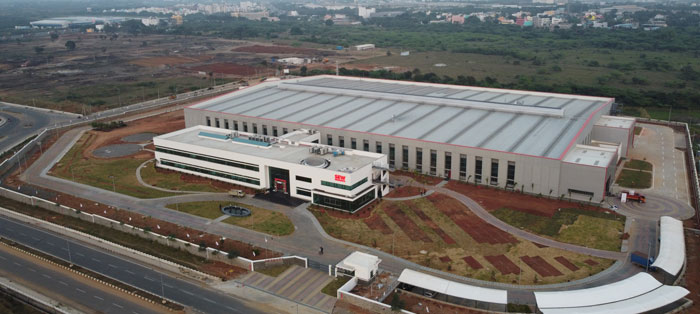
The new facility strengthens SEW-EURODRIVE India’s manufacturing, assembly and service capabilities
SEW-EURODRIVE India has inaugurated a new Drive Technology Centre (DTC) in Chennai, marking a significant expansion of its manufacturing and service infrastructure in South India. The facility is positioned to enhance the company’s responsiveness and long-term support capabilities for customers across southern and eastern regions of the country.
Built across 12.27 acres, the facility includes a 21,350-square-metre assembly and service setup designed to support future industrial growth, evolving application requirements and capacity expansion. The centre reflects the company’s long-term strategy in India, combining global engineering practices with local manufacturing and service capabilities.
The new facility has been developed in line with green building standards and incorporates sustainable features such as natural daylight utilisation, solar power generation and rainwater harvesting systems. The company has also implemented energy-efficient construction and advanced climate control systems that help reduce shopfloor temperatures by up to 3°C, improving production stability, product quality and working conditions.
A key highlight of the centre is the 15,000-square-metre assembly shop, which features digitisation-ready assembly cells based on a single-piece flow manufacturing concept. The facility also houses SEW-EURODRIVE India’s first semi-automated painting booth, aimed at ensuring uniform surface finish and improving production throughput.
With the commissioning of the Chennai Drive Technology Centre, SEW-EURODRIVE India continues to strengthen its manufacturing footprint and reinforces its long-term commitment to supporting industrial growth and automation development in India.
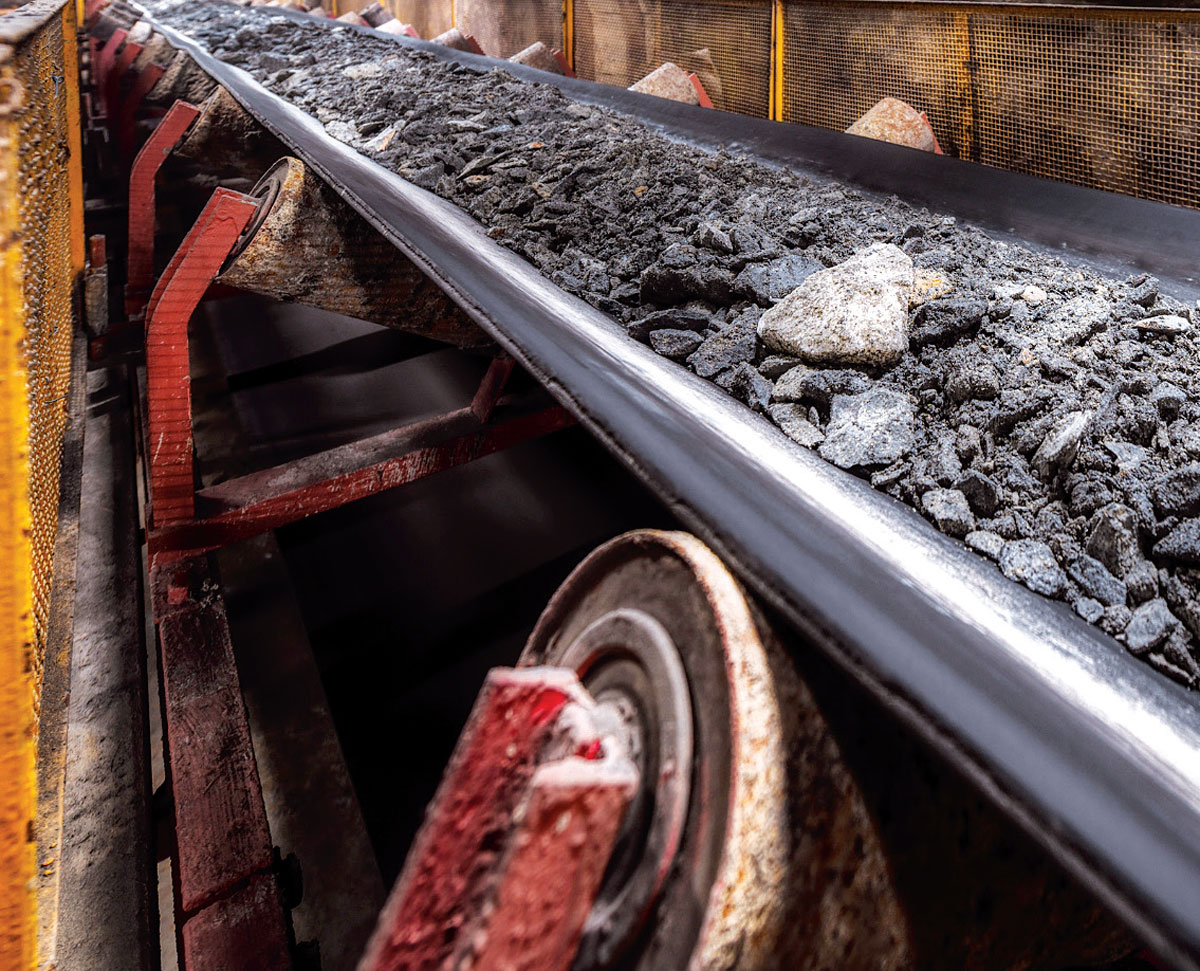
We explore how material handling systems are becoming strategic assets in cement plants, enabling efficient movement of raw materials, clinker and finished cement. Advanced conveying, automation and digital technologies are improving plant productivity while supporting energy efficiency and sustainability goals.
Material handling systems form the operational backbone of cement plants, enabling the efficient movement of raw materials, clinker and finished cement across complex production networks. With India’s cement industry producing over 391 million tonnes of cement in FY2024 and possessing an installed capacity of around 668 mtpa, according to the CRISIL Research Industry Report, 2025, efficient material logistics have become critical to maintaining plant productivity and cost competitiveness. At the same time, cement production is highly energy intensive and contributes around 7 per cent to
8 per cent of global CO2 emissions, making efficient material flow and logistics optimisation essential for reducing operational inefficiencies and emissions states the International Energy Agency Cement Technology Roadmap, 2023. As plants scale capacity and integrate digital technologies, modern material handling systems, ranging from automated conveyors to intelligent stockyards, are increasingly recognised as strategic assets that influence plant stability, energy efficiency and environmental performance.
Strategic role of material handling
Material handling is no longer viewed as a secondary utility within cement plants; it is now recognised as a strategic system that directly influences production efficiency and process stability.
Cement manufacturing involves the continuous movement of large volumes of limestone, clay, additives, clinker and finished cement across multiple production stages. Even minor disruptions in conveying systems or storage infrastructure can lead to kiln feed fluctuations, production delays and significant financial losses. According to Indian Cement Industry Operational Benchmarking Study, 2024, unplanned downtime in large integrated cement plants can cost between Rs.15–20 lakh per hour, highlighting the economic importance of reliable material handling systems.
Modern cement plants are therefore investing in advanced mechanical handling systems designed for high throughput and operational reliability. Large integrated plants can process over 10,000 tonnes per day of clinker, requiring highly efficient conveying systems and automated stockyards to maintain continuous material flow, suggests the International Cement Review Industry Analysis, 2024. Efficient material handling also reduces spillage, minimises dust emissions and improves workplace safety. As cement plants become larger and more technologically advanced, the role of material handling is evolving from simple transport infrastructure to a critical operational system that supports both productivity and sustainability.
From quarry to plant
The transport of raw materials from quarry to processing plant represents one of the most energy-intensive stages of cement production. Traditionally, limestone and other raw materials were transported using diesel-powered trucks, which resulted in high fuel consumption, dust generation and increased operational costs. However, modern plants are increasingly adopting long-distance belt conveyors and pipe conveyors as a more efficient alternative. These systems allow continuous material transport over distances of 10–15 kilometres, significantly reducing fuel consumption and operating costs while improving environmental performance, states the FLSmidth Cement Industry Technology Report, 2024.
Milind Khangan, Marketing Manager, Vertex Market Research & Consulting, says, “Efficient and enclosed handling of fine materials such as cement, fly ash and slag requires modern pneumatic conveying systems. By optimising the air-to-material ratio, these systems can reduce energy consumption by 10 per cent to 15 per cent while ensuring smooth material flow. Closed-loop conveying further minimises dust loading and improves the performance of bag filters, supporting cleaner plant operations. In addition, flow-regulated conveying lines help prevent clogging and maintain reliable dispatch performance. Overall, automation in pneumatic conveying delivers immediate operational benefits, including improved equipment uptime, lower energy use, reduced material spillage and more stable kiln and mill performance.”
Pipe conveyor systems are particularly gaining traction because they provide a completely enclosed transport system that prevents material spillage and dust emissions. According to global cement engineering studies, conveyor-based transport can reduce energy consumption by up to 30 per cent compared to truck haulage, while also improving operational reliability. Several cement plants in India have already implemented such systems to stabilise quarry-to-plant logistics while reducing carbon emissions associated with diesel transport.
Stockyard management and homogenisation
Stockyards play a critical role in maintaining raw material consistency and stabilising kiln feed quality. Modern cement plants use advanced stacker and reclaimer systems to ensure efficient storage and blending of raw materials before they enter the grinding and pyroprocessing stages. Automated stacking methods such as chevron or windrow stacking enable uniform distribution of materials, while bridge-type or portal reclaimers ensure consistent extraction during kiln feed preparation. These systems are essential for maintaining stable chemical composition of raw meal, which directly influences kiln efficiency and clinker quality. The Cement Plant Operations Handbook, 2024 indicates that advanced homogenisation systems can reduce raw mix variability by up to 50 per cent, significantly improving kiln stability and energy efficiency. Integrated stockyard management systems also incorporate sensors for monitoring bulk density, moisture levels and stockpile volumes, enabling real-time control over material blending processes.
Clinker and cement conveying technologies
Once clinker is produced in the kiln, it must be efficiently transported to storage silos and subsequently to grinding and packing units. Modern cement plants rely on high-capacity belt conveyors, bucket elevators and pneumatic conveying systems to manage this stage of material flow. Steel-cord belt bucket elevators are now capable of lifting materials to heights exceeding 120 metres with capacities reaching 1,500 tonnes per hour, making them suitable for large-scale clinker production lines, states the European Cement Engineering Association Technical Paper, 2023.
For fine materials such as cement, fly ash and slag, pneumatic conveying systems provide a reliable and dust-free solution. These systems transport powdered materials using controlled airflow, ensuring enclosed and contamination-free movement between grinding units, silos and packing stations. Optimised pneumatic systems can reduce energy consumption by 10 per cent to 15 per cent compared to older conveying technologies, while also improving plant cleanliness and environmental compliance, according to the Global Cement Technology Review, 2024.
Automation and digitalisation
Digitalisation is transforming material handling systems by introducing real-time monitoring, predictive maintenance and automated control. Advanced sensors and Industrial Internet of Things (IIoT) platforms enable plant operators to track conveyor health, stockpile levels and equipment performance in real time. Predictive maintenance systems analyse vibration patterns, temperature fluctuations and equipment load data to detect potential failures before they occur. According to McKinsey’s Industry 4.0 Manufacturing Report, 2023, for heavy industries, digital monitoring and predictive maintenance technologies can reduce equipment downtime by up to 30 per cent and increase productivity by 10 per cent to 15 per cent. Digital control centres also integrate data from conveyors, stacker reclaimers and dispatch systems, enabling centralised management of material flows from quarry to dispatch.
Handling of AFR
The growing adoption of Alternative Fuels and Raw Materials (AFR) has introduced new challenges and opportunities for material handling systems in cement plants. AFR materials such as refuse-derived fuel (RDF), biomass and industrial waste often have irregular particle sizes, variable moisture content and lower bulk density compared to conventional fuels. As a result, specialised storage, dosing and feeding systems are required to ensure consistent kiln combustion. According to the Cement Sector Decarbonisation Roadmap published by NITI Aayog in 2026, increasing the use of AFR could enable India’s cement sector to achieve thermal substitution rates of around 20 per cent in the coming decades. To support this transition, plants are investing in automated receiving stations, shredding units, drying systems and precision dosing equipment to stabilise AFR supply and combustion performance.
Energy efficiency and dust control
Material handling systems also play a crucial role in improving plant energy efficiency and environmental performance. Modern conveyor systems equipped with variable speed drives and energy-efficient motors can significantly reduce electricity consumption. Permanent magnet motors used in conveyor drives can deliver 8 per cent to 12 per cent energy savings compared to conventional induction motors, improving overall plant energy efficiency according to the IEA Industrial Energy Efficiency Study, 2023. Dust control is another major concern in cement plants, particularly during material transfer and storage operations. Enclosed conveyors, dust extraction systems and advanced bag filters are widely used to minimise particulate emissions and improve workplace safety.
Future trends in material handling
The future of material handling in cement plants will be shaped by automation, digitalisation and sustainability considerations. Emerging technologies such as AI-driven logistics optimisation, autonomous mobile equipment and digital twins are expected to further improve plant efficiency and operational visibility. Digital twin models allow engineers to simulate material flow patterns, optimise stockyard operations and predict equipment performance under different operating conditions. According to the International Energy Agency Digitalisation and Energy Report, 2024, the adoption of advanced digital technologies could improve industrial energy efficiency by up to 20 per cent in heavy industries such as cement manufacturing. As cement plants expand capacity and adopt low-carbon technologies, intelligent material handling systems will play a critical role in maintaining productivity and reducing environmental impact.
Conclusion
Material handling systems have evolved from basic transport infrastructure into strategic operational systems that directly influence plant efficiency, reliability and sustainability. From quarry transport and automated stockyards to digital dispatch platforms and advanced conveying technologies, modern material handling solutions enable cement plants to manage large production volumes while maintaining process stability.
As India’s cement industry continues to expand to meet infrastructure and urban development demands, investments in advanced material handling technologies will become increasingly important. By integrating automation, digital monitoring and energy-efficient systems, cement manufacturers can improve operational performance while supporting the industry’s long-term sustainability and decarbonisation goals.
- Kanika Mathur
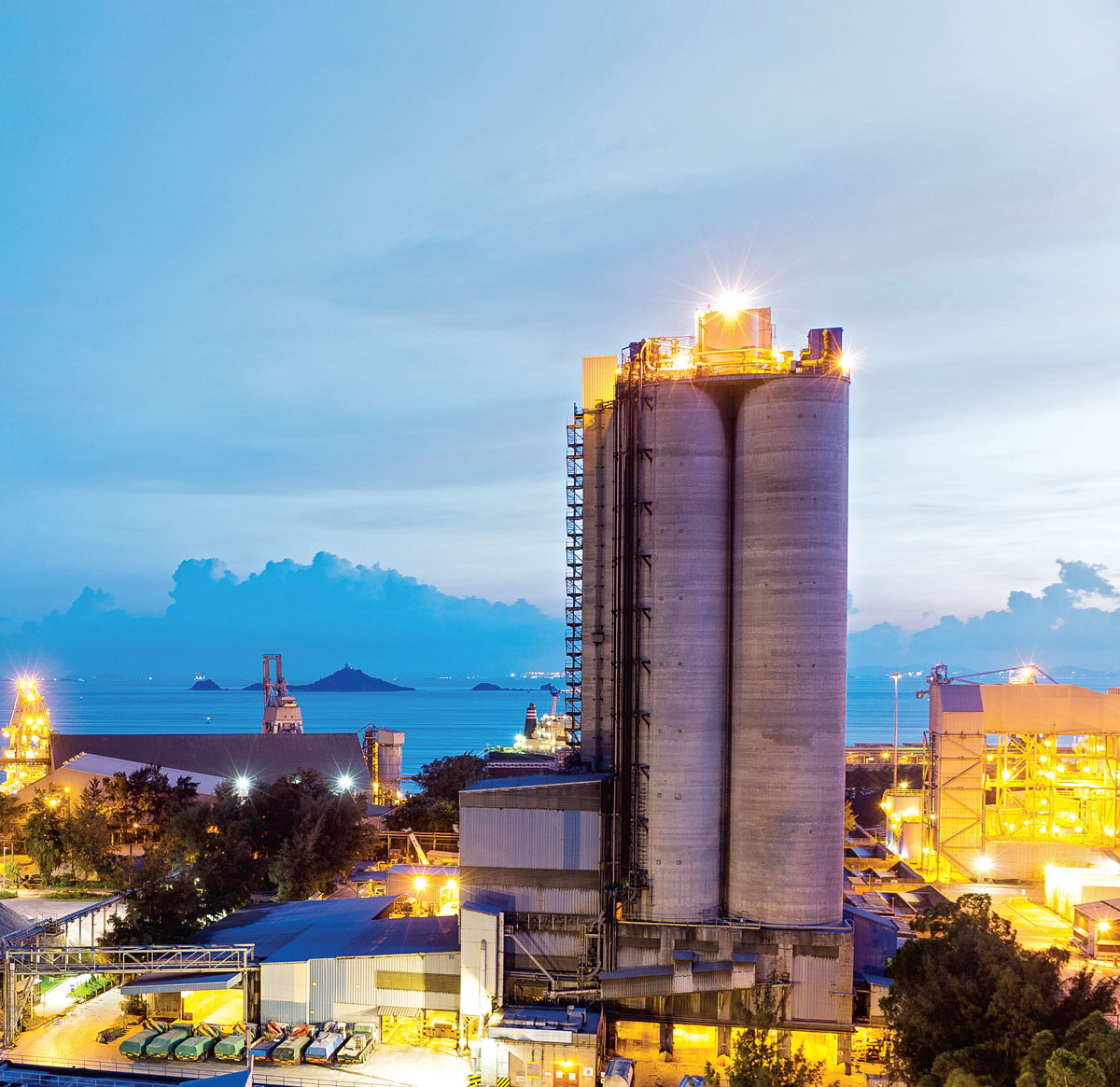
Cement plant modernisation is reshaping the industry through upgrades in
kilns, energy systems, digitalisation, AFR integration and advanced material
handling. We explore these technologies that improve efficiency, reduce
emissions, strengthen competitiveness, while preparing the industry for India’s
next phase of infrastructure growth.
India’s cement industry, the world’s second-largest, is undergoing a rapid transformation driven by infrastructure demand, decarbonisation targets and technological advancement. The sector’s installed capacity stood at approximately 668 million tonnes per annum (mtpa) in FY2025 and is projected to reach 915–925 mtap by 2030, supported by large-scale capacity expansions and infrastructure investment cycles, suggests CRISIL Intelligence Industry Report, 2025. At the same time, cement production remains highly energy intensive and contributes about 6 per cent to 7 per cent of India’s total greenhouse gas emissions, making efficiency improvements and modernisation critical for long-term sustainability as stated in CareEdge ESG Research, 2025. As a result, cement manufacturers are investing in advanced kiln technologies, digital monitoring systems, waste heat recovery, alternative fuels, and modern material handling infrastructure to enhance productivity while aligning with global decarbonisation pathways.
Need for modernisation
The need for plant modernisation is closely linked to the sector’s rapid capacity expansion and rising operational complexity. India’s installed cement capacity has grown significantly in the last decade and is expected to exceed 900 mtpa by 2030, driven by demand from housing, infrastructure and urban development projects, as per the CRISIL Intelligence Industry Report, 2025. However, increasing scale also places pressure on energy efficiency, logistics, and production stability. The report also suggests that the cement plants must upgrade equipment and processes to operate at higher utilisation rates, which are projected to reach 75 per cent to 77 per cent by the end of the decade, compared to around 72 per cent to 74 per cent in FY2026.
Environmental imperatives are another major driver of modernisation. Cement manufacturing is responsible for a significant share of industrial emissions because clinker production requires high-temperature processes that depend heavily on fossil fuels. According to CareEdge ESG research, the cement sector contributes 6–7 per cent of India’s total greenhouse gas emissions, with approximately 97 per cent of emissions arising from direct fuel combustion and process emissions in kilns. Consequently, plant modernisation initiatives now focus not only on productivity improvements but also on reducing emissions intensity, energy consumption, and reliance on conventional fuels.
“One of the most impactful upgrades implemented at Shree Cement in the last five years has been the adoption of advanced data management platforms that provide real-time visibility across major process areas. This digital advancement has strengthened plant automation by enabling faster and more accurate responses to process variations while improving the reliability of control loops. Real-time dashboards, integrated analytics and automated alerts now support quicker, data-driven decision-making, helping optimise kiln and mill performance, improve energy control and detect deviations early. By consolidating data from multiple systems into a unified digital environment, the company has enhanced operational consistency, reduced downtime and improved both productivity and compliance. This shift towards intelligent automation and real-time data management has become a key driver of operational excellence and future-ready plant management,” says Satish Maheshwari, Chief Manufacturing Officer, Shree Cement.
Kiln and pyroprocessing upgradation
The kiln remains the technological heart of cement manufacturing, and modernisation efforts often begin with upgrades to pyroprocessing systems. Many older plants in India operate with four- or five-stage preheaters, while modern plants increasingly adopt six-stage preheater and pre-calciner systems that significantly improve heat efficiency and clinker output. These systems enhance heat transfer, reduce fuel consumption, and stabilise kiln operations under high throughput conditions.
Professor Procyon Mukherjee suggests, “Cement manufacturing is, at its core, a thermal process. The rotary kiln and calciner together account for energy consumption and emissions. The theoretical thermal requirement for clinker production is around 1700–1800 MJ per tonne, yet real-world plants often operate far above this benchmark due to inefficiencies in combustion, heat recovery and material flow. Modernisation, therefore, must begin with the
kiln system, and not peripheral automation or
isolated upgrades. The shift from wet to dry process kilns, combined with multi-stage preheaters and precalciners, has already delivered step-change improvements, making dry kilns nearly 50 per cent more energy efficient.”
Recent investment programmes across the industry have included kiln cooler upgrades, advanced burners, and improved refractory materials designed to increase operational reliability and reduce specific heat consumption. Such upgrades are essential because cement production remains highly energy intensive, and continuous efficiency improvements are required to meet global decarbonisation targets. According to the International Energy Agency (IEA) Cement Tracking Report, 2023, the cement sector must achieve annual emissions intensity reductions of around 4 per cent through 2030 to align with global net-zero scenarios.
Energy efficiency and WHRS
Energy efficiency remains one of the most important areas of modernisation in cement manufacturing, given the sector’s heavy reliance on thermal and electrical energy. Modern plants deploy advanced process controls, efficient grinding systems, and improved combustion technologies to reduce specific energy consumption. The adoption of energy-efficient technologies is particularly important in India, where energy costs account for a large share of production expenses. As demand grows and plants expand capacity, improving energy performance becomes essential to maintain competitiveness.
Waste Heat Recovery Systems (WHRS) have emerged as a key solution for improving plant energy efficiency. During cement production, large volumes of high-temperature gases are released from kilns and coolers. WHRS technology captures this waste heat and converts it into electricity, thereby reducing reliance on external power sources. According to energy benchmarking studies for the Indian cement industry, installed waste heat recovery capacity in the sector has reached approximately 840 MW, with an additional potential of around 500 MW states the Green Business Centre, Energy Benchmarking Report, 2023. Several leading producers have already implemented large WHRS installations; for example, UltraTech Cement has deployed systems with around 121 MW of waste heat recovery capacity, reducing carbon emissions by nearly 0.5 million tonnes annually according to the Energy Alternatives India Case Study, 2024.
Integration of AFR
The integration of Alternative Fuels and Raw Materials (AFR) is another critical dimension of cement plant modernisation. AFR refers to the use of industrial waste, biomass, refuse-derived fuel (RDF), and other non-fossil materials as substitutes for conventional fuels such as coal and petcoke. Increasing the use of AFR helps reduce fossil fuel consumption while simultaneously addressing waste management challenges. According to the NITI Aayog Decarbonisation Roadmap, 2026, scaling the use of RDF and other alternative fuels could enable the sector to achieve thermal substitution rates of around 20 per cent in the coming decades.
However, integrating AFR requires significant plant modifications and operational adjustments. Waste-derived fuels often have inconsistent calorific values, higher moisture content, and heterogeneous physical properties compared to traditional fuels. As a result, modern plants invest in advanced fuel preparation systems, dedicated feeding equipment, and automated dosing technologies to ensure stable kiln operation. These upgrades allow plants to maintain consistent clinker quality while increasing the share of alternative fuels in their energy mix.
Digitalisation and smart plant operations
Digitalisation is rapidly transforming cement plant operations by enabling data-driven decision-making and predictive maintenance. Industry 4.0 technologies such as IoT sensors, artificial intelligence (AI), and advanced analytics are now used to monitor equipment performance, optimise process parameters, and anticipate maintenance requirements. These digital tools enable plant operators to detect early signs of equipment failure, minimise unplanned downtime, and improve operational efficiency. Predictive maintenance systems, for example, analyse vibration, temperature, and acoustic signals from rotating equipment to identify potential faults
before they escalate into major breakdowns. Digital twins and integrated control systems further allow operators to simulate plant performance under different scenarios and optimise production strategies. Such technologies are becoming increasingly important as cement plants operate at larger scales and higher levels of process complexity.
Maheshwari also adds, “Plant modernisation is also increasingly central to the global competitiveness of Indian cement manufacturers. As cost pressures rise across energy, logistics and regulatory compliance, modern plants offer the structural efficiency required to operate reliably and competitively over the long term. Technologies such as AI-driven Advanced Process Control (APC) integrated with real-time data systems are emerging as essential investments for the future. These platforms use predictive algorithms, machine learning and live process inputs to optimise kiln, mill and utility operations with greater precision than traditional control systems. By continuously analysing variations in feed chemistry, temperature profiles, energy demand and equipment behaviour, APC enables stable operations, lower specific energy consumption, reduced emissions and improved product consistency. As regulatory expectations tighten and plants pursue higher efficiency with lower carbon intensity, AI-enabled APC will play a crucial role in strengthening automation, enhancing decision-making and ensuring long-term operational resilience.”
Modern material handling and logistics
Material handling systems play a critical role in ensuring smooth plant operations and efficient logistics. Modern cement plants rely on advanced conveying systems, automated stockyards, and digital dispatch platforms to manage the movement of raw materials, clinker, and finished cement. Long-distance belt conveyors and pipe conveyors are increasingly replacing truck-based transport between quarries and plants, reducing fuel consumption, dust emissions, and operational costs. Automated stacker-reclaimers ensure consistent blending of raw materials,
which improves kiln stability and clinker quality. Meanwhile, advanced packing and dispatch systems equipped with high-speed rotary packers and robotic palletisers enhance throughput and reduce manual labour. These technologies allow cement plants to optimise logistics efficiency while supporting higher production capacities.
Emission control and environmental compliance
Environmental compliance has become a central focus of cement plant modernisation as regulators and investors place greater emphasis on sustainability performance. Modern plants deploy advanced emission control technologies such as high-efficiency bag filters, electrostatic precipitators, and selective non-catalytic reduction systems to reduce particulate matter and nitrogen oxide emissions.
Sine Bogh Skaarup, Vice President, Head of Green Innovation and R&D, Fuller Technologies says, “One of our key focus areas is decarbonisation. We help cement producers reduce CO2 and overall carbon emissions. We offer alternative fuel solutions and calcined clay technologies to enable the production of LC3 cement, which play a significant role in decarbonising the cement industry. By combining alternative fuels and calcined clay solutions, CO2 emissions can be reduced by up to 50 per cent, making this a highly impactful approach for sustainable cement production.”
Continuous emission monitoring systems are increasingly used to track environmental performance in real time and ensure compliance with regulatory standards. In addition to air pollution control, cement companies are also investing in water recycling systems, renewable energy integration, and carbon reduction initiatives. These measures are essential for aligning the sector with national climate goals and improving the environmental footprint of
cement manufacturing.
Economic benefits and future outlook
Beyond environmental and operational advantages, cement plant modernisation also delivers significant economic benefits. Energy efficiency improvements, digital process optimisation, and advanced material handling systems reduce operating costs and improve asset utilisation. Waste heat recovery and alternative fuels help lower fuel expenditure and reduce exposure to volatile fossil fuel markets. As the industry expands capacity to meet growing demand, modernised plants are better positioned to achieve higher productivity and maintain profitability. The long-term outlook for the sector remains positive, with India expected to continue large-scale infrastructure investments in roads, housing, railways, and urban development.
Milan R Trivedi, Vice President – Projects, Prod & QC, MR, Shree Digvijay Cement, says, “The main focus in case of modernisation projects drives through the investment decision, which is mainly based on IRR and impact on overall efficiency improvement, cost optimisation and improvement in reliability. However, there are certain modernisation, which has high impact on environmental impact, statutory requirements, etc. has higher priority irrespective of ROI or payback period.”
“The energy efficiency and reliability investment projects generally provide fast return on investment whereas strategic, digitalisation and environmental investment projects provide long term and compounded benefits. Typical modernisation investment projects are decided with IRR of about > 20 per cent, payback period of typically 2-3 years for fast-track projects,” he adds.
In this context, modernisation will remain a key strategic priority for cement manufacturers seeking to maintain competitiveness in an increasingly sustainability-focused market.
Conclusion
The modernisation of cement plants is no longer a purely technical upgrade but a strategic transformation that reshapes how the industry operates. As India’s cement sector expands capacity toward the next growth cycle, improvements in energy efficiency, digitalisation, alternative fuels and advanced logistics will determine the competitiveness of individual plants. Modern technologies allow producers to operate at higher productivity levels while simultaneously reducing energy consumption and emissions intensity.
Looking ahead, the pace of technological adoption will play a decisive role in shaping the future of
the cement industry. Companies that successfully integrate modern equipment, digital systems, and sustainable production practices will be better positioned to meet rising infrastructure demand while aligning with global climate commitments. In this evolving landscape, plant modernisation stands as the cornerstone of both operational excellence and environmental responsibility.
- Kanika Mathur


Ultra Concrete Age

NCB Signs MoU With Cement Manufacturer To Boost Construction Skills

JSW Cement Commissions Nagaur Plant, Enters North India

Cement Prices Likely To Rise As Petcoke Costs Increase

IIT Guwahati Develops Radiation-Resistant Cement Mortar
Ultra Concrete Age
NCB Signs MoU With Cement Manufacturer To Boost Construction Skills
JSW Cement Commissions Nagaur Plant, Enters North India
Cement Prices Likely To Rise As Petcoke Costs Increase