Connect with us

Concrete

Socially committed

Published

on

Shares

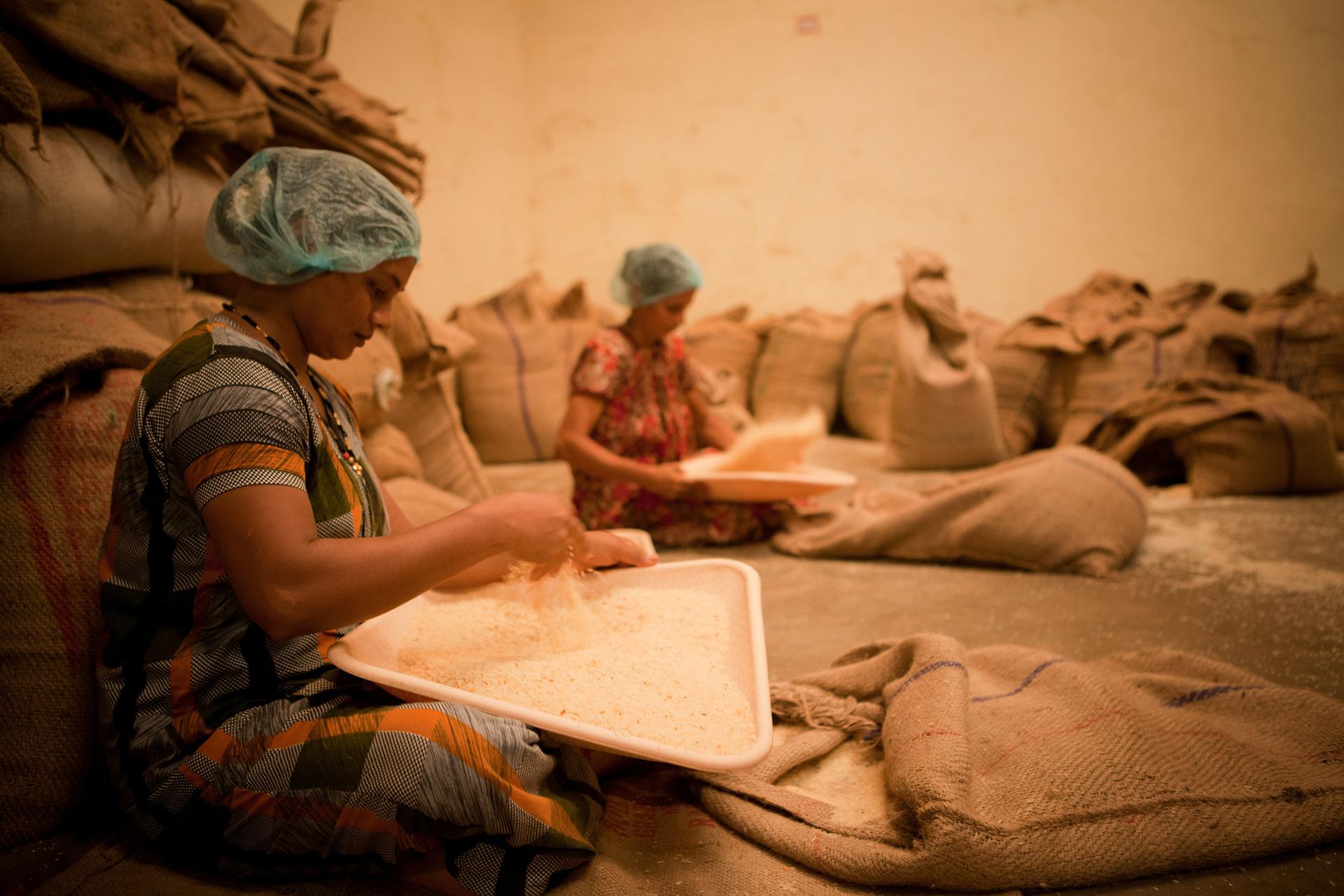
Corporate Social Responsibility (CSR), a management concept that integrates social and environmental concerns, is a widely used and practised term. From philanthropy to environmental sustainability, CSR covers a gamut of verticals. ICR looks at the ongoing CSR initiatives of companies to understand how a unified platform works to maximise their impact.

Corporate Social Responsibility (CSR), according to the United Nations Industrial Development Organisation, is a management concept whereby companies integrate social and environmental concerns in their business operations and interactions with their stakeholders CSR is generally understood as being the way through which a company achieves a balance of economic, environmental and social imperatives (‘Triple-Bottom-Line-Approach’), while at the same time addressing the expectations of shareholders and stakeholders In this sense it is important to draw a distinction between CSR, which can be a strategic business management concept, and charity, sponsorships or philanthropy.  

India is the second largest producer of cement in the world with more than seven per cent installed capacity globally. The industry plays a binding and pivotal role in building the socio-economic environment of the nation, development of infrastructure and education sector by spending millions in their CSR activities. 

Increasing accountability

According to the CSR Journal, India, as of financial year 2020, the top five cement companies that have taken CSR seriously and have given back to the society are Ultratech Cement with a spend of over Rs 125 crore and betterment of 16 lakh lives, followed by Ambuja Cement with a spend of Rs 53.97 crore reaching to people in 44 locations through 11 states, followed by Shree Cement with a spend of Rs 40.47 crore working for the betterment of around 255 villages, followed by ACC Cement with a spend of 32 crores and Ramco Cements with a spend of Rs 14.99 crores.  

Governing policies 

In August 2013, the Companies Act 2013 replaced the Companies Act of 1956. The new act introduced changes in businesses that affect company formation, administration, and governance, and incorporates an additional section, Section 135, a clause on Corporate Social Responsibility obligations for companies listed in India. This clause covered essential prerequisites pertaining to the execution of CSR activities of a business, like fund allotment, reporting, and successful project implementation. 

Post the replacement of the Companies Act 1956, India in April 2014 became the first country to legislate the need to undertake CSR activities and mandatorily report CSR initiatives under the new Companies Act 2013. 

-Kanika Mathur

Click here to read more

Concrete

Ramco Cements’ Hard Worker Campaign Wins Seven Awards

Campaign earns honours for direction, editing and cinematography

Published

on

By

Shares


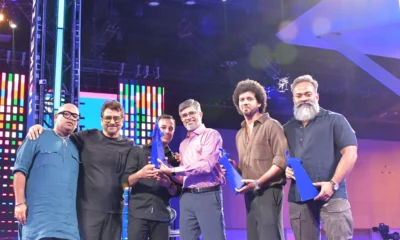
The Hard Worker campaign by The Ramco Cements has secured seven honours at the Good Ads Matter Awards 2026, adding to its growing list of accolades and reinforcing its standing among the year’s most recognised advertising campaigns.
The awards were presented during the Good Ads Matter Awards Night 2026 held at Mehboob Studios in Mumbai. The campaign received recognition across multiple categories, highlighting excellence in direction, editing, cinematography and storytelling.
Among the honours, the campaign won Silver in the Campaign of the Year – Direction category, while filmmaker Prakash Varma was named Director of the Year for the films Tortoise & Hare and Eco Plaster. Tortoise & Hare also received Silver awards for Best Editing and Best Colour Grading, along with a Bronze award for Best Cinematography. Eco Plaster earned Bronze awards in the Best Direction – Narrative and Best Direction – Humour categories.
Both films extended their award-winning run, with Eco Plaster being recognised for its narrative centred on water conservation through innovative construction solutions, while Tortoise & Hare was honoured for its storytelling and craft execution.
The Hard Worker campaign was built around the idea that hard work deserves recognition and respect. Through culturally rooted and emotionally engaging stories, the campaign has connected with consumers, engineers, masons and the wider construction community across the country.
Commenting on the achievement, A V Dharmakrishnan, CEO of The Ramco Cements Limited, said that the continued recognition across leading creative platforms reflects the company’s commitment to meaningful and authentic communication rooted in the values of the people it serves.
Balaji K Moorthy, Executive Director – Marketing, The Ramco Cements Limited, said the awards recognise the craftsmanship behind the storytelling, from direction and cinematography to editing and narrative execution.
Following recognition at both the Kyoorius Creative Awards and the Good Ads Matter Awards, the Hard Worker campaign continues to demonstrate the impact of purpose-driven storytelling combined with strong creative execution and consumer relevance.

Continue Reading

Concrete

Cement Makers Reaffirm Commitment to Sustainable Growth

Published

on

By

Shares

World Environment Day spotlight on innovation and circularity

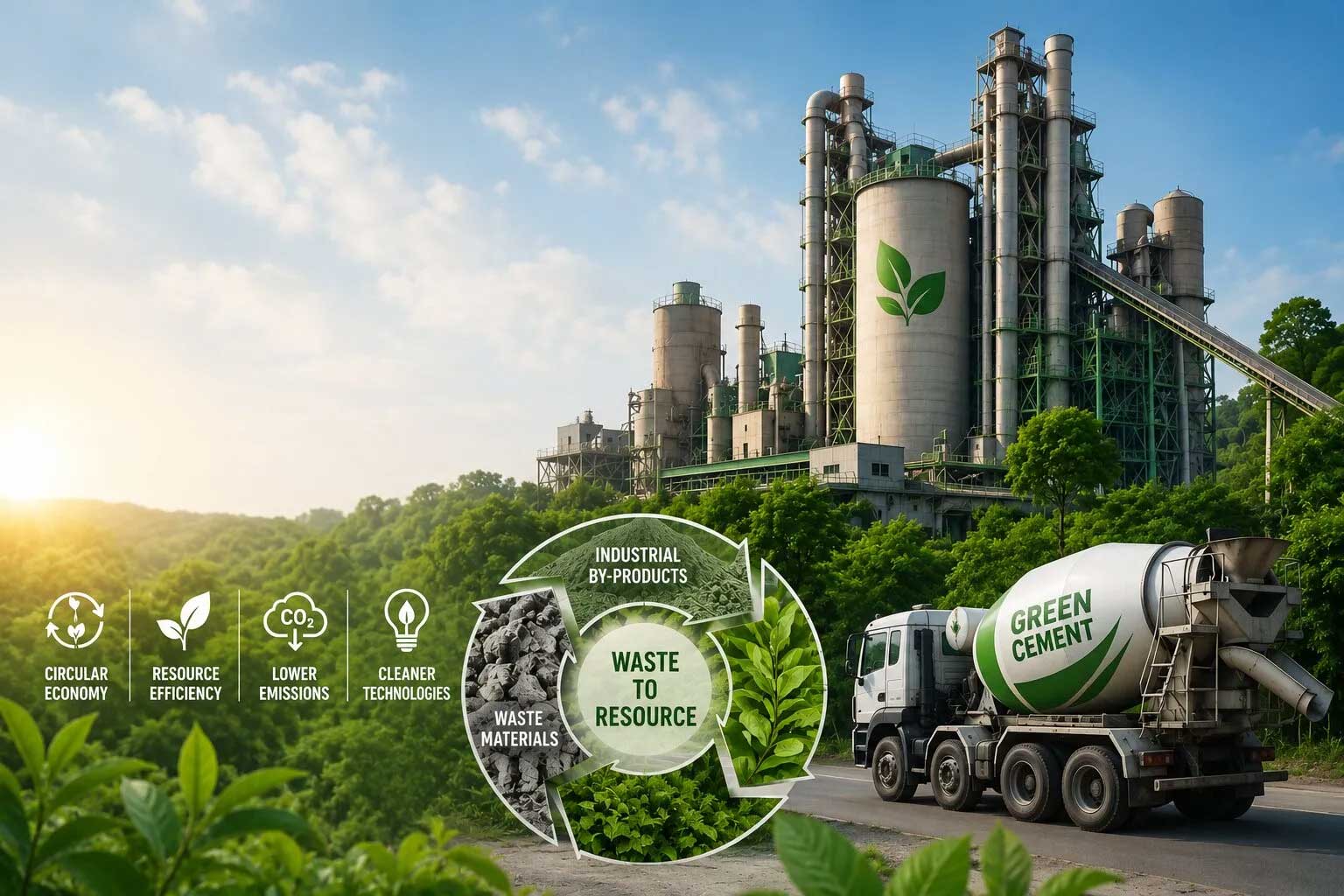
On World Environment Day, the Indian cement industry reiterated its commitment to supporting India’s climate ambitions through sustainable manufacturing, resource efficiency and the adoption of cleaner technologies.

The Cement Manufacturers’ Association (CMA) said the sector remains aligned with the Government of India’s Net Zero commitments and is accelerating efforts to reduce its environmental footprint while supporting the country’s infrastructure and development agenda.

Parth Jindal, President, CMA and Managing Director, JSW Cement, said the industry is increasingly adopting cleaner technologies, improving energy efficiency and expanding the use of alternative fuels and raw materials. He also highlighted the growing importance of circular economy practices, where industrial by-products and waste streams from one sector are utilised as resources in another.

“The Indian Cement Industry is aligned to the Government’s commitments on carbon mitigation and is accelerating the adoption of cleaner technologies, resource efficiency and circular economy practices while actively exploring the potential of Carbon Capture, Utilisation and Storage (CCUS) as a critical pathway for deep decarbonisation,” said Jindal.

He added that coprocessing industrial waste and by-products helps conserve natural resources, reduce disposal requirements and lower the environmental footprint across multiple sectors.

According to Jindal, sustainability is no longer limited to manufacturing processes but is increasingly influencing investment decisions, innovation strategies and long-term growth plans within the industry.

Echoing similar views, Dr Raghavpat Singhania, Vice President, CMA and Managing Director, JK Cement, said sustainable development extends beyond emissions reduction and must also focus on responsible resource utilisation and waste minimisation.

“Sustainability in the built environment cannot be measured by emissions alone. It is equally about how efficiently we use resources, how effectively we minimise waste and how responsibly we create the infrastructure that will serve future generations,” said Singhania.

He noted that the cement industry is advancing its sustainability agenda through greater resource efficiency, increased circularity, technological innovation and continuous improvements in manufacturing practices. As a key contributor to India’s infrastructure development, the sector has a critical role to play in balancing economic growth with environmental responsibility.

On the occasion of World Environment Day, industry leaders reaffirmed their commitment to supporting India’s climate goals while delivering the materials required for resilient, durable and sustainable infrastructure.

 

Continue Reading

Concrete

Building a Greener Future Together

Published

on

By

Shares

Environmental sustainability requires immediate action, not just long-term commitments and discussions. Recycling, circular economy practices, and technology-driven waste management can help industries reduce environmental impact while supporting sustainable growth.

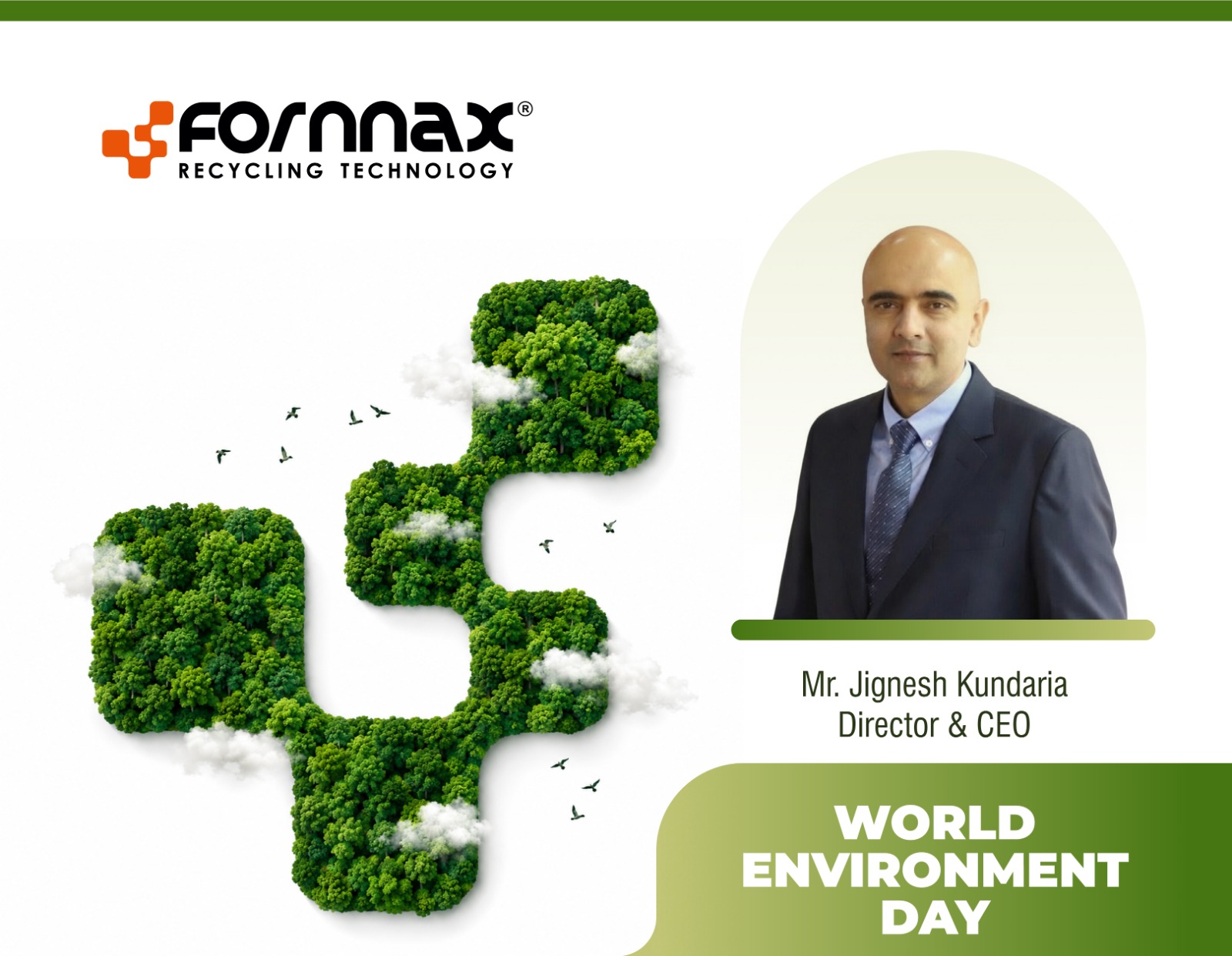
Author: Jignesh Kundaria, Director and CEO, Fornnax Technology

World Environment Day serves as an important reminder that environmental sustainability can no longer remain confined to discussions, reports, or long-term commitments. The environmental challenges facing the world today demand immediate, measurable, and collective action. Across industries and communities, waste generation continues to outpace our ability to process it responsibly, placing increasing pressure on ecosystems, natural resources, public health, and the well-being of future generations.

One of the most significant shifts required today is a change in how society perceives waste. Rather than being viewed as a material to be discarded, waste must be recognised as a valuable resource that can contribute to both economic growth and environmental protection when managed through the right technologies and systems. This mindset forms the foundation of the circular economy model that countries across the world are increasingly adopting to reduce landfill dependence, recover valuable materials, and create more sustainable industrial ecosystems.

India has made meaningful progress in strengthening awareness around sustainability, recycling, and environmental responsibility over the past decade. Significant efforts are being made to formalise the recycling sector through improved infrastructure, technology adoption, policy implementation, and broader stakeholder participation. These developments are creating a stronger foundation for responsible waste management and resource recovery across the country.

However, achieving long-term environmental impact requires collaboration from all stakeholders. Industries, policymakers, technology providers, and communities must work together with greater accountability to strengthen recycling ecosystems, encourage responsible waste management practices, and create sustainable outcomes through consistent execution rather than temporary interventions.

As someone closely associated with the recycling industry, I firmly believe that technology will play a decisive role in addressing future environmental challenges. Advanced recycling systems have the potential to recover valuable resources, reduce pollution, minimise landfill burdens, and conserve energy, creating a more sustainable future for generations to come. This belief is deeply reflected in Fornnax’s motto, “Committed to Create a Green Future,” which embodies our commitment to building long-term environmental value through innovation and responsible action.

At the same time, technology alone cannot deliver meaningful change. Real progress requires intent, awareness, participation, and a shared sense of responsibility. Sustainable development can only be achieved when innovation is supported by collective action and a genuine commitment to environmental stewardship.

On this World Environment Day, let us move beyond conversations and take meaningful steps towards creating a cleaner, greener, and more sustainable planet. By embracing innovation, strengthening recycling ecosystems, and acting responsibly today, we can create lasting environmental impact and secure a better future for generations to come.

Continue Reading

Video Thumbnail

    SIGN-UP FOR OUR GENERAL NEWSLETTER


    Trending News