Concrete
MIO coating for concrete structures is required when both pollution and humidity levels are high


Professor Anand Khanna, Chairman, Society For Surface Protective Coatings India (SSPC) and Surface Engineering and Coating Consultant (SECC), is a specialist in high temperature corrosion, high temperature coatings, organic coatings and surface modifications.
Professor Anand Khanna, Chairman, Society For Surface Protective Coatings India (SSPC) and Surface Engineering and Coating Consultant (SECC), is a specialist in high temperature corrosion, high temperature coatings, organic coatings and surface modifications. In this interview, he elaborates on the use of Micaceous Iron Oxide (MIO) coating for anti-carbonisation of concrete structures.
What inspired you to start your research?
Material analysis is one of the most important components for establishing a new industry or creating or fabricating a new structure. The life of the component depends upon the material. Today there are so many steel super alloys used in sophisticated structures. Firstly, if material selection is not done properly, the life of the structure cannot be calculated.
Secondly, given that the most pressing issue is corrosion, material stability is very important. given that the most important problem is corrosion. As the environment is polluted, steel gets corroded. When steel or other materials are used for construction, they need to be properly protected. Surface engineering is taking care of the surface of the material to give suitable protection and that makes this an important subject in any kind of material.
Thirdly, all kinds of studies, even failure analysis, start with surface analysis, so it is important to understand the reason for deterioration of the material.
What is the kind of paint testing done in your lab and how does it help the construction industry?
Paint coating is one part of surface engineering. The Indian market is worth Rs 70,000 crores while the global market is $1.8 billion. Paint analysis is required because there are three categories of companies in paint manufacturing – high class MNC, middle level and low level companies.
When paint is used for large projects such as refineries, it needs test certification from a laboratory, preferably under the government. Ours is a private lab under the name of surface engineering and coating consultant, which is accredited with NABL. This certification ensures the lab’s credibility with equipment that are as per the international standards.
Tell us about the anti-carbonisation testing and coating developed or tested at your lab.
Calcium oxide is the main component of concrete. When concrete comes in contact with CO2 in the environment, it gets absorbed by the concrete and part of calcium oxide turns into calcium carbonate. That starts some kind of deterioration of concrete. When it reaches the steel concrete interface, the pH falls and some kind of steel corrosion occurs, leading to formation of iron carbonate. As the pollution is increasing, the problem is also increasing, which means when you make concrete structures, we have two solutions. One is to modify the concrete by adding construction chemicals that reduce the intake of carbon dioxide or apply a suitable coating on the concrete surface as a finishing product. Most of the coatings are acrylic based, which have a tendency to stop carbon dioxide diffusion.
Paint companies give us samples for testing. We create a free film of paint in an aluminium cup in which the paint is kept with a solution of potassium chloride. This mixture is kept in high pressure equipment and CO2 is passed through it. When it is passed under pressure, it diffuses through the coating and carbonate is formed. As it forms, its weight increases. We measure the weight increase in time to get 2-3 values to understand the diffusion coefficient of CO2 through the coating. Based on this, the decarbonisation of coating is determined.
Tell us more about use of anti- carbonising coating in the current infrastructure of the country?
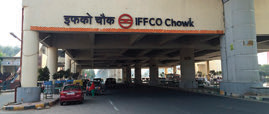
To take the example of Mumbai, which has high levels of moisture and CO2 in the air, concrete structures such as flyovers and bridges tend to deteriorate fast. When a Micaceous Iron Oxide (MIO) Epoxy based coating , which is light bluish coating, is applied, it doesn’t allow CO2 to enter into the concrete. In places like Delhi where pollution levels are high but moisture levels are not, the situation is not so dangerous. Moisture in the air along with airborne chlorides spur the carbonation process. Since airborne chlorides have suspended salt and gaseous content, they can affect corrosion significantly (given that salt is corrosive).
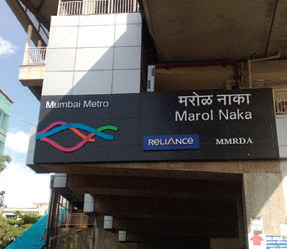
Therefore, anti-carbonation is important. For instance, the Mumbai Metro construction is not using MIO coating, and the structure has started leaking. I had written to Mumbai Metropolitan Region Development Authority (MMRDA) explaining to them how the life of the structure will be affected in the absence of this coating but they are yet to take heed of my warnings. The black concrete structures that are a common sight in our country indicate how porous the structures have become and how fast chloride can diffuse now.
Is the MIO Epoxy coating used widely? What are its key components?
It is not required for all structures in all kinds of environments. MIO Epoxy coating for concrete structures is required when both pollution and humidity levels are high. The damage due to CO2 in humidity less than 50 per cent is just one micron damage per year compared to 20 micron damage per year if the humidity is 90 per cent. Delhi has high levels of pollution, yet it’s metro structures are robust as there is no humidity in the environment. Coastal towns like Mumbai and Chennai need to use MIO Epoxy coating on their concrete structures. This coating comes with additives that block CO2 movement.
What is the impact of anti-carbonising coating on the environment as compared to normal coating?
If you put anti-carbonation coating it will enhance the life of the structure, normal coating will not be able to protect the concrete and the damage will be faster. Coating is not harmful to the environment; it helps in sustaining the life of the concrete structure. Architectural coatings can be modified with additives to ensure durability of concrete.
How are these coatings priced?
Normal coating is Rs 250-350 per litre. By adding additives to make the coating an anti-carbonation one adds Rs 10-20 to the per litre cost.
What technological innovations can be seen and expected in the upcoming year?
One of the biggest innovations occurring is functional coating. It refers to the use of coating as per the function of the structure. Such a coating can be modified and is customisable. Nano technology is another innovation in the offing, wherein very small additions are made to enhance the structure to a great extent. The next innovation is smart coatings, which means, the coatings which are self cleaning, self healing, anti-microbial, anti-fungal and conductive coating.
Kanika Mathur



Steel: Shielded or Strengthened?

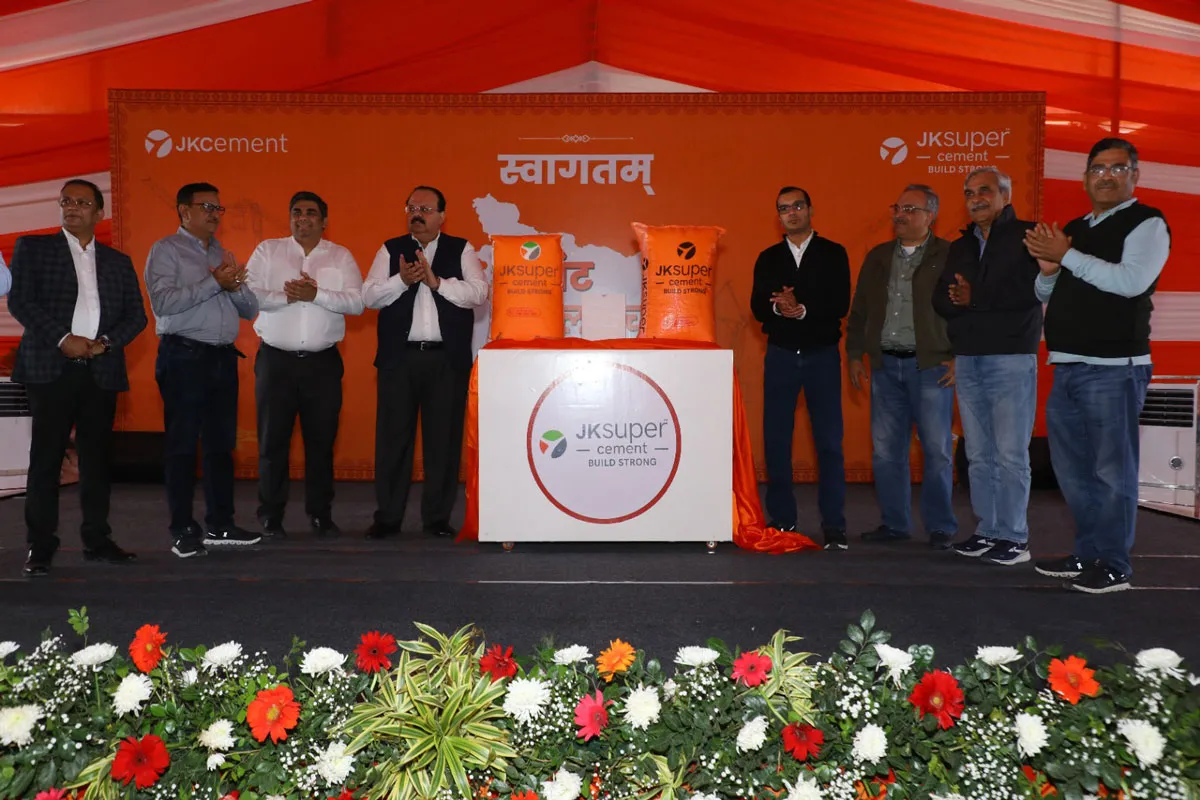
JK Cement Commissions 3 MTPA Buxar Plant, Crosses 31 MTPA

JK Cement Crosses 31 MTPA Capacity with Commissioning of Buxar Plant in Bihar

NITI Aayog Unveils Decarbonisation Roadmaps

Aris Secures Rs 630 Million Concrete Supply Order
Steel: Shielded or Strengthened?
JK Cement Commissions 3 MTPA Buxar Plant, Crosses 31 MTPA
JK Cement Crosses 31 MTPA Capacity with Commissioning of Buxar Plant in Bihar
NITI Aayog Unveils Decarbonisation Roadmaps