Concrete
Safety first!


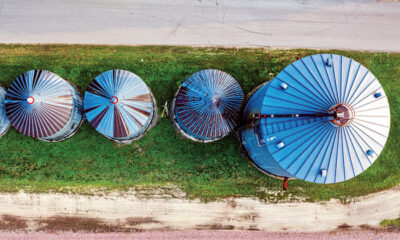
Confined spaces include, but are not limited to, tanks, vessels, silos, storage bins, hoppers, pre heater tower, kiln platform, cooler ducts, quarry locations, vaults, pits, manholes, tunnels, equipment housings, ductwork, pipelines, etc.
A confined space is an area that is large enough to bodily enter and perform work, has limited means of entry or exit and is not intended for continuous occupancy. All three of these criteria must apply for an area to be classified as a confined space. Confined spaces are characterized by poor ventilation and have the potential for having a hazardous atmosphere. The configuration of a confined space may restrict rescue efforts and can often result in the injury or death of poorly prepared or trained rescuers. Based on the safety audit and past incidences it is possible to identify confined spaces in every plant and it is necessary for the plant management to have a list of such locations.
Most Common Hazards
The main hazard when working in a confined space is the atmosphere due to the presence of carbon monoxide, hydrogen sulfide, and methane gas that may result in oxygen deficiency or asphyxiation. Outside the confined space, 21 percent Oxygen is necessary to sustain life. Oxygen in confined spaces tends to go low. It might be used for rust, bacterial growth, and slime. Other gas may enter the confined space and displace the oxygen. Operations like heating will consume oxygen.
If oxygen is reduced to 12 to 16 percent, workers will increase pulse and respiration and experience loss of coordination. If the oxygen decreases to 6 to 10 percent, they will experience nausea, vomiting, loss of consciousness, and even death.
Other common confined space hazards include unguarded machinery, exposed live wires, and heat stress. Confined space accidents are a major concern in various industries due to their hazards. Confined space training; outlines the skills and protocols for safe entry to confined spaces which includes hazards, risks and precautions. Confined spaces include, but are not limited to, tanks, vessels, silos, storage bins, hoppers, pre heater tower, kiln platform, cooler ducts, quarry locations, vaults, pits, manholes, tunnels, equipment housings, ductwork, pipelines, etc. Work in confined space can kill or cause injuries in any industries, ranging from those involving complex area to simple storage. They includes not only people working in the confined space, but also for the managers, supervisors and other personal associated with confined space, who are without adequate training.
Monitor the Atmosphere
Atmospheric monitoring is the first and most critical rule, as most fatalities in confined spaces are the result of atmospheric problems. Remember, your nose is not a gas detector ??some hazards have characteristic odors and others do not. Even when you can detect the presence of a hazard, you cannot determine the extent of that hazard. Some materials may even deaden your sense of smell after short exposure, which can deceive you into thinking the problem has gone away, when in fact your ability to smell it is all that went away.
The only reliable method for accurate detection of atmospheric problems is instrument monitoring. Basic confined space atmospheric monitoring should routinely include oxygen concentration and flammable gases and vapors. OSHA regulations require the oxygen concentration to be between 19.5 and 23.5 percent and flammable vapors or gases to be below
10 percent of the lower explosive limit (LEL).
But regulatory limits provide only minimal protection. Best practices dictate that any variation from normal (20.9 percent oxygen and 0 percent LEL) should be investigated and corrected prior to entering the space.
Toxic monitoring requires an evaluation of potential atmospheric contaminants before you even determine how the monitoring will be performed. Simply put, this means you must establish what you need to look for in order to determine what equipment to use. The following digital instruments are available for common toxic contaminants:
Electrochemical sensors measure carbon monoxide, hydrogen sulfide, sulfur dioxide, ammonia, chlorine, and several other materials.Infrared sensors measure carbon dioxide and several other materials.
Photo ionization and flame ionisation detectors will measure volatile organic compounds (VOCs) at the parts per million (ppm) level. This may be required if solvent vapors are present. These vapors will exceed the limits for inhalation long before they will be detected with most LEL meters. Colorimetric tubes can be used to determine if a toxic contaminant is present in situations where no digital instrument is available.A thorough assessment of the atmospheric conditions in the space must be completed before entering the space, and should be continued during the entire entry.

Eliminate or Control Hazards
All hazards identified during the hazard assessment must be eliminated or controlled prior to entering the space.Elimination, the preferred method for dealing with hazards, means that a hazard has been handled in a way that it cannot possibly have an impact on the operation. For example, a properly installed blank eliminates the hazard of material being introduced through a pipe.
Ventilate the Space
Your approach to atmospheric problems should be to correct the condition prior to entry, and ventilation and related activities are the best options for correcting these problems.Forced-air ventilation is generally the most effective approach for confined space entry operations. This technique dilutes and displaces the atmospheric contaminants in the space. Exhaust ventilation works best when a single-point source, such as welding, is the cause of the atmospheric contaminant.
Introduced air must be fresh. Use caution to avoid introducing hazards such as having the inlet of the ventilation setup too near the exhaust of a vehicle. Sufficient volume for the size of the space must be used. The length of duct and the number of bends in the duct can significantly reduce airflow and must be considered.

Use Proper Personal Protective Equipment
Proper personal protective equipment (PPE) should be the last line of defense. Elimination and control of hazards should be done whenever possible. PPE is essential when the hazards present cannot be eliminated or controlled through other means. PPE that meets the specific hazard must be readily available to the work crew. And personnel must be trained and competent in the proper use of the equipment. It is equally important that supervisors insist on proper use.
Isolate the Space
Isolation of the space should eliminate the opportunity for introducing additional hazards through external connections. This includes lockout of all powered devices associated with the space, such as electrical, pneumatic, hydraulic, and gaseous agent fire control systems. Piping isolation may be completed with blanks, by disconnecting piping, or with a double block-and-bleed arrangement. A single valve is not adequate isolation.
Know the Attendant?? Role
An outside attendant must be present to monitor the safety of the entry operation, to help during an emergency, and to call for assistance from outside if that becomes necessary. The attendant?? role is primarily to help ensure that problems do not escalate to the point where rescue is needed. If an entrant does get injured or overcome, the attendant is to call for help and use external retrieval if available. This attendant must never enter the space during emergencies ??multiple fatality incidents in confined spaces usually result from people attempting rescue.
Be Prepared for Rescues
Any equipment required for rescue must be available to those who are designated to use it. External retrieval equipment that may be used by the attendant must be in place when appropriate. More advanced rescue equipment for entry-type rescues must be available to the designated rescue crew.You must ensure that the rescue crew is properly equipped to handle rescue for the particular situation. For example, if the rescue crew for your facility has self-contained breathing apparatus (SCBA) and your spaces do not have large enough openings for the SCBA to pass through, the rescue crew will not be able to perform effectively. In this case, they should be equipped with airline breathing apparatus with escape cylinders.
Use Good Lighting
Lighting is important for two primary reasons: You cannot safely perform in environments where you cannot see adequately, and lighting failure can cause fear. Anyone who is uncomfortable inside a well-lit confined space may become afraid if the lighting fails, and fear can cause people to behave irrationally and injure themselves or others.The entrant should always have at least one backup source of lighting, so if cord lights are used, the entrant should also carry a flashlight.
Plan for Emergencies
You must assume you will have emergencies. While your efforts to prevent them need to be constant, odds are good that you will have to deal with at least a minor emergency if you engage in confined space entry over a long enough period.Emergencies may not even have anything to do with the confined space, but if the entrant is in the space at the time of the emergency, prompt and effective action is required. If your entry crew is prepared for this emergency, it may be handled without a problem. If preparationsare not adequate, the emergency may easily turn into a fatal incident.
Emphasize Constant Communication
Effective communications are critical to safe operation and are the string that ties all the other activities together. Communication must be maintained between entrants and the attendant. The attendant must also be able to contact the entry supervisor and call for emergency help.None of these steps is complex or difficult, but they still provide the layout for a basic, safe approach to confined space entry. Be aware that the next time you read about a confined space fatality, at least one of these general rules was probably violated. And do your best to ensure that I won?? ever read about one of your entries.
Contractors
Health and Safety regulations apply equally to Contractors and their employees working onsite; contracts with Contractors should specify the rights and duties of each party in this respect. The contracted party?? ability to work safely should be a major selection criterion.Health and safety shall be effectively managed on work sites. This shall include where appropriate suitable, regular safety audits of the work undertaken by the contractor.Contractors are actively assisted/ supported in safety matters. It will be ideal to rate the contractor on safety parameters and these safety records are taken into account before awarding any new work. Poor safety performance shall not be tolerated and to result in early termination.
Training
The training on safety should be top driven so that it will have wide acceptance and importance. Proper record of safety training should be maintained with HR department and to be taken into account before promotion. Safety training of new recruits, temporary workmen, and casual employees is as important as that of normal employees.
Communication
Communication is an important factor of the safety initiative. This shall include information on the site?? safety plan, provide feedback on performance and actions taken,learning points to prevent injuries. It encourages a free flow of information.
– VIKAS DAMlE











Concrete
Steel: Shielded or Strengthened?
CW explores the impact of pro-steel policies on construction and infrastructure and identifies gaps that need to be addressed.


FORNNAX Appoints Dieter Jerschl as Sales Partner for Central Europe

Budget 2026–27 infra thrust and CCUS outlay to lift cement sector outlook

Steel: Shielded or Strengthened?

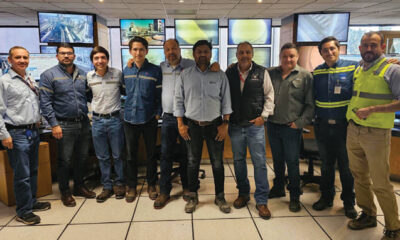
JK Cement Commissions 3 MTPA Buxar Plant, Crosses 31 MTPA

JK Cement Crosses 31 MTPA Capacity with Commissioning of Buxar Plant in Bihar
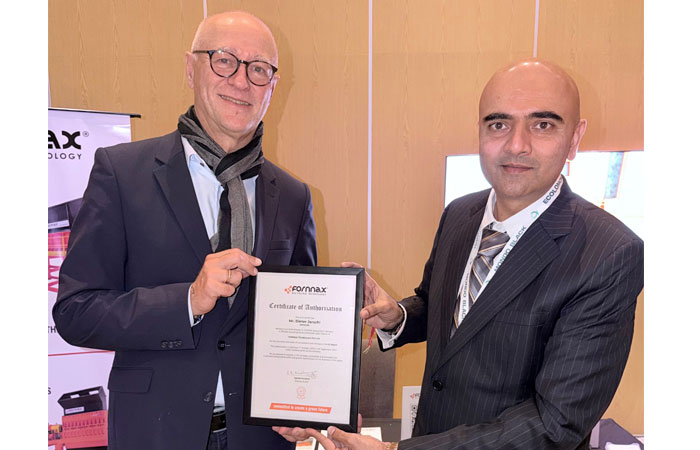
FORNNAX Appoints Dieter Jerschl as Sales Partner for Central Europe
Budget 2026–27 infra thrust and CCUS outlay to lift cement sector outlook
Steel: Shielded or Strengthened?
JK Cement Commissions 3 MTPA Buxar Plant, Crosses 31 MTPA