Economy & Market
Failures of ?Gearbox and Drives?

Published
11 years agoon
By
admin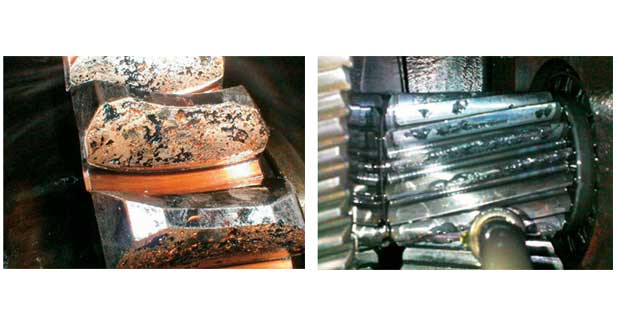
It is a pain area for the plant management team when the gear drive fails and it is more difficult to arrive at the correct cause of failure. S Sengupta & A Ray Chowdhury from Sprat Consultancy elaborates on some of the common causes of failures, also suggests remedial measures.
The idea of putting pen to paper regarding gear drives seems to be a daunting task. One is apprehensive as to where to begin and to what degree to write is a nerve racking proposition as majority of the readers are qualified, sound practical engineers who are associated with industrial plants such as cement, power, metals, etc. Experience confirms that a meaningful insight on the subject requires around three working days and if fourth day could be added by way of site visit with discussions on practical problems, works out a ?win-win? situation for all.
An endeavour is however being made to jot down some thoughts that may serve as pre curser from selection to use of drives. The order of narration is not sacrosanct and not all encompassing. It is just a brief write up on few attributes hoping it will provoke the mind of concerned personnel be it users or project/technical personnel. Use of gear drives in a system does not imply just operational; it encompasses what happens within a drive train and requirements to achieve desired performance life hence design life.
In many instances over the past 38 years, we have come across failures in drives caused by lack of insight or foresight or lack of correct data or its understanding during selection of drive. A common failure, but not frequent, is lack of perception of what all is to be handled &/or power required to drive the system.
An example that readily comes to mind is in a greenfield cement plant around early 1980s: the external consultant confirmed motor power, application, operating hours per day, etc. and wanted a drive with a safety factor (SF) of 2.5. This particular gear drive was 1 amongst 65 others. It was the only one that was prone to frequent failure to the tune of once every three months. Review of actual operating data confirmed actual power consumed was 40 per cent higher than confirmed during project design & planning leading to premature failures.
Another instance of premature failures observed in a cement plant in Western India of a twin drive bucket elevator where input drive was through fluid coupling. After a year of satisfactory operation failures commenced with regularity in one of the gear drives in the arrangement. As they were imported gearboxes not much hue and cry was raised initially. Replacements from two indigenous producers also failed in the same manner and frequency leading to a pantomime at the plant. Analysis of the drive arrangement confirmed power consumed by individual drives differed by over six per cent. In such a scenario, failure was inevitable and plant further confirmed that after a year one drive motor had burnt out requiring rewinding. Rewinding is common accepted process but what is equally important is that in a twin drive synchronisation of input power is of utmost importance of within two per cent variance. Since synchronise of input power no further failures occurred over a decade.
There are many other instances of failures we often recollect as observed over the last four decades. In all instances failures have taken place for:
- Incomplete or inadequate clarity of specification at initial stage.
- Lack of appreciation of specification, which is more dangerous.
- Hypothesis by OEM of likely operational parameters viz a viz specification thus incorrect supply.
- Augmenting capacity after year/s of use and not sharing data with supplier or supplier not appreciating information conveyed which must be well defined.
In short whatever are the circumstances in life (we consider gear drives also a form of life) it takes two to speak the truth to form an understanding and thus realisation. In the field of machine dynamics the same applies; dialogue between user and supplier must be continual and without inhibition or prejudice. In other words partnership is required with frank exchanges, irrespective of how insignificant the information may appear, to eliminate misgivings consequently failures.
The more this realisation dawns on all in a B2B scenario and quicker the better for all concerned resulting in reliability of operations. Failures are phenomena that cannot be totally ruled out even with best intentions of user and supplier. Any failure, irrespective of its occurrence, within or beyond the warranty period or after extended period of use is relevant at all times towards better and improved designs unless failure occurs beyond design life of rolling elements. This information should be shared with factual details unambiguously.
It is common for most designers to design critical drives, irrespective of type/size &/or application considering a life of 100,000 hours for gears/pinions and around 60,000 hours for bearings. Indirectly, to a large extent, bearing life sets the set point for case hardened and ground gears/pinions although theoretically it has an infinite life.
The question therefore arises why premature failures occur within warranty period or shortly thereafter. One of the primary reasons for failure beyond warranty period is governed by the quality of lubricating oil being used. Often quality is misunderstood with viscosity grade. Quality per ?say? has no relation to viscosity grade; it refers to the cleanliness of the oil.
- Lubricating oil needs to be maintained clean and the desired level is NAS6 for industrial application other than turbine drives. This value of NAS6 also applies to wind mill drives and speed increasers as opposed to high speed drives. The cleanliness value of NAS6 does not readily register with users and to some extent with suppliers of gear drives. To put it mildly, check oil directly from a sealed barrel supplied by OEM for its NAS value and you will invariably find it anywhere around NAS10 or worse. Do not assume it happens only with indigenous supplies as it is far from the truth. Checks conducted with top brand sealed oil drums, indigenous or imported, confirm this is normal and common.
- The onus thus lies with users to appreciate why oil cleaning is required and how does it improve the performance as well as life of the gear drive. It is safe to conclude, which concurs with our observation, that organisation which maintains lubricating oils health is less prone to premature failures. They invariably enhance the life of their drives by any where up to 30% higher than others for same drive conditions. This phenomena can be observed in an organisation &/or plant to plant operations but sadly data and findings are rarely pooled.
- Another disturbing fact is often lubricating oil is procured on price consideration only and neglect issues such as scuffing, scoring, wet-ability etc properties.
- Cost differential between normal mineral oil containing higher levels of sulphur and phosphorous in relation to vacuum distilled mineral oils is around 75-80 per cent more but the usable life of oil, if cleanliness maintained around NAS6, will justify the extra cost as life will be minimum double of normal mineral oil. A cement plant in Eastern India has continually achieved life of three times that of normal mineral oils there by not only resulting in huge savings to the organisation by way of less oil consumption and frequent shutdowns for changing oil.
- Do note, normal mineral oils with higher levels of sulphur and phosphorous have an greater affinity to absorb moisture from the atmosphere leading to formation of sulphuric & phosphoric acids; both are very harmful towards life of bearings, seals and last but not least internal preservative paints applied to gearbox housing walls adding to further contamination.
- A question we need to ask our self, as buyers we seek guarantee and warranty at the drop of a hat then why not for lubricants used?
- Another cause of failure beyond warranty period is the upkeep of breathers, seals, etc. along with external surface of the gear drive. Often it is neglected resulting in breathers getting choked &/or become an ingress point for dirt when drive is stopped. As a result we have oil seal leakages and oil contamination leading to premature failures. Such instances are quite common in conveyor drives of cement grinding section or packing plant, coal handling conveyors, etc. An excuse we at times come across for not maintaining minimal level of cleanliness is, it is not a critical drive! The same excuse is also conveyed when the gearbox is covered with dust. What fails to be appreciated by the user is damage is taking place to investments and it can has a cascading effect.
- There are numerous other instances of failures beyond warranty period but this is nether the forum or place to address these issues.
- Failures during warranty period can be generally summed up under following heads as trends prevailing in gear design are to raise power levels till it does not result in a failure while decreasing volumes thus weight leading to increasing problems of heat dissipation:
- Faulty or inadequacy of design
- Incorrect selection & use of materials for manufacture
- Incorrect selection of bearing
- Manufacturing errors
- Heat treatment errors
- Assembly errors
- Fluctuating or incorrectly defined operating parameters
- Variants from original specification supplied &/or contaminates
- Use of improper or incorrect quality of lubricant
Very rarely only one of the above mentioned causes account for failure to gear drives thus understanding and assessing gear damage requires in-depth knowledge of:
- Gear contact patterns
- Gear tooth failure types and probable causes
- Bearing failure types with probable reasons
- Lubricating oils
- Oil flow within the gear drives be it splash or forced lubrication, etc.
It is not feasible to go through all these aspects in depth through this short article but to create awareness towards minimising risks of premature failures. We as such recommend use of following documents as a starting point to improve performance of gear drives thus overall operations of a plant. The documents relate to what needs to be communicated to the prospective seller and what in return you must get from them without fail.
Info. to be given By gearbox manufacturer
1.With offer for critical drives:
Design calculation in details for safety wrt wear & strength confirming material grade, etc.
2.Along with general arrangement (GA) drawing after placement of order:
- GA drawing for all gear units, unless otherwise agreed upon, that gives full details of all manufactured part numbers and full nomenclature of proprietary parts including prefix and suffix, if any.
- Number of teeth of each pinion and gear to facilitate vibration analysis. ?Spare parts list that can be correlated with GA drawing & the part number.
- Approximate weight of gearbox.
- Direction of rotation of input and output shafts.
- GD? value of critical drives.
- In case of pressure lubrication system water and oil flow rates with pressure range. Should also specify water and oil temperature gradient envisaged between inlet and outlet.
- In case of cooling coil water flow rate and temperature gradient envisaged between inlet and outlet.
- Details of interlocking, if any required to be ensured.
Note:
- Your requirements of above data should be incorporated in your tender or enquiry or most major manufacturers will refuse to comply with the request at a later date.
- Data of number of teeth will not only facilitate vibration analysis personnel but may facilitate in rationalising spares inventory if similar gearboxes are available in the plant or if same series gearboxes are installed of sizes that are just smaller or bigger than that on order.
- Information to be given By a client
Following information are required to be furnished along with enquiry to finalise drive:
1. Prime mover – confirm type with full details like kW, rpm, Hz, type etc:
- Motor
- Turbine
- I.C. engine
2. Input coupling – specify which:
- Pin bush type flexible
- Geared coupling
- Fluid coupling
- Bibby coupling
- Tyre coupling
- Any other than that mentioned above?
Note:
- If coupling is not in the scope of gearbox supplier then its type, make, bore with tolerance of half to be mounted on gearbox are to be furnished.
- Coupling in scope of gearbox OEM then confirm motor shaft diameter & tolerance.
3. Input through belt pulley drive – confirm following:
- Pitch circle diameters of pulleys?
- Direction of rotation of input shaft looking towards it?
- Type of pulleys?
Note:
Provide sketch showing disposition of pulleys with respect to gearbox with dimensions in vertical and horizontal plane.
4. Type of gear drive:
- Configuration of gearbox required i.e. helical, bevel/helical, RH, LH etc.
- Operating hours per day?
- Minimum and maximum ambient temperature where it is installed?
- Place of installation i.e. open space, small confined area or large workshop?
- Environmental condition e.g. normal, dusty, etc.
Note:
Mention if any other speciality is required in the drive.
5. Output coupling – specify which:
- Pin bush type flexible
- Geared coupling
- Any other than that mentioned above?
Note:
- If coupling is not in the scope of gearbox supplier then its type, make, bore with tolerance of half to be mounted on gearbox are to be furnished.
- Coupling in scope of gearbox OEM; confirm machine shaft diameter & tolerance.
6. Output through Sprocket Drive:
- Pitch circle dia of sprockets?
- Direction of rotation of output shaft looking towards it?
- Maximum pull of chain?
Note:
Provide sketch showing disposition of sprockets with respect to gearbox with dimensions in vertical and horizontal plane.
7. Driven machine details:
- Cement mill, coal mill, sugar mill, belt conveyor, kiln, etc.
- Confirm if it is twin drive, etc.
- If possible specify OEM details of equipment manufacturer.

You may like
Economy & Market
SEW-EURODRIVE India Opens Drive Technology Centre in Chennai
Published
2 weeks agoon
March 25, 2026By
admin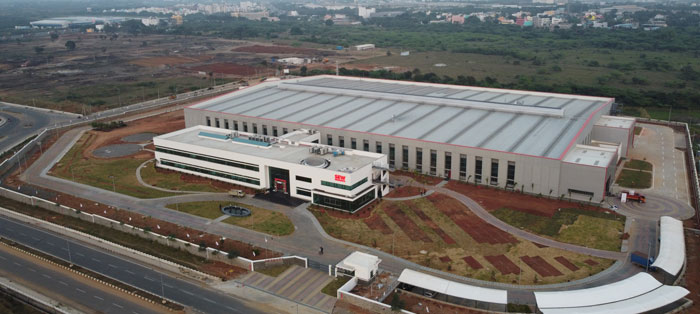
The new facility strengthens SEW-EURODRIVE India’s manufacturing, assembly and service capabilities
SEW-EURODRIVE India has inaugurated a new Drive Technology Centre (DTC) in Chennai, marking a significant expansion of its manufacturing and service infrastructure in South India. The facility is positioned to enhance the company’s responsiveness and long-term support capabilities for customers across southern and eastern regions of the country.
Built across 12.27 acres, the facility includes a 21,350-square-metre assembly and service setup designed to support future industrial growth, evolving application requirements and capacity expansion. The centre reflects the company’s long-term strategy in India, combining global engineering practices with local manufacturing and service capabilities.
The new facility has been developed in line with green building standards and incorporates sustainable features such as natural daylight utilisation, solar power generation and rainwater harvesting systems. The company has also implemented energy-efficient construction and advanced climate control systems that help reduce shopfloor temperatures by up to 3°C, improving production stability, product quality and working conditions.
A key highlight of the centre is the 15,000-square-metre assembly shop, which features digitisation-ready assembly cells based on a single-piece flow manufacturing concept. The facility also houses SEW-EURODRIVE India’s first semi-automated painting booth, aimed at ensuring uniform surface finish and improving production throughput.
With the commissioning of the Chennai Drive Technology Centre, SEW-EURODRIVE India continues to strengthen its manufacturing footprint and reinforces its long-term commitment to supporting industrial growth and automation development in India.
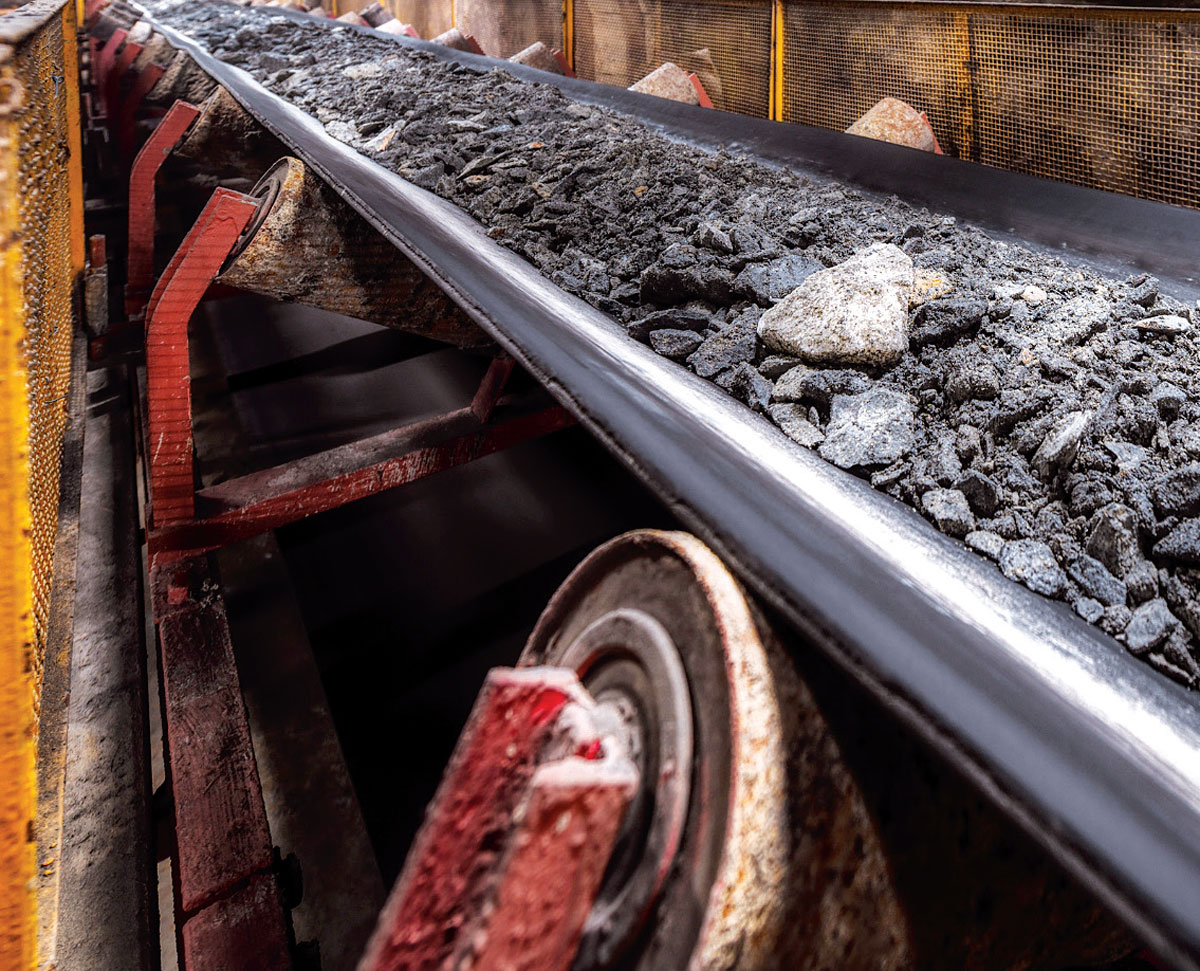
We explore how material handling systems are becoming strategic assets in cement plants, enabling efficient movement of raw materials, clinker and finished cement. Advanced conveying, automation and digital technologies are improving plant productivity while supporting energy efficiency and sustainability goals.
Material handling systems form the operational backbone of cement plants, enabling the efficient movement of raw materials, clinker and finished cement across complex production networks. With India’s cement industry producing over 391 million tonnes of cement in FY2024 and possessing an installed capacity of around 668 mtpa, according to the CRISIL Research Industry Report, 2025, efficient material logistics have become critical to maintaining plant productivity and cost competitiveness. At the same time, cement production is highly energy intensive and contributes around 7 per cent to
8 per cent of global CO2 emissions, making efficient material flow and logistics optimisation essential for reducing operational inefficiencies and emissions states the International Energy Agency Cement Technology Roadmap, 2023. As plants scale capacity and integrate digital technologies, modern material handling systems, ranging from automated conveyors to intelligent stockyards, are increasingly recognised as strategic assets that influence plant stability, energy efficiency and environmental performance.
Strategic role of material handling
Material handling is no longer viewed as a secondary utility within cement plants; it is now recognised as a strategic system that directly influences production efficiency and process stability.
Cement manufacturing involves the continuous movement of large volumes of limestone, clay, additives, clinker and finished cement across multiple production stages. Even minor disruptions in conveying systems or storage infrastructure can lead to kiln feed fluctuations, production delays and significant financial losses. According to Indian Cement Industry Operational Benchmarking Study, 2024, unplanned downtime in large integrated cement plants can cost between Rs.15–20 lakh per hour, highlighting the economic importance of reliable material handling systems.
Modern cement plants are therefore investing in advanced mechanical handling systems designed for high throughput and operational reliability. Large integrated plants can process over 10,000 tonnes per day of clinker, requiring highly efficient conveying systems and automated stockyards to maintain continuous material flow, suggests the International Cement Review Industry Analysis, 2024. Efficient material handling also reduces spillage, minimises dust emissions and improves workplace safety. As cement plants become larger and more technologically advanced, the role of material handling is evolving from simple transport infrastructure to a critical operational system that supports both productivity and sustainability.
From quarry to plant
The transport of raw materials from quarry to processing plant represents one of the most energy-intensive stages of cement production. Traditionally, limestone and other raw materials were transported using diesel-powered trucks, which resulted in high fuel consumption, dust generation and increased operational costs. However, modern plants are increasingly adopting long-distance belt conveyors and pipe conveyors as a more efficient alternative. These systems allow continuous material transport over distances of 10–15 kilometres, significantly reducing fuel consumption and operating costs while improving environmental performance, states the FLSmidth Cement Industry Technology Report, 2024.
Milind Khangan, Marketing Manager, Vertex Market Research & Consulting, says, “Efficient and enclosed handling of fine materials such as cement, fly ash and slag requires modern pneumatic conveying systems. By optimising the air-to-material ratio, these systems can reduce energy consumption by 10 per cent to 15 per cent while ensuring smooth material flow. Closed-loop conveying further minimises dust loading and improves the performance of bag filters, supporting cleaner plant operations. In addition, flow-regulated conveying lines help prevent clogging and maintain reliable dispatch performance. Overall, automation in pneumatic conveying delivers immediate operational benefits, including improved equipment uptime, lower energy use, reduced material spillage and more stable kiln and mill performance.”
Pipe conveyor systems are particularly gaining traction because they provide a completely enclosed transport system that prevents material spillage and dust emissions. According to global cement engineering studies, conveyor-based transport can reduce energy consumption by up to 30 per cent compared to truck haulage, while also improving operational reliability. Several cement plants in India have already implemented such systems to stabilise quarry-to-plant logistics while reducing carbon emissions associated with diesel transport.
Stockyard management and homogenisation
Stockyards play a critical role in maintaining raw material consistency and stabilising kiln feed quality. Modern cement plants use advanced stacker and reclaimer systems to ensure efficient storage and blending of raw materials before they enter the grinding and pyroprocessing stages. Automated stacking methods such as chevron or windrow stacking enable uniform distribution of materials, while bridge-type or portal reclaimers ensure consistent extraction during kiln feed preparation. These systems are essential for maintaining stable chemical composition of raw meal, which directly influences kiln efficiency and clinker quality. The Cement Plant Operations Handbook, 2024 indicates that advanced homogenisation systems can reduce raw mix variability by up to 50 per cent, significantly improving kiln stability and energy efficiency. Integrated stockyard management systems also incorporate sensors for monitoring bulk density, moisture levels and stockpile volumes, enabling real-time control over material blending processes.
Clinker and cement conveying technologies
Once clinker is produced in the kiln, it must be efficiently transported to storage silos and subsequently to grinding and packing units. Modern cement plants rely on high-capacity belt conveyors, bucket elevators and pneumatic conveying systems to manage this stage of material flow. Steel-cord belt bucket elevators are now capable of lifting materials to heights exceeding 120 metres with capacities reaching 1,500 tonnes per hour, making them suitable for large-scale clinker production lines, states the European Cement Engineering Association Technical Paper, 2023.
For fine materials such as cement, fly ash and slag, pneumatic conveying systems provide a reliable and dust-free solution. These systems transport powdered materials using controlled airflow, ensuring enclosed and contamination-free movement between grinding units, silos and packing stations. Optimised pneumatic systems can reduce energy consumption by 10 per cent to 15 per cent compared to older conveying technologies, while also improving plant cleanliness and environmental compliance, according to the Global Cement Technology Review, 2024.
Automation and digitalisation
Digitalisation is transforming material handling systems by introducing real-time monitoring, predictive maintenance and automated control. Advanced sensors and Industrial Internet of Things (IIoT) platforms enable plant operators to track conveyor health, stockpile levels and equipment performance in real time. Predictive maintenance systems analyse vibration patterns, temperature fluctuations and equipment load data to detect potential failures before they occur. According to McKinsey’s Industry 4.0 Manufacturing Report, 2023, for heavy industries, digital monitoring and predictive maintenance technologies can reduce equipment downtime by up to 30 per cent and increase productivity by 10 per cent to 15 per cent. Digital control centres also integrate data from conveyors, stacker reclaimers and dispatch systems, enabling centralised management of material flows from quarry to dispatch.
Handling of AFR
The growing adoption of Alternative Fuels and Raw Materials (AFR) has introduced new challenges and opportunities for material handling systems in cement plants. AFR materials such as refuse-derived fuel (RDF), biomass and industrial waste often have irregular particle sizes, variable moisture content and lower bulk density compared to conventional fuels. As a result, specialised storage, dosing and feeding systems are required to ensure consistent kiln combustion. According to the Cement Sector Decarbonisation Roadmap published by NITI Aayog in 2026, increasing the use of AFR could enable India’s cement sector to achieve thermal substitution rates of around 20 per cent in the coming decades. To support this transition, plants are investing in automated receiving stations, shredding units, drying systems and precision dosing equipment to stabilise AFR supply and combustion performance.
Energy efficiency and dust control
Material handling systems also play a crucial role in improving plant energy efficiency and environmental performance. Modern conveyor systems equipped with variable speed drives and energy-efficient motors can significantly reduce electricity consumption. Permanent magnet motors used in conveyor drives can deliver 8 per cent to 12 per cent energy savings compared to conventional induction motors, improving overall plant energy efficiency according to the IEA Industrial Energy Efficiency Study, 2023. Dust control is another major concern in cement plants, particularly during material transfer and storage operations. Enclosed conveyors, dust extraction systems and advanced bag filters are widely used to minimise particulate emissions and improve workplace safety.
Future trends in material handling
The future of material handling in cement plants will be shaped by automation, digitalisation and sustainability considerations. Emerging technologies such as AI-driven logistics optimisation, autonomous mobile equipment and digital twins are expected to further improve plant efficiency and operational visibility. Digital twin models allow engineers to simulate material flow patterns, optimise stockyard operations and predict equipment performance under different operating conditions. According to the International Energy Agency Digitalisation and Energy Report, 2024, the adoption of advanced digital technologies could improve industrial energy efficiency by up to 20 per cent in heavy industries such as cement manufacturing. As cement plants expand capacity and adopt low-carbon technologies, intelligent material handling systems will play a critical role in maintaining productivity and reducing environmental impact.
Conclusion
Material handling systems have evolved from basic transport infrastructure into strategic operational systems that directly influence plant efficiency, reliability and sustainability. From quarry transport and automated stockyards to digital dispatch platforms and advanced conveying technologies, modern material handling solutions enable cement plants to manage large production volumes while maintaining process stability.
As India’s cement industry continues to expand to meet infrastructure and urban development demands, investments in advanced material handling technologies will become increasingly important. By integrating automation, digital monitoring and energy-efficient systems, cement manufacturers can improve operational performance while supporting the industry’s long-term sustainability and decarbonisation goals.
- Kanika Mathur
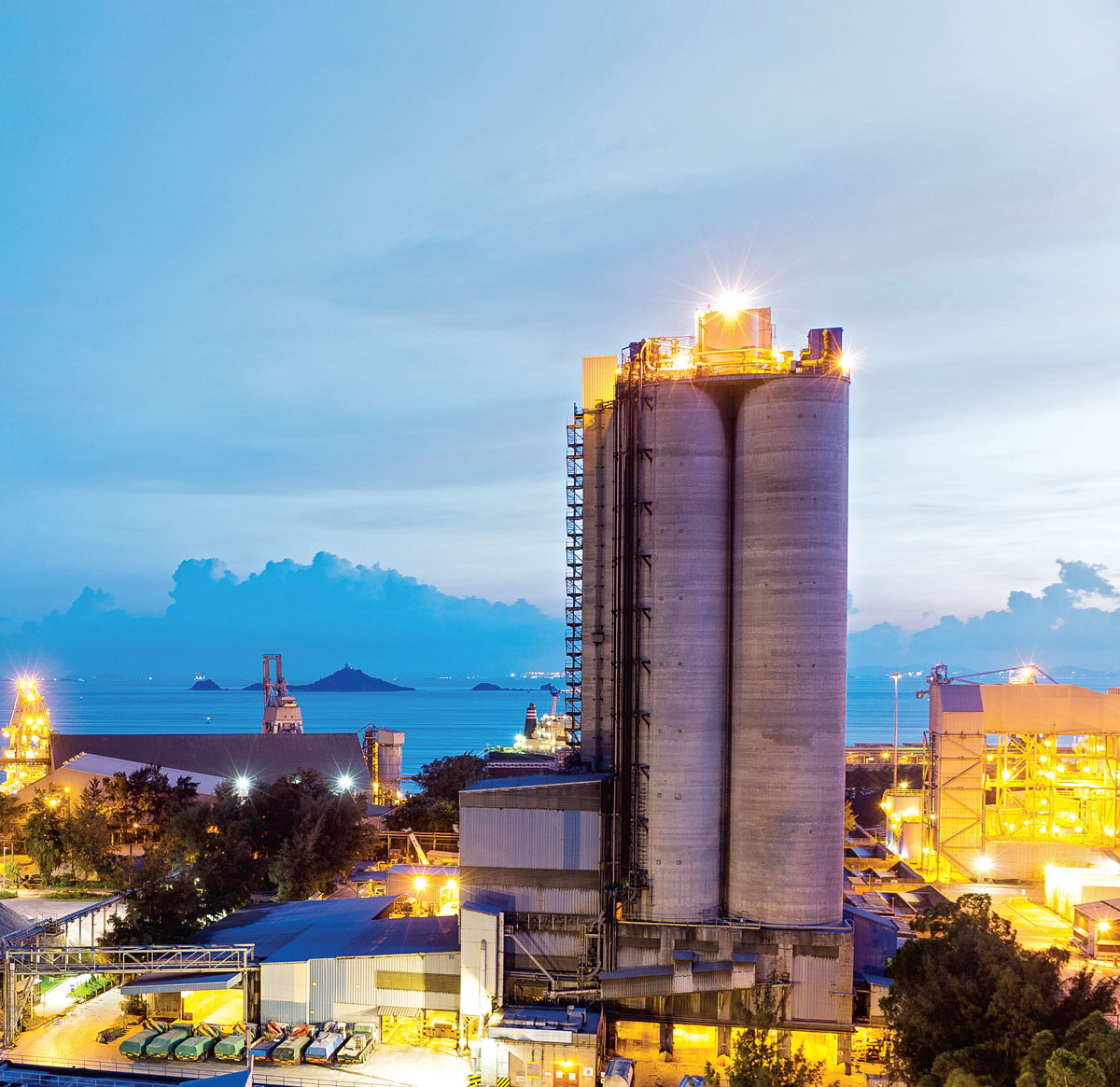
Cement plant modernisation is reshaping the industry through upgrades in
kilns, energy systems, digitalisation, AFR integration and advanced material
handling. We explore these technologies that improve efficiency, reduce
emissions, strengthen competitiveness, while preparing the industry for India’s
next phase of infrastructure growth.
India’s cement industry, the world’s second-largest, is undergoing a rapid transformation driven by infrastructure demand, decarbonisation targets and technological advancement. The sector’s installed capacity stood at approximately 668 million tonnes per annum (mtpa) in FY2025 and is projected to reach 915–925 mtap by 2030, supported by large-scale capacity expansions and infrastructure investment cycles, suggests CRISIL Intelligence Industry Report, 2025. At the same time, cement production remains highly energy intensive and contributes about 6 per cent to 7 per cent of India’s total greenhouse gas emissions, making efficiency improvements and modernisation critical for long-term sustainability as stated in CareEdge ESG Research, 2025. As a result, cement manufacturers are investing in advanced kiln technologies, digital monitoring systems, waste heat recovery, alternative fuels, and modern material handling infrastructure to enhance productivity while aligning with global decarbonisation pathways.
Need for modernisation
The need for plant modernisation is closely linked to the sector’s rapid capacity expansion and rising operational complexity. India’s installed cement capacity has grown significantly in the last decade and is expected to exceed 900 mtpa by 2030, driven by demand from housing, infrastructure and urban development projects, as per the CRISIL Intelligence Industry Report, 2025. However, increasing scale also places pressure on energy efficiency, logistics, and production stability. The report also suggests that the cement plants must upgrade equipment and processes to operate at higher utilisation rates, which are projected to reach 75 per cent to 77 per cent by the end of the decade, compared to around 72 per cent to 74 per cent in FY2026.
Environmental imperatives are another major driver of modernisation. Cement manufacturing is responsible for a significant share of industrial emissions because clinker production requires high-temperature processes that depend heavily on fossil fuels. According to CareEdge ESG research, the cement sector contributes 6–7 per cent of India’s total greenhouse gas emissions, with approximately 97 per cent of emissions arising from direct fuel combustion and process emissions in kilns. Consequently, plant modernisation initiatives now focus not only on productivity improvements but also on reducing emissions intensity, energy consumption, and reliance on conventional fuels.
“One of the most impactful upgrades implemented at Shree Cement in the last five years has been the adoption of advanced data management platforms that provide real-time visibility across major process areas. This digital advancement has strengthened plant automation by enabling faster and more accurate responses to process variations while improving the reliability of control loops. Real-time dashboards, integrated analytics and automated alerts now support quicker, data-driven decision-making, helping optimise kiln and mill performance, improve energy control and detect deviations early. By consolidating data from multiple systems into a unified digital environment, the company has enhanced operational consistency, reduced downtime and improved both productivity and compliance. This shift towards intelligent automation and real-time data management has become a key driver of operational excellence and future-ready plant management,” says Satish Maheshwari, Chief Manufacturing Officer, Shree Cement.
Kiln and pyroprocessing upgradation
The kiln remains the technological heart of cement manufacturing, and modernisation efforts often begin with upgrades to pyroprocessing systems. Many older plants in India operate with four- or five-stage preheaters, while modern plants increasingly adopt six-stage preheater and pre-calciner systems that significantly improve heat efficiency and clinker output. These systems enhance heat transfer, reduce fuel consumption, and stabilise kiln operations under high throughput conditions.
Professor Procyon Mukherjee suggests, “Cement manufacturing is, at its core, a thermal process. The rotary kiln and calciner together account for energy consumption and emissions. The theoretical thermal requirement for clinker production is around 1700–1800 MJ per tonne, yet real-world plants often operate far above this benchmark due to inefficiencies in combustion, heat recovery and material flow. Modernisation, therefore, must begin with the
kiln system, and not peripheral automation or
isolated upgrades. The shift from wet to dry process kilns, combined with multi-stage preheaters and precalciners, has already delivered step-change improvements, making dry kilns nearly 50 per cent more energy efficient.”
Recent investment programmes across the industry have included kiln cooler upgrades, advanced burners, and improved refractory materials designed to increase operational reliability and reduce specific heat consumption. Such upgrades are essential because cement production remains highly energy intensive, and continuous efficiency improvements are required to meet global decarbonisation targets. According to the International Energy Agency (IEA) Cement Tracking Report, 2023, the cement sector must achieve annual emissions intensity reductions of around 4 per cent through 2030 to align with global net-zero scenarios.
Energy efficiency and WHRS
Energy efficiency remains one of the most important areas of modernisation in cement manufacturing, given the sector’s heavy reliance on thermal and electrical energy. Modern plants deploy advanced process controls, efficient grinding systems, and improved combustion technologies to reduce specific energy consumption. The adoption of energy-efficient technologies is particularly important in India, where energy costs account for a large share of production expenses. As demand grows and plants expand capacity, improving energy performance becomes essential to maintain competitiveness.
Waste Heat Recovery Systems (WHRS) have emerged as a key solution for improving plant energy efficiency. During cement production, large volumes of high-temperature gases are released from kilns and coolers. WHRS technology captures this waste heat and converts it into electricity, thereby reducing reliance on external power sources. According to energy benchmarking studies for the Indian cement industry, installed waste heat recovery capacity in the sector has reached approximately 840 MW, with an additional potential of around 500 MW states the Green Business Centre, Energy Benchmarking Report, 2023. Several leading producers have already implemented large WHRS installations; for example, UltraTech Cement has deployed systems with around 121 MW of waste heat recovery capacity, reducing carbon emissions by nearly 0.5 million tonnes annually according to the Energy Alternatives India Case Study, 2024.
Integration of AFR
The integration of Alternative Fuels and Raw Materials (AFR) is another critical dimension of cement plant modernisation. AFR refers to the use of industrial waste, biomass, refuse-derived fuel (RDF), and other non-fossil materials as substitutes for conventional fuels such as coal and petcoke. Increasing the use of AFR helps reduce fossil fuel consumption while simultaneously addressing waste management challenges. According to the NITI Aayog Decarbonisation Roadmap, 2026, scaling the use of RDF and other alternative fuels could enable the sector to achieve thermal substitution rates of around 20 per cent in the coming decades.
However, integrating AFR requires significant plant modifications and operational adjustments. Waste-derived fuels often have inconsistent calorific values, higher moisture content, and heterogeneous physical properties compared to traditional fuels. As a result, modern plants invest in advanced fuel preparation systems, dedicated feeding equipment, and automated dosing technologies to ensure stable kiln operation. These upgrades allow plants to maintain consistent clinker quality while increasing the share of alternative fuels in their energy mix.
Digitalisation and smart plant operations
Digitalisation is rapidly transforming cement plant operations by enabling data-driven decision-making and predictive maintenance. Industry 4.0 technologies such as IoT sensors, artificial intelligence (AI), and advanced analytics are now used to monitor equipment performance, optimise process parameters, and anticipate maintenance requirements. These digital tools enable plant operators to detect early signs of equipment failure, minimise unplanned downtime, and improve operational efficiency. Predictive maintenance systems, for example, analyse vibration, temperature, and acoustic signals from rotating equipment to identify potential faults
before they escalate into major breakdowns. Digital twins and integrated control systems further allow operators to simulate plant performance under different scenarios and optimise production strategies. Such technologies are becoming increasingly important as cement plants operate at larger scales and higher levels of process complexity.
Maheshwari also adds, “Plant modernisation is also increasingly central to the global competitiveness of Indian cement manufacturers. As cost pressures rise across energy, logistics and regulatory compliance, modern plants offer the structural efficiency required to operate reliably and competitively over the long term. Technologies such as AI-driven Advanced Process Control (APC) integrated with real-time data systems are emerging as essential investments for the future. These platforms use predictive algorithms, machine learning and live process inputs to optimise kiln, mill and utility operations with greater precision than traditional control systems. By continuously analysing variations in feed chemistry, temperature profiles, energy demand and equipment behaviour, APC enables stable operations, lower specific energy consumption, reduced emissions and improved product consistency. As regulatory expectations tighten and plants pursue higher efficiency with lower carbon intensity, AI-enabled APC will play a crucial role in strengthening automation, enhancing decision-making and ensuring long-term operational resilience.”
Modern material handling and logistics
Material handling systems play a critical role in ensuring smooth plant operations and efficient logistics. Modern cement plants rely on advanced conveying systems, automated stockyards, and digital dispatch platforms to manage the movement of raw materials, clinker, and finished cement. Long-distance belt conveyors and pipe conveyors are increasingly replacing truck-based transport between quarries and plants, reducing fuel consumption, dust emissions, and operational costs. Automated stacker-reclaimers ensure consistent blending of raw materials,
which improves kiln stability and clinker quality. Meanwhile, advanced packing and dispatch systems equipped with high-speed rotary packers and robotic palletisers enhance throughput and reduce manual labour. These technologies allow cement plants to optimise logistics efficiency while supporting higher production capacities.
Emission control and environmental compliance
Environmental compliance has become a central focus of cement plant modernisation as regulators and investors place greater emphasis on sustainability performance. Modern plants deploy advanced emission control technologies such as high-efficiency bag filters, electrostatic precipitators, and selective non-catalytic reduction systems to reduce particulate matter and nitrogen oxide emissions.
Sine Bogh Skaarup, Vice President, Head of Green Innovation and R&D, Fuller Technologies says, “One of our key focus areas is decarbonisation. We help cement producers reduce CO2 and overall carbon emissions. We offer alternative fuel solutions and calcined clay technologies to enable the production of LC3 cement, which play a significant role in decarbonising the cement industry. By combining alternative fuels and calcined clay solutions, CO2 emissions can be reduced by up to 50 per cent, making this a highly impactful approach for sustainable cement production.”
Continuous emission monitoring systems are increasingly used to track environmental performance in real time and ensure compliance with regulatory standards. In addition to air pollution control, cement companies are also investing in water recycling systems, renewable energy integration, and carbon reduction initiatives. These measures are essential for aligning the sector with national climate goals and improving the environmental footprint of
cement manufacturing.
Economic benefits and future outlook
Beyond environmental and operational advantages, cement plant modernisation also delivers significant economic benefits. Energy efficiency improvements, digital process optimisation, and advanced material handling systems reduce operating costs and improve asset utilisation. Waste heat recovery and alternative fuels help lower fuel expenditure and reduce exposure to volatile fossil fuel markets. As the industry expands capacity to meet growing demand, modernised plants are better positioned to achieve higher productivity and maintain profitability. The long-term outlook for the sector remains positive, with India expected to continue large-scale infrastructure investments in roads, housing, railways, and urban development.
Milan R Trivedi, Vice President – Projects, Prod & QC, MR, Shree Digvijay Cement, says, “The main focus in case of modernisation projects drives through the investment decision, which is mainly based on IRR and impact on overall efficiency improvement, cost optimisation and improvement in reliability. However, there are certain modernisation, which has high impact on environmental impact, statutory requirements, etc. has higher priority irrespective of ROI or payback period.”
“The energy efficiency and reliability investment projects generally provide fast return on investment whereas strategic, digitalisation and environmental investment projects provide long term and compounded benefits. Typical modernisation investment projects are decided with IRR of about > 20 per cent, payback period of typically 2-3 years for fast-track projects,” he adds.
In this context, modernisation will remain a key strategic priority for cement manufacturers seeking to maintain competitiveness in an increasingly sustainability-focused market.
Conclusion
The modernisation of cement plants is no longer a purely technical upgrade but a strategic transformation that reshapes how the industry operates. As India’s cement sector expands capacity toward the next growth cycle, improvements in energy efficiency, digitalisation, alternative fuels and advanced logistics will determine the competitiveness of individual plants. Modern technologies allow producers to operate at higher productivity levels while simultaneously reducing energy consumption and emissions intensity.
Looking ahead, the pace of technological adoption will play a decisive role in shaping the future of
the cement industry. Companies that successfully integrate modern equipment, digital systems, and sustainable production practices will be better positioned to meet rising infrastructure demand while aligning with global climate commitments. In this evolving landscape, plant modernisation stands as the cornerstone of both operational excellence and environmental responsibility.
- Kanika Mathur


Ultra Concrete Age

NCB Signs MoU With Cement Manufacturer To Boost Construction Skills

JSW Cement Commissions Nagaur Plant, Enters North India

Cement Prices Likely To Rise As Petcoke Costs Increase

IIT Guwahati Develops Radiation-Resistant Cement Mortar
Ultra Concrete Age
NCB Signs MoU With Cement Manufacturer To Boost Construction Skills
JSW Cement Commissions Nagaur Plant, Enters North India
Cement Prices Likely To Rise As Petcoke Costs Increase