

Concrete
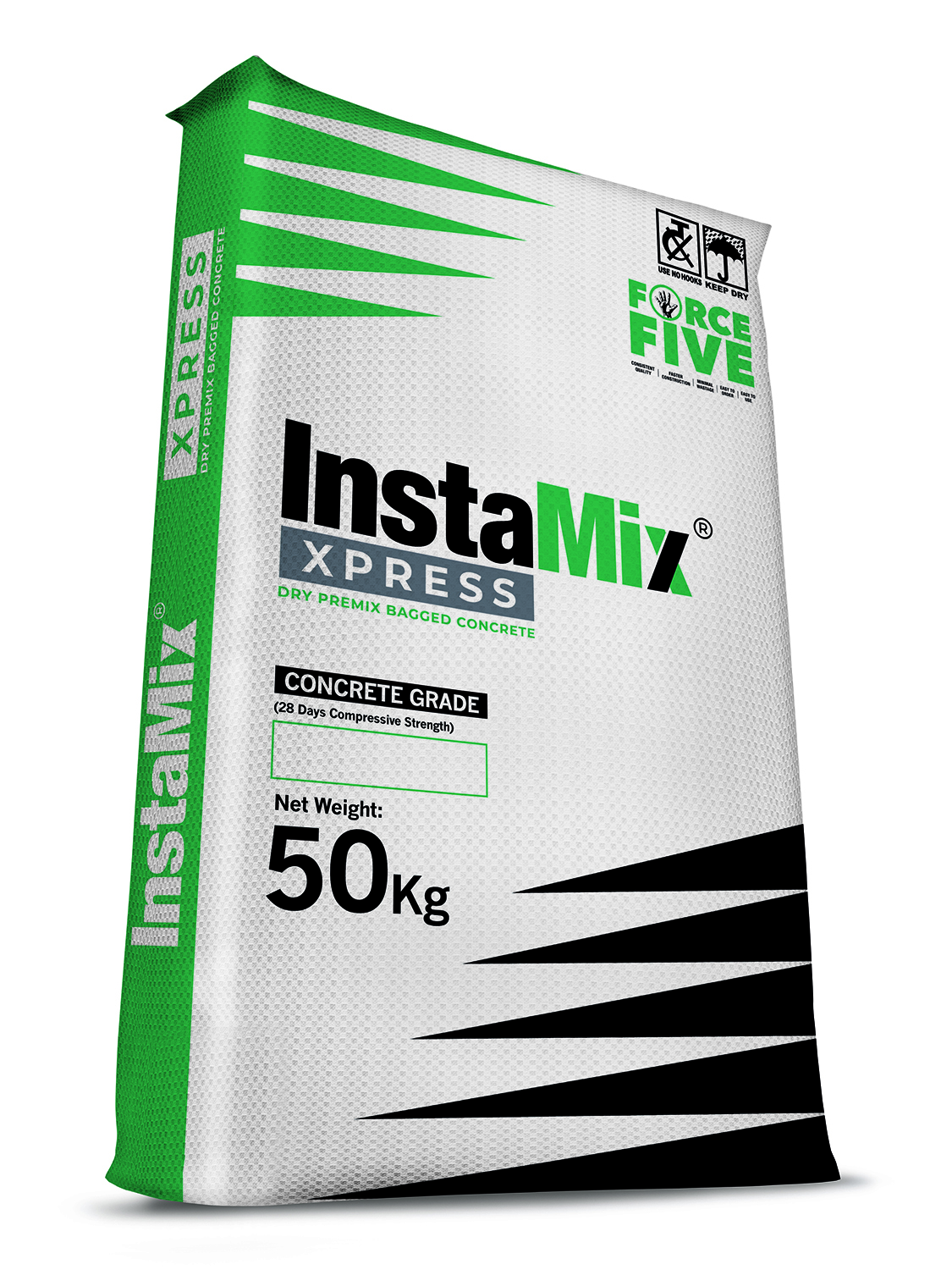
Manufacturing process of Instamix Xpress is different as compared to wet concrete

Nuvoco came in the light when it acquired L&T?? ready-mix concrete business in 2008. Since then it has established itself not only as a cement producer but a player with innovative construction materials. It has successfully transformed itself from cement manufacturer to a building material supplier with a wide range of products. Prashant Jha, Chief of Ready Mixed Business, Nuvoco, speaks on one of the innovations he has recently launched.

Prashant Jha
Explain the idea behind introducing a new product during the pandemic. What is the market size, and what kind of growth do you expect from this product?
Through our interactions with customers and market studies, we observed that the construction industry is facing challenges of manufacturing concrete at the site due to the non-availability of superior quality raw materials like cement, sand, and aggregates. In the current scenario, the majority of small concrete work is done by mixing cement, aggregates, and water at the site. Then there is the issue of wastage of raw materials.
Most of the sites are still using the volumetric batching method, which generally results in poor quality concrete at site. Further due to the pandemic situation, there is a shortage of labour, moreover getting labour to do small jobs is generally a problem. All these factors resulted in an increased demand for well-graded pre-mix bag concrete. Although there are no published records, we are estimating the all India market size is more than 10,000 tonne per month, and it would be growing at 15 per cent per annum.
What is the manufacturing process ??is it the same as wet concrete? What is the batch size?
InstaMix Xpress is a pre-blended mixture of cement, sand, and aggregates with special admixtures, requiring only the addition of water before pouring the concrete. It is produced in a controlled environment and is fast, easy-to-use, and ready-to-pour in just three steps ??open, mix, and pour.
One needs to do is open the bag in a pan or mechanical mixer as per the requirement; add four to five litres of potable water per bag and mix the concrete uniformly; and finally, pour the preparation without making a mess. The manufacturing process of Instamix Xpress is entirely different as compared to wet concrete. In InstaMix Xpress, we have to ensure that there is 0 per cent moisture at any stage of production till packaging of the product. It is available in 50 kg special moisture-proof sealed bags, which are tested for quality. Batch size depends on the transit mixer capacity, which varies from 500 kg to 2,000 kg.
Is there any shelf life for the product?
Yes, it is good for use till three months of production.
Is the product covered under any BIS code? OR is the code in the draft stage?
No at this stage it is not covered under any BIS codes; however drafting of code for dry concrete is under process.
What has been the response from the users?
Initially, we have launched InstaMix Xpress in East and Northeast markets and the response is very encouraging. Structural consultants and contractors prefer to use the M-30 and M-40 grade of concrete, which is not possible to produce at the site and ready-mix concrete is not available in remote areas. InstaMix Xpress is an ideal solution as it is a pre-mixed, ready-to-use, bagged, dry concrete, which can be easily transported to these far-flung areas. Looking at the response, we are planning to launch this product in Northern and Western India very soon.
Does any other cement manufacturer cater the consumers with a similar product?
Yes, a few cement manufacturers tried to produce at the local level ready-mix plants but they were not able to control the quality of the product.
To what extent the strength will be compromised if more water is used or if the product is used beyond stipulated period?
It all depends on how much excess water has been added or how long InstaMix Xpress has been stored beyond the three months shelf life. We recommend using four to five litres of water per 50 kg bag (depending on the grade of concrete). If the product is used beyond the stipulated period, [definitely] the compressive strength will reduce from 10 to 50 per cent.








Concrete
Cement Prices Likely to Rise Rs. 10-15 per Bag from Mid-October
Input costs and steady demand may drive cement price increases
Concrete
Nuvoco Marks 10 Years, Targets 35 MMTPA Capacity by FY28
Nuvoco celebrates a decade of growth, targeting 35 MMTPA cement capacity by FY28.
Concrete
J&K Government Notifies City Gas Distribution Policy
Policy targets PNG and CNG expansion across all 20 districts


Cement Prices Likely to Rise Rs. 10-15 per Bag from Mid-October

Nuvoco Marks 10 Years, Targets 35 MMTPA Capacity by FY28

J&K Government Notifies City Gas Distribution Policy

JSW Cement Commissions 1 MTPA Grinding Unit at Nagaur

JSW Cement Commissions 1 MTPA Unit in Rajasthan
Cement Prices Likely to Rise Rs. 10-15 per Bag from Mid-October
Nuvoco Marks 10 Years, Targets 35 MMTPA Capacity by FY28
J&K Government Notifies City Gas Distribution Policy
JSW Cement Commissions 1 MTPA Grinding Unit at Nagaur
JSW Cement Commissions 1 MTPA Unit in Rajasthan
-

 Concrete1 month ago
Telangana to Supply Subsidised Cement for Indiramma Houses
-

 Concrete3 weeks ago
JSW Cement Receives Rs. 2.3 bn GST Demand Notice
-

 Concrete2 weeks ago
Andhra Pradesh Clears Rs. 30 bn My Home Cement Plant
-
 Concrete1 month ago
Centre Defers Clearance for Limestone Mine Near Bustard Habitat