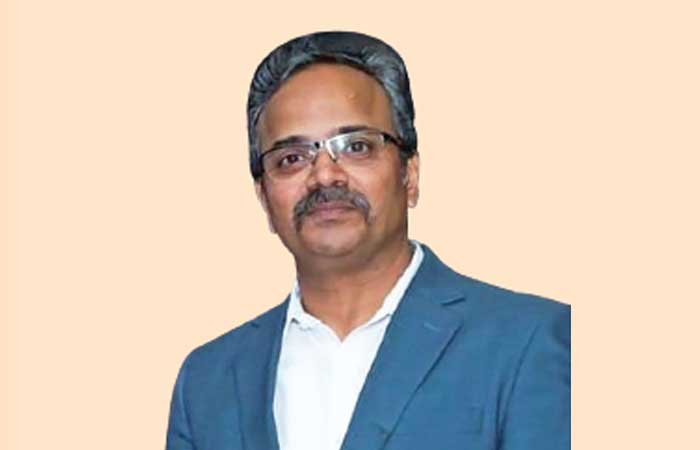
Raju Ramchandran, SVP Manufacturing (Cluster Head – Central), Nuvoco Vistas, discusses the company aims to reduce its carbon footprint and drive long-term environmental and operational improvements.
Can you provide an overview of your company’s current initiatives and strategies to enhance energy efficiency in cement production?
As a cement manufacturing company, managing energy consumption and emissions is crucial for achieving sustainable operations. At Nuvoco, significant measures have been taken to address this issue and leverage it as a competitive advantage. As part of its energy-efficient initiatives, Nuvoco is at the forefront of integrating green power and alternative fuels into its operations. This pivotal strategy significantly reduces Greenhouse Gas (GHG) emissions and underscores its dedication to sustainable practices. Additionally, by harnessing waste heat generated from manufacturing processes, Nuvoco converts it into clean energy, thereby reducing reliance on the grid and enhancing energy efficiency.
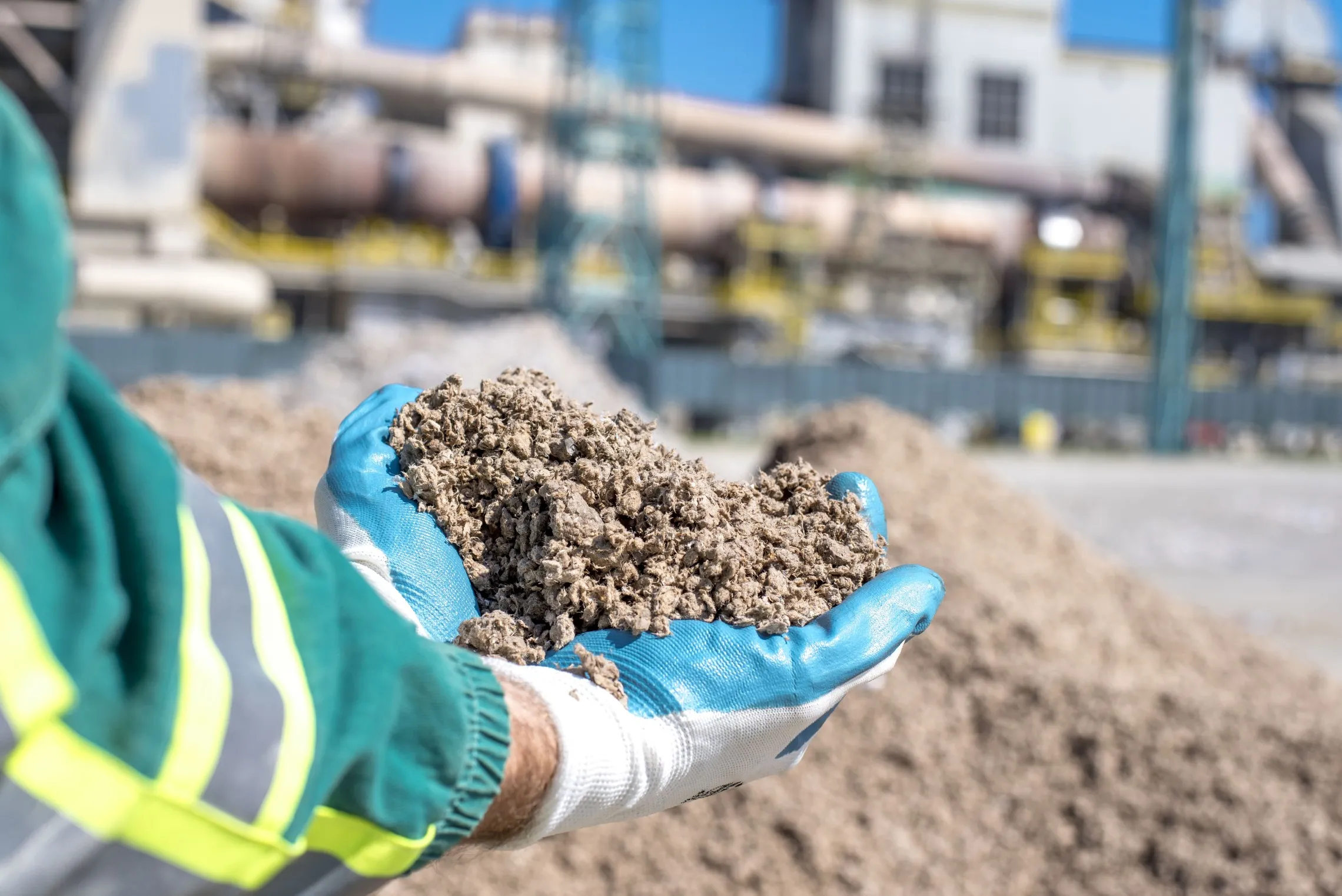
Furthermore, the company efficiently manages its power and fuel mix by incorporating alternative fuels into its operations. The manufacturing processes enable the use of waste materials from industries like steel and thermal power generation as alternative fuels. The company’s mix of alternative fuels includes solid waste, liquid solvents, biomass, refuse-derived fuels (RDF) from municipal solid waste, and other substances, with a focus on biomass. The company’s use of alternative fuels is a testament to its commitment to reducing its carbon footprint and supporting local areas by consuming waste, thereby making the city cleaner. The company has also implemented efficiency control measures by incorporating ‘Good Run Settings’ for kilns and mills and using an AI platform to strengthen Proportional Integral Derivative (PIDs).
How do advancements in technology contribute to improving energy efficiency in your cement plants? Can you provide some examples?
Nuvoco relies significantly on technological advances to improve energy efficiency. A key technology in this effort is the Waste Heat Recovery System (WHRS), which captures and utilises heat from clinker kilns to generate power, reducing dependence on fossil fuels.
This technology has been implemented across all the cement plants to reduce Specific Heat Consumption (SHC) and Specific Power Consumption (SPC) during clinker and cement manufacturing processes. The optimisation of power generation through WHRS contributes significantly in reducing environmental impact.
Additionally, Nuvoco has implemented an advanced system designed to utilise a wide range of waste materials, including agricultural waste, refuse-derived fuel (RDF), plastic waste, municipal waste, biomass, tyre chips, and other hazardous sources. This system integrates Alternative Fuel and Raw (AFR) feeding into the pyroprocess, ensuring uniform feeding and incorporating essential safety interlocks. By efficiently consuming alternative fuels, this initiative adheres to the environmental standards set by the Pollution Control Board of India.
Though the primary focus is on enhancing environmental sustainability, this project also significantly benefits clinker production and provides substantial cost savings through the alternative fuels programme.
What role does renewable energy play in your overall strategy for energy efficiency, and how is it integrated into your cement manufacturing operations?
Energy efficiency refers to using less energy while increasing the output of a manufacturing unit. As part of Nuvoco’s ESG agenda, the company focuses on reducing reliance on fossil fuels and minimising its environmental footprint through smart energy sourcing and in-house capabilities. Nuvoco’s cement manufacturing units are equipped with alternative fuel capabilities, supported by investments in alternative fuel material handling facilities. This enables the company to achieve optimal levels of Specific Heat Consumption (SHC) and Specific Power Consumption (SPC) in its clinkerisation and grinding units.
The company has made significant strides in renewable energy integration, with 1.5 MW solar power plants, 150 MW captive power plants, and 44.7 MW waste heat recovery systems (WHRS) in place.
Nuvoco has also made remarkable progress in its Alternative Fuel Rate (AFR) mix, which improved to 13 per cent in FY24, positioning the company among the industry’s leaders in this area. These initiatives collectively contribute to Nuvoco’s overarching strategy of energy efficiency and sustainability in cement manufacturing.
How do you measure and monitor energy efficiency in your cement manufacturing processes, and what metrics are most critical for your company?
Nuvoco has established a rigorous system for measuring and monitoring energy efficiency across its cement manufacturing processes. Key metrics are tracked using advanced monitoring systems to ensure both optimal performance and strict regulatory compliance.
One critical aspect of this monitoring involves the consistent tracking of air emissions from fuel combustion in cement production and power generation operations. This includes pollutants like oxides of sulphur (SOx), oxides of nitrogen (NOx) and particulate matter (PM). Nuvoco employs Continuous Emission Monitoring Systems (CEMS) to observe these emissions in real-time, ensuring adherence to environmental standards.
Additionally, the use of Smart Motor Control Centers (MCCs) and the latest technology energy managers helps to monitor energy consumption at the lowest possible levels. This enables better energy consumption analysis and optimisation of energy usage, leading to significant cost savings and improved efficiency.
Looking ahead, what are your company’s strategic priorities for further improving energy efficiency, and how do you plan to address future energy challenges in the cement industry?
Nuvoco is steadfast in its commitment to enhancing energy efficiency as a key driver of sustainable growth. Looking ahead, the company has outlined several strategic priorities to further advance its energy efficiency efforts and address future challenges in the cement industry. One of the core priorities is the continued integration of renewable energy sources into operations. Nuvoco plans to expand its solar energy capacity and optimise its existing Waste Heat Recovery Systems (WHRS) to reduce reliance on non-renewable power sources. The company is also focused on increasing the use of alternative fuels, such as refuse-derived fuel (RDF), biomass, and other waste materials, to further reduce its carbon footprint and promote a circular economy.
Innovation and technology will play a crucial role in achieving these goals. Nuvoco is investing in advanced energy management systems and digital technologies to monitor and optimise energy consumption across its plants. This includes the implementation of smart grids, predictive maintenance systems, and real-time energy monitoring tools
that enable more efficient operations and reduce energy waste.
In alignment with its commitment to sustainability, Nuvoco’s ‘Protect Our Planet’ (POP) agenda, launched in FY 2022-23, has progressed significantly, representing a major step forward. By integrating sustainability into every facet of operations and utilising a governance system with monthly performance tracking, the POP agenda focuses on key areas identified through materiality assessments. This strategic approach has led to the creation of sustainability roadmaps that target decarbonisation, water management, circular economy, biodiversity and waste reduction.
Through these initiatives, Nuvoco not only meets regulatory requirements but also contributes positively to environmental conservation, reinforcing its role as a leader in sustainable cement manufacturing.
Can you discuss any specific projects or upgrades your company has undertaken to reduce energy consumption and increase efficiency in your cement production facilities?
The cement industry is inherently energy and resource-intensive, and at Nuvoco, we are committed to leveraging cutting-edge technologies to reduce energy consumption and increase efficiency across our production facilities.
The adoption of Industry 4.0 principles has been pivotal in driving this transformation. We’ve integrated advanced technologies such as IoT, Artificial Intelligence (AI) and Advanced Process Control (APC) into our operations. These digital innovations, coupled with specialised robots and online equipment, have significantly enhanced the production processes, reduced environmental impact while increased energy efficiency.
– Kanika Mathur

















 Concrete1 month ago
 Concrete4 weeks ago
 Concrete3 weeks ago
 Concrete1 month ago